

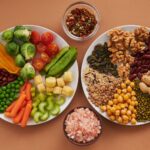



Fiber is a type of carbohydrate found mainly in plant foods. Unlike many other carbohydrates, the body does not fully digest it. In this article, we discuss why fiber is important for health and how simple food choices can help you get more of it. Fiber can support normal digestion, help you feel full, and contribute to a balanced diet. Fruits, vegetables, beans, whole grains, nuts, and seeds are useful sources that can fit into many everyday meals.

Why Fiber Is Important For A Healthy Daily Diet
Fiber comes in different forms, and each type can affect the body in different ways. Some fiber helps food move through the digestive system, while other types can slow digestion and help you feel full for longer. Eating a variety of plant foods can help you get different types of fiber.
Supports Healthy Digestion
Fiber can help support regular bowel movements. Insoluble fiber adds bulk to stool and can help food move through the digestive tract. Good sources include whole grains, vegetables, nuts, and seeds.
If you are increasing your fiber intake, do so gradually. Adding a large amount very quickly may cause bloating or discomfort. Give your body time to adjust.
Helps You Feel Full
High-fiber foods can help you feel satisfied after eating. Foods such as beans, oats, vegetables, and fruits can add volume to meals while providing important nutrients. Feeling full can make it easier to maintain regular eating patterns and avoid constant snacking.
Supports Heart Health
Some types of fiber can help support healthy cholesterol levels when included as part of a balanced eating pattern. Foods such as oats, beans, fruits, vegetables, and whole grains can provide useful fiber along with other nutrients.
A healthy diet works together with other habits such as regular physical activity and limiting foods that are high in saturated and trans fats.
Helps Support Healthy Blood Sugar Levels
Fiber can slow the digestion and absorption of carbohydrates. This may help reduce rapid changes in blood sugar after meals. Foods that naturally contain fiber, such as beans, vegetables, fruits, and whole grains, can be useful parts of balanced meals.
However, people with diabetes or other health conditions may have specific dietary needs. A qualified health professional can provide personalized advice.
Supports A Healthy Gut
Some types of fiber are used by beneficial bacteria in the gut. These bacteria can produce substances that support the health of the digestive system. Eating a variety of plant foods can help provide different types of fiber for the gut.
Best Food Sources Of Fiber
You can get fiber from many common foods. Try to include a mixture of sources throughout the week.
-
Beans and lentils.
-
Oats and whole grains.
-
Apples, oranges, berries, and other fruits.
-
Leafy greens and other vegetables.
-
Nuts and seeds.
-
Peas and other legumes.
-
Potatoes and sweet potatoes with their skins when suitable.
Whole foods are generally a useful way to increase fiber because they also provide vitamins, minerals, and other nutrients.
Increase Fiber Slowly
If your current diet contains little fiber, make changes gradually. Add one high-fiber food to a meal and increase the amount over time. This can help reduce digestive discomfort while your body adjusts.
For example, you can replace refined bread with whole-grain bread, add beans to a meal, or include fruit as a snack. Small changes can build a higher-fiber eating pattern without making your diet feel completely different.
Drink Enough Water
Fluids and fiber work together in the digestive system. Drinking enough water can help fiber move through the digestive tract. Your fluid needs depend on factors such as activity, weather, and overall health.
If you suddenly increase fiber without drinking enough fluids, you may experience constipation or discomfort. Increase both gradually and pay attention to how your body responds.
Choose Whole Foods More Often
Some processed foods contain added fiber, but whole plant foods offer a wider range of nutrients. Choose vegetables, fruits, legumes, whole grains, nuts, and seeds regularly. These foods can make meals more filling and nutritious.
You do not need to remove all refined foods from your diet. Instead, replace some lower-fiber choices with higher-fiber options when practical.
Make Fiber Part Of Every Meal
It can be easier to get enough fiber when you include a source at each meal. Add fruit to breakfast, beans or vegetables to lunch, and vegetables or whole grains to dinner. Nuts, seeds, fruit, or suitable vegetable snacks can also provide fiber between meals.
Conclusion
Fiber is important for health because it supports digestion, fullness, heart health, blood sugar control, and a healthy gut. You can increase your intake by eating more vegetables, fruits, beans, whole grains, nuts, and seeds. Make changes slowly and drink enough water as your fiber intake increases. A varied diet built around plant foods can help you get fiber while providing many other nutrients your body needs.


