




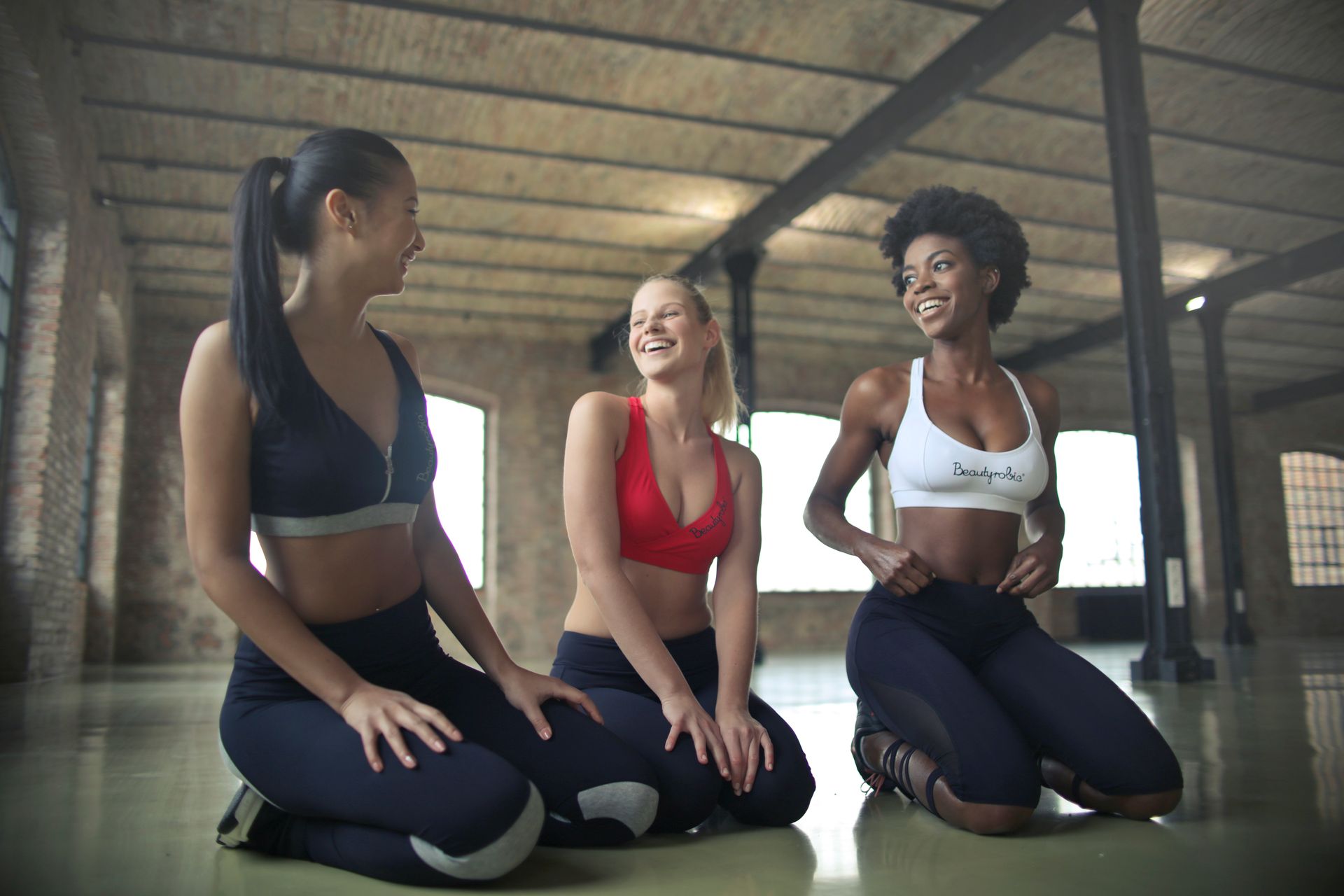
A workout routine should fit your body, goals, schedule, and fitness level. Following the same plan as someone else may not give you the results you want. In this article, we discuss ways to customize your workout routine so exercise feels more useful and manageable. Small changes to exercises, workout length, intensity, and recovery can make a routine better suited to your needs. The goal is to create a plan that you can follow consistently while making steady progress.
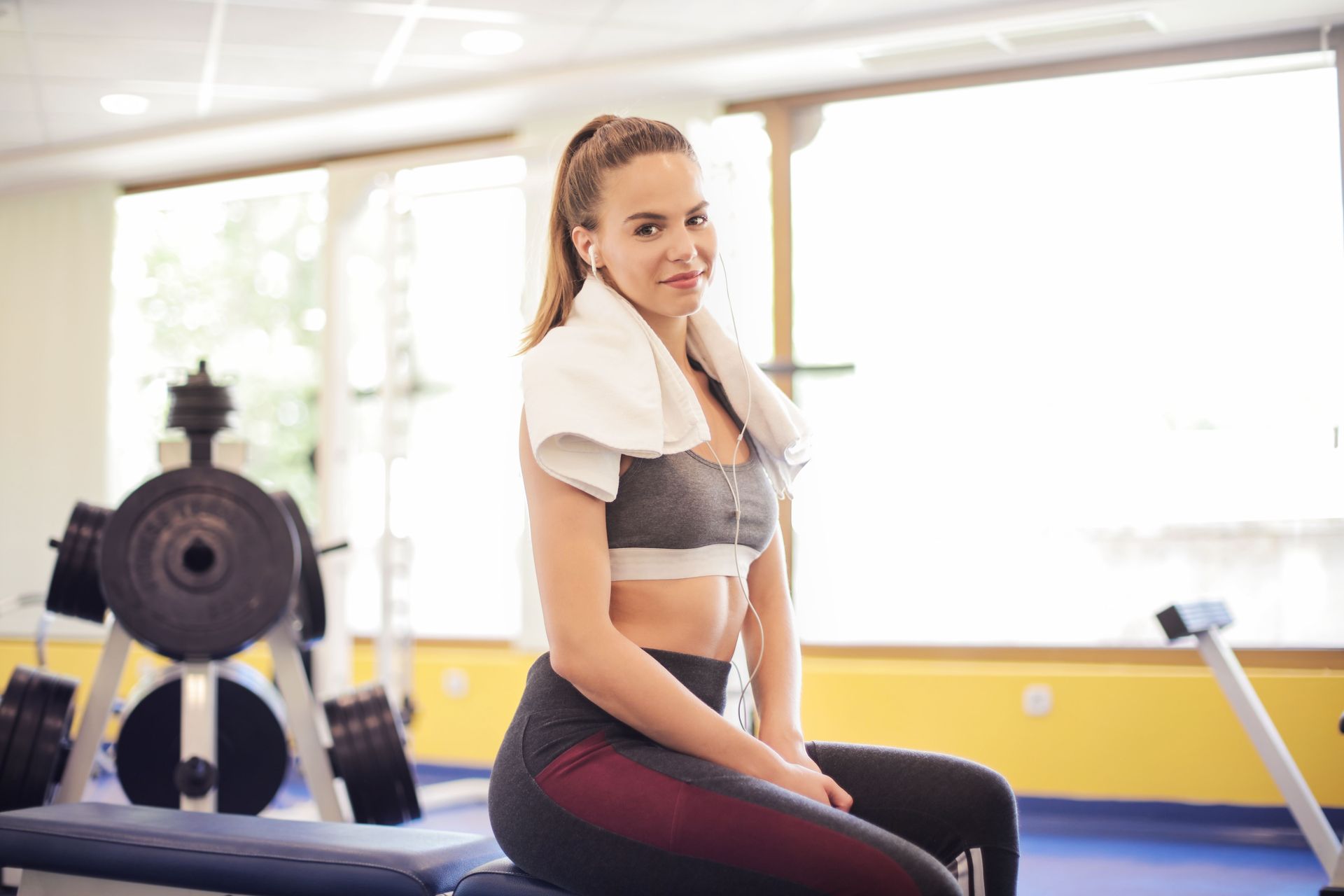
Simple Ways To Customize Your Workout Routine For Your Goals
Start by identifying what you want to achieve. Your goal may be to build strength, improve endurance, increase flexibility, support weight management, or simply become more active. Once you know your goal, you can choose exercises and a schedule that support it. A clear goal also makes it easier to track progress and decide when your routine needs to change.
Choose Exercises That Match Your Fitness Level
Your current fitness level should guide the exercises you choose. Beginners may benefit from simple movements that help build strength and coordination. More experienced people may need greater resistance or more challenging variations. Choose exercises that you can perform with good form and control rather than selecting movements that are too difficult.
Adjust Workout Intensity
Intensity can be changed in several ways. You can increase resistance, move faster, add repetitions, or reduce rest periods. However, you do not need to increase everything at once. Make gradual changes and give your body time to adjust. If a workout leaves you unusually exhausted, reduce the intensity and allow more recovery.
Consider Your Available Time
A workout does not need to last an hour to be useful. If you have only 20 or 30 minutes, focus on exercises that work several muscle groups or combine strength and cardio movements when appropriate. On days when you have more time, you can include additional exercises or spend more time on warm-ups and mobility.
Use Equipment You Have
Your routine should work with the equipment available to you. You can exercise with machines, free weights, resistance bands, or no equipment at all. Bodyweight exercises such as squats, lunges, push-ups, and planks can provide useful challenges without a gym.
If you have limited space, choose exercises that can be performed safely in the area you have. There is no need to buy expensive equipment before building a consistent routine.
Change Exercises When Needed
Doing the same exercises for a long time can become boring or stop challenging you. You can introduce new movements or different variations while keeping the same training goal. For example, you can replace regular squats with a different squat variation or change the type of cardio you perform.
Avoid changing everything at once. Keeping some familiar exercises makes it easier to track progress.
Balance Different Types Of Exercise
A well-rounded routine can include different forms of physical activity. Depending on your goals, you may combine strength training, aerobic exercise, flexibility work, and balance exercises.
For example:
-
Strength exercises can support muscle and bone health.
-
Aerobic activity can improve cardiovascular fitness.
-
Mobility exercises can support comfortable movement.
-
Balance exercises can improve stability and coordination.
-
Recovery activities can help your body prepare for future workouts.
The amount of each type should depend on your goals, experience, and schedule.
Plan Around Your Weekly Schedule
Your routine should fit your real life. Look at your week and identify the days when you have enough time and energy to exercise. You can schedule harder workouts on days when you are less busy and lighter activities on demanding days.
Consistency is more important than creating a perfect schedule that you cannot follow. Even short sessions can contribute to your overall activity when you perform them regularly.
Adjust For Recovery
Recovery is part of training. Your body needs time to repair and adapt after challenging exercise. Include rest days or easier sessions when needed.
Sleep, food, hydration, and stress can also affect how you feel during workouts. If you are constantly tired or your performance keeps getting worse, your routine may need more recovery time.
Track Your Progress
Keeping simple records can help you decide when to customize your routine. You can record the exercises you perform, the number of repetitions, resistance, workout duration, or how difficult the session feels.
Progress may appear as better form, greater endurance, improved strength, or easier movement. Use these changes to decide when you are ready for a small increase in difficulty.
Listen To Your Body
Your body can provide useful feedback. Muscle tiredness is normal during challenging exercise, but sharp pain, dizziness, chest discomfort, or unusual shortness of breath should not be ignored. Stop the activity and seek appropriate medical advice when necessary.
If you have an injury, medical condition, or other health concern, speak with a qualified health professional before making major changes to your exercise plan.
Review Your Routine Regularly
Your needs can change over time. Review your routine every few weeks and ask whether it still matches your goals, schedule, and fitness level. You may need to increase the challenge, change an exercise, or reduce the workload during a busy period.
A flexible routine can help you stay active through different stages of life.
Conclusion
Customizing your workout routine can make exercise more useful, comfortable, and sustainable. Choose exercises that match your fitness level, adjust intensity gradually, and consider your available time and equipment. Include different types of activity and give your body enough time to recover. Track your progress and make small changes when your needs change. A personalized routine does not need to be complicated. It simply needs to fit your goals and lifestyle.
