




Losing weight can be easier to manage when you focus on overall health instead of only the number on the scale. Maintaining muscle is important because muscle supports strength, movement, and daily activities. In this article, we discuss tips for maintaining muscle while losing weight through strength training, balanced meals, enough protein, proper recovery, and gradual progress. A steady approach can help you work toward your goals without making your routine too extreme.
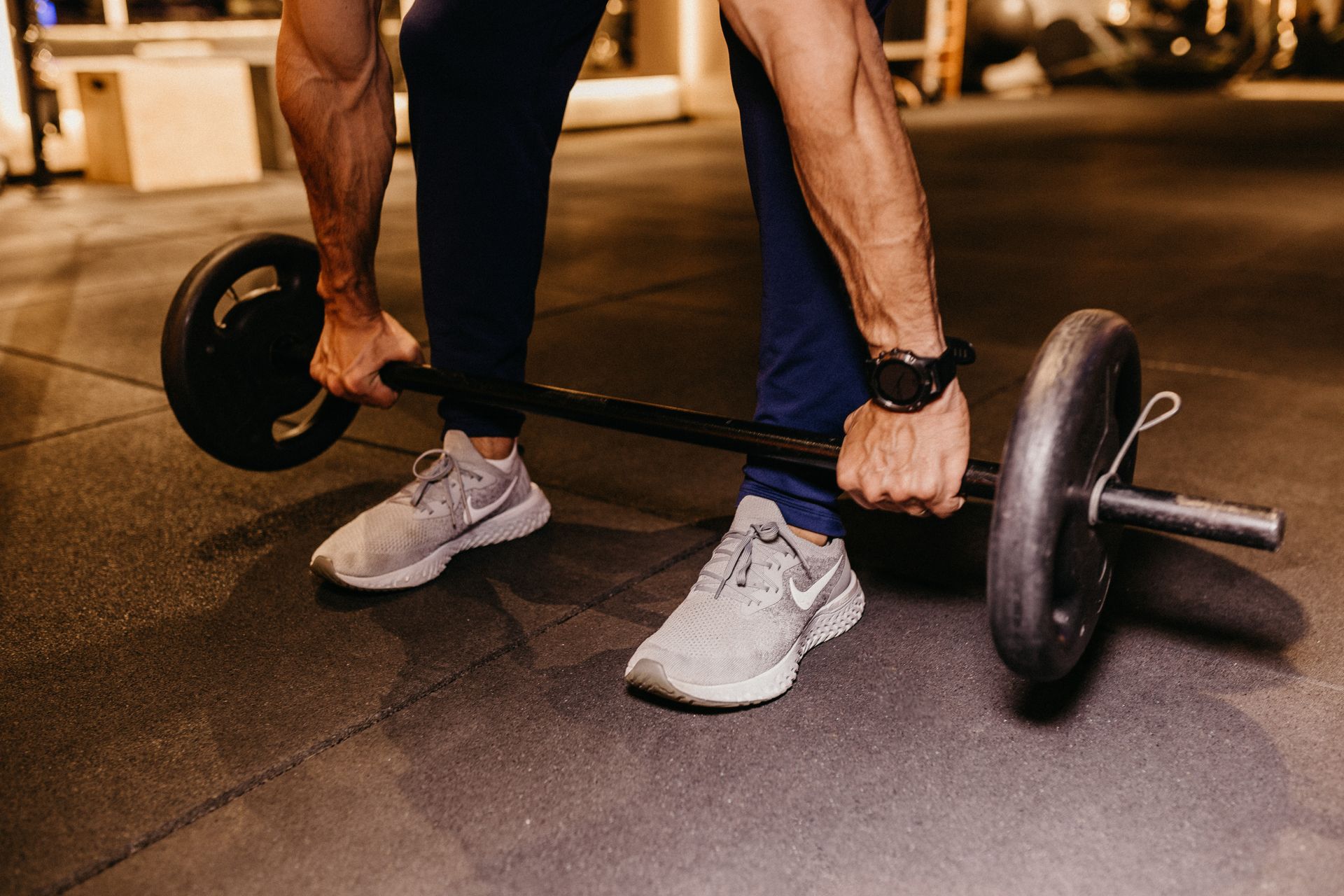
Tips For Maintaining Muscle While Losing Weight And Staying Strong
The main goal is to create healthy habits that support both fat loss and muscle maintenance. Avoid making large changes to your food intake or exercise routine too quickly. Instead, use a balanced approach that gives your body enough nutrition and recovery.
Include Strength Training
Strength training is one of the most useful ways to encourage your body to maintain muscle while losing weight. Exercises such as squats, lunges, rows, presses, and other resistance movements can challenge your muscles.
Train with resistance that allows you to use good form. You do not need to lift extremely heavy weights. Focus on regular training and gradually increase the challenge as your strength improves.
Eat Enough Protein
Protein provides nutrients that your body uses to support muscles. Include protein-rich foods in your meals, such as eggs, fish, chicken, lean meats, beans, lentils, yogurt, tofu, and other suitable options.
Try to spread protein across your meals instead of relying on one large serving. Your individual protein needs can vary, so consider speaking with a qualified health professional for personalized advice.
Avoid Extreme Food Restriction
Eating far too little can make it harder to maintain muscle and energy. Very strict diets may also be difficult to follow for a long time.
Focus on balanced meals that provide protein, vegetables, fruits, whole grains, and healthy fats. Make gradual changes instead of drastically reducing your food intake.
Lose Weight Gradually
Rapid changes in body weight are not always the best goal. A slower and more controlled approach can make it easier to maintain healthy habits and support your training.
Focus on consistent habits rather than trying to achieve the fastest possible result. Your progress may naturally change from week to week.
Keep Training Consistent
Regular resistance training gives your muscles a reason to stay active. Try to maintain a consistent schedule rather than exercising intensely for a short period and then stopping.
Your routine does not need to be complicated. A few well-chosen exercises that train different muscle groups can provide a strong foundation.
Include Cardio Carefully
Cardio can support heart health, endurance, and overall activity. Walking, cycling, swimming, and other activities can fit well into a weight management routine.
You do not need to perform long, intense cardio sessions every day. Balance cardio with strength training and allow enough recovery between demanding workouts.
Eat Balanced Meals
Muscles need more than protein. Your body also needs carbohydrates, fats, vitamins, minerals, and fluids to support normal functions and physical activity.
Build meals around a variety of nutritious foods. A balanced plate may include vegetables, a protein source, whole grains or other carbohydrates, and a suitable source of healthy fat.
Get Enough Sleep
Sleep gives your body time to rest and recover. Poor sleep can affect energy, exercise performance, and daily food choices.
Create a regular sleep schedule and give yourself enough time to rest each night. A comfortable and quiet sleeping environment can also support better rest.
Stay Hydrated
Fluids support many normal body functions and can help you stay prepared for exercise. Drink regularly throughout the day and pay attention to your needs during physical activity.
Your fluid requirements can change based on exercise, weather, and other factors. Avoid relying only on thirst during long or demanding activities.
Track Your Strength
Changes in strength can provide useful information about your progress. Record exercises, resistance, repetitions, and sets so you can see how your performance changes.
If you continue to maintain or improve your strength while following your weight management plan, that can be a positive sign that your training is working well.
Allow Enough Recovery
Muscles need time to recover after resistance training. Avoid training the same muscle groups intensely every day.
Include rest days or lighter sessions in your schedule. If you feel unusually tired or your exercise performance keeps falling, consider reducing your training load and allowing more recovery.
Avoid Common Mistakes
Some habits can make muscle maintenance harder during weight loss. Try to avoid:
-
Severe food restriction.
-
Skipping protein-rich foods.
-
Stopping strength training.
-
Doing excessive cardio.
-
Increasing exercise too quickly.
-
Getting too little sleep.
-
Ignoring ongoing fatigue or pain.
A balanced routine can be easier to maintain than an extreme plan.
Get Professional Support
Individual needs can vary based on age, body size, activity level, health conditions, and other factors. If you are unsure how much food or exercise you need, speak with a qualified health professional.
Professional guidance can help you create a plan that supports your health, fitness, and personal goals.
Conclusion
Maintaining muscle while losing weight requires a balanced approach. Include regular strength training, eat enough protein and other nutritious foods, avoid extreme restriction, and aim for gradual progress. Cardio can support overall fitness, while sleep, hydration, and recovery help your body handle training. Focus on maintaining your strength and building habits you can follow over time. A steady approach can help you work toward weight loss while supporting your muscles and overall fitness.

