




Regular exercise can support strength, fitness, mobility, and overall well-being. However, staying consistent can be difficult when work, family, stress, or other tasks fill your day. In this article, we discuss tips for improving exercise consistency and making physical activity easier to maintain. You do not need long workouts every day. Instead, focus on creating simple habits that fit your schedule and feel realistic. Small actions repeated over time can lead to meaningful progress.
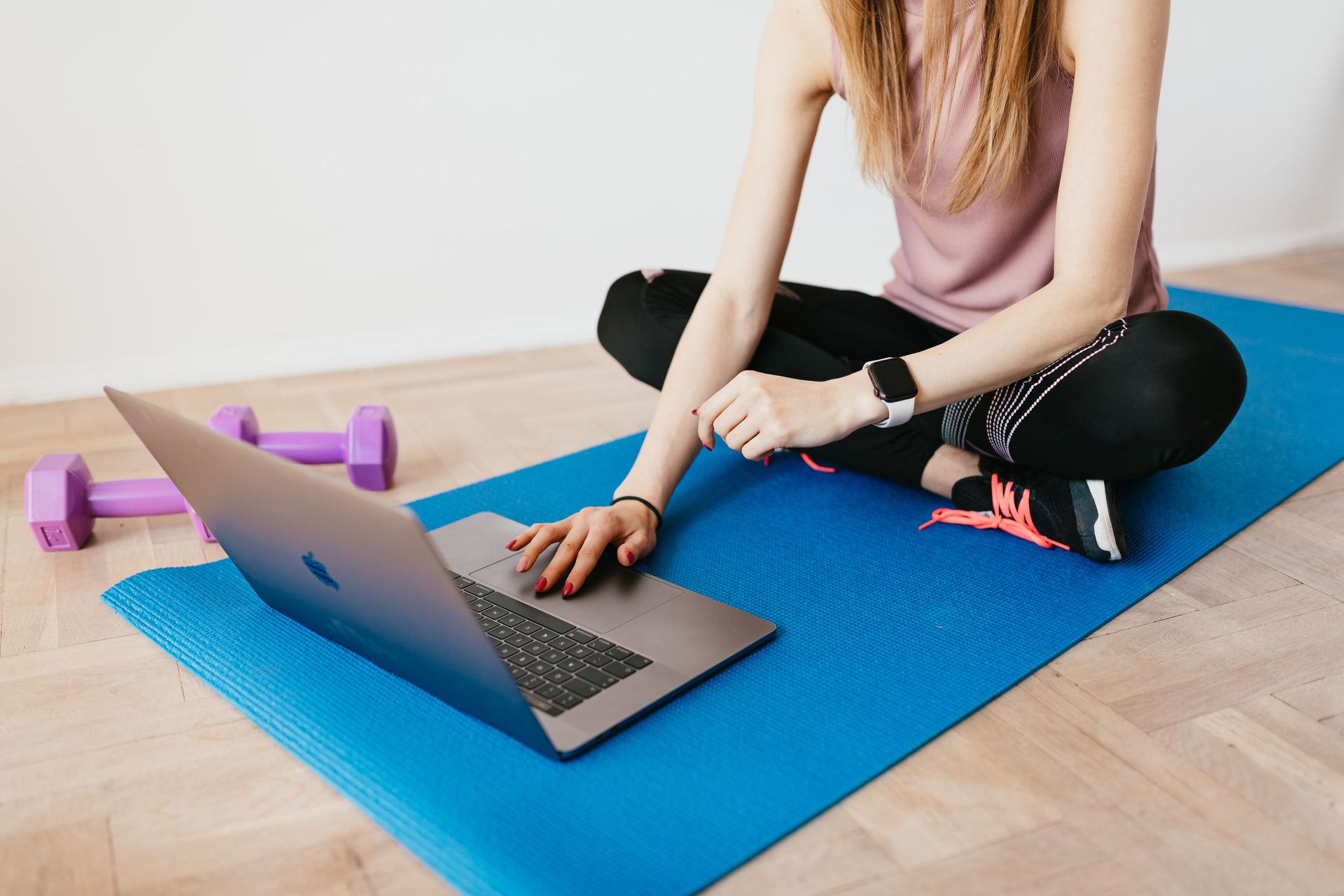
Simple Tips For Improving Exercise Consistency
The first step is to create a routine that works with your normal life. Think about when you have the most free time and choose exercise periods that you can repeat each week. A realistic schedule is easier to follow than a demanding plan that constantly conflicts with your responsibilities.
Start With Small Workouts
Starting with short workouts can make exercise feel less difficult. If you are new to regular activity, try exercising for 10 to 20 minutes and gradually increase the time as you become more comfortable. Short sessions can still help you build the habit of moving regularly.
Do not feel that every workout must be intense. A light walk, simple strength session, or mobility routine can still add useful movement to your day.
Set A Regular Schedule
Choose specific days and times for exercise. Treat these periods like other important appointments. Having a set schedule can reduce the need to decide when to exercise each day.
You can also connect exercise to an existing habit. For example, you might walk after breakfast or perform a short workout after finishing work. Linking exercise to a familiar activity can make the habit easier to remember.
Choose Activities You Enjoy
Exercise is easier to maintain when you enjoy what you are doing. Try walking, cycling, dancing, swimming, strength training, stretching, or another activity that interests you.
You do not need to follow one type of exercise forever. Try different activities and keep the ones that make you feel comfortable and motivated.
Prepare For Workouts In Advance
Preparation can remove common barriers. Put your workout clothes somewhere easy to see, prepare your equipment, or choose your exercise routine before the session begins.
If you exercise outside the home, pack what you need in advance. When everything is ready, starting the workout can feel much easier.
Set Simple Goals
Clear goals can give your routine direction. Instead of setting a goal that feels overwhelming, focus on an action you can control.
Useful goals include:
-
Completing three workouts each week.
-
Walking for 20 minutes on several days.
-
Performing a short strength routine twice a week.
-
Taking regular movement breaks during work.
-
Increasing workout time gradually.
Choose goals that match your current fitness level and daily schedule.
Track Your Progress
Tracking your workouts can help you see how often you exercise. Use a calendar, notebook, phone, or fitness app to record your activity.
You can track workout days, duration, distance, repetitions, or other simple measures. Seeing completed sessions can provide motivation and show how your habits are developing.
Do Not Depend Only On Motivation
Motivation can change from day to day. Instead of waiting until you feel excited to exercise, build routines that make starting easier.
On difficult days, reduce the workout instead of skipping it completely. A short session may be enough to maintain the habit. You can always return to longer or harder workouts when you have more energy.
Make Exercise Convenient
Convenience can have a major effect on consistency. If you prefer home workouts, keep your equipment nearby. If you enjoy walking, choose routes that are easy to reach.
You can also add movement to daily activities. Take short walks, use stairs when practical, or stand and move during breaks. These small choices can increase your overall activity.
Allow Rest And Recovery
Consistency does not mean exercising hard every day. Your body needs time to recover after demanding activity. Include rest days or easier sessions in your weekly plan.
Good sleep, balanced meals, and enough fluids can also support recovery. If you feel unusually tired or sore, reduce the intensity and give yourself more time to recover.
Deal With Missed Workouts
Missing one workout does not mean you have failed. Unexpected events can happen, and your schedule may change. Instead of giving up, return to your routine at the next suitable opportunity.
Avoid trying to make up for a missed session by doing an extremely hard workout. Simply continue with your normal plan and focus on the long term.
Make Your Routine More Enjoyable
You can make workouts more enjoyable by listening to music, exercising with a friend, exploring new walking routes, or trying new activities. A pleasant environment can make it easier to look forward to exercise.
You can also reward yourself with non-food rewards, such as new workout clothes, relaxing time, or another activity you enjoy.
Conclusion
Improving exercise consistency starts with making physical activity simple, realistic, and convenient. Begin with small workouts, create a regular schedule, choose activities you enjoy, and set goals that match your lifestyle. Track your progress and remember that missing an occasional workout does not erase your efforts. Give your body enough time to recover and focus on building a routine that you can maintain for months and years. Consistent small steps can help make exercise a lasting part of your life.
