

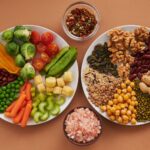


Vegetables provide fiber, vitamins, minerals, and other nutrients that support good health. However, it can be difficult to eat enough vegetables when you have a busy schedule. In this article, we discuss tips for eating more vegetables daily and simple ways to add them to meals. You do not need to change your entire diet at once. Small additions can make vegetables a regular part of breakfast, lunch, dinner, and snacks.

Simple Ways To Eat More Vegetables Every Day
The easiest approach is to make vegetables convenient and easy to add to foods you already enjoy. Choose different colors and types to keep your meals interesting. Fresh, frozen, and properly stored vegetables can all be useful choices. Start with small amounts and increase them as you become more comfortable with the change.
Add Vegetables To Breakfast
Breakfast does not have to be limited to sweet foods. You can add vegetables to eggs, omelets, sandwiches, or savory porridge. Tomatoes, spinach, onions, peppers, mushrooms, and other vegetables can add flavor and nutrients to a morning meal. If you prefer a quick breakfast, prepare chopped vegetables ahead of time so they are ready to use.
Add Vegetables To Main Meals
Adding vegetables to lunch and dinner is one of the easiest ways to increase your intake. Mix cooked vegetables into rice, pasta, noodles, beans, soups, or stews. You can also serve a simple vegetable side with your main meal. Try different combinations so you do not depend on the same vegetable every day.
Keep Ready-To-Eat Vegetables Available
Convenience can make healthy choices easier. Wash and cut suitable vegetables when you have time and store them safely. Carrot sticks, cucumber, bell peppers, and other crisp vegetables can make quick snacks. Keep them where you can easily see them in the refrigerator. When nutritious foods are ready to eat, you may be more likely to choose them.
Use Frozen Vegetables
Frozen vegetables can save preparation time. They are often easy to store and can be added directly to many cooked meals. Peas, mixed vegetables, spinach, and other frozen options can work well in soups, stews, rice dishes, and quick meals. Choose products without unnecessary added sauces or large amounts of salt when possible.
Make Soups And Stews
Soups and stews provide an easy way to combine several vegetables in one meal. You can use carrots, cabbage, tomatoes, onions, leafy greens, pumpkin, beans, or other suitable ingredients. Make a larger batch when convenient and store portions safely for later meals.
Add Vegetables To Snacks
Snacks can provide another chance to eat vegetables. Try sliced cucumber, carrots, tomatoes, or peppers with a suitable dip. You can also add vegetables to sandwiches or wraps. If you prefer fruit for snacks, keep vegetables available as another option rather than trying to change every habit at once.
Try New Vegetables
Eating the same vegetables repeatedly can become boring. Try a different vegetable when you shop or choose one that you have not prepared before. Experiment with roasting, steaming, grilling, boiling, or lightly sautéing vegetables. Different cooking methods can change their texture and flavor.
Make Vegetables More Flavorful
Some people avoid vegetables because they find them bland. Use herbs, spices, garlic, ginger, lemon, or other suitable seasonings to improve flavor. Roasting can bring out natural sweetness in some vegetables, while steaming can keep them light and fresh. Try different methods until you find preparations you enjoy.
Plan Vegetables When Shopping
A simple shopping plan can help you eat more vegetables. Before shopping, choose several vegetables for the coming days. Pick a mix of leafy greens, colorful vegetables, and options that can last longer. Buy amounts that you can use before they spoil. Frozen vegetables can help reduce waste when fresh produce is difficult to use quickly.
Set A Simple Daily Goal
A small goal can make your progress easier to track. For example, you could add a vegetable to lunch and dinner. Once this becomes normal, you can look for more opportunities during breakfast or snacks. Focus on steady improvement instead of trying to make a major change overnight.
Avoid Making It Complicated
You do not need special recipes or expensive ingredients. Add tomatoes to eggs, spinach to a sandwich, vegetables to rice, or greens to a stew. Simple changes can make a difference when you repeat them regularly. Choose vegetables that are affordable, available, and enjoyable for you.
Conclusion
Eating more vegetables daily can be simple when you make them convenient and include them in foods you already enjoy. Add vegetables to breakfast, main meals, soups, snacks, and quick dishes. Try different cooking methods and flavors to keep meals interesting. Plan your shopping and prepare some vegetables ahead of time when possible. Small changes repeated each day can help vegetables become a natural part of your eating routine.


