

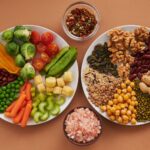



Eating at a restaurant does not mean you must give up healthy eating habits. With a few simple choices, you can enjoy your meal while keeping it balanced. In this article, we discuss tips for choosing healthy restaurant meals without making dining out stressful. Look for meals that include vegetables, a protein source, and a suitable carbohydrate. Also, pay attention to cooking methods, portions, sauces, and drinks.

Simple Tips For Choosing Healthy Restaurant Meals
Restaurant menus often offer many choices. Instead of choosing quickly, take a moment to look at the full menu. Think about what your body needs and choose a meal that includes a good mix of foods. You do not need to avoid your favorite foods. The goal is to make choices that support your overall eating pattern.
Start With Vegetables
Vegetables can add fiber, vitamins, minerals, and color to your meal. Look for salads, cooked vegetables, vegetable soups, or dishes that include several vegetables. If your main meal has few vegetables, ask whether you can add a vegetable side.
Be careful with creamy dressings and heavy sauces. Ask for dressing or sauce on the side when possible so you can control how much you use.
Choose A Protein Source
Protein can help make a meal satisfying. Good restaurant choices may include grilled fish, chicken, eggs, beans, lentils, or other suitable protein sources. Choose cooking methods such as grilling, baking, steaming, or roasting when available.
You do not need to choose the largest portion of meat. A moderate serving combined with vegetables and a suitable carbohydrate can make a balanced meal.
Pick Better Cooking Methods
The way food is prepared can affect its nutritional value. Fried foods may contain more fat and calories than foods that are grilled, baked, steamed, or roasted.
When the menu provides several preparation options, choose the one that best fits your needs. You can also ask whether a dish can be prepared with less oil or without an extra creamy sauce.
Watch Portion Sizes
Restaurant portions can sometimes be larger than what you normally eat at home. Eat slowly and stop when you feel comfortably satisfied. You can also share a large dish with someone or save part of it for another meal if safe storage is available.
You do not need to finish everything on your plate simply because it was served to you.
Choose Drinks Carefully
Drinks can add a large amount of sugar without making you feel full. Water is a simple choice with most meals. Unsweetened tea or other low-sugar options may also work well.
If you want a sweet drink, consider a smaller portion. Your overall eating pattern matters more than one occasional choice.
Be Careful With Sauces
Sauces, gravies, dressings, and creamy toppings can add extra calories, sodium, sugar, or fat. You do not have to avoid them completely. Ask for them separately when possible and use a suitable amount.
This simple change can give you more control over your meal without removing flavor.
Read The Menu Carefully
Menu descriptions can provide useful clues about how a dish is prepared. Words such as grilled, steamed, baked, or roasted can point to lighter cooking methods. Words such as deep-fried, creamy, battered, or heavily coated may indicate a richer dish.
However, menu descriptions are not always complete. Ask restaurant staff about ingredients or preparation when you need more information.
Make Simple Swaps
Small changes can improve a meal without making it boring. Ask for vegetables instead of fries, choose whole grains when available, or request a sauce on the side. You can also choose a smaller portion of a rich side and add a vegetable instead.
Useful swaps include:
-
Fried potatoes for a vegetable side.
-
Sugary drinks for water.
-
Creamy dressing for a lighter dressing.
-
Fried protein for grilled or baked protein.
-
Refined grains for whole grains when available.
-
Large portions for smaller or shared portions.
Do Not Feel Guilty About Occasional Treats
Healthy eating does not require perfection. You can enjoy dessert, fried foods, or another favorite meal occasionally. What matters is your overall eating pattern.
If you choose a richer meal, simply return to your usual balanced choices afterward. Avoid skipping meals or severely restricting food to compensate for one restaurant meal.
Plan Before You Go
If you know you will eat at a restaurant, you can think about your choices before arriving. Many restaurants publish menus online, which can give you time to compare options without feeling rushed.
Avoid arriving extremely hungry when possible. Eating regular meals during the day can make it easier to choose food calmly and avoid ordering more than you need.
Conclusion
Choosing healthy restaurant meals can be simple when you focus on balance rather than perfection. Include vegetables, choose a suitable protein, consider healthier cooking methods, and watch portions. Water and sauces on the side can also make a difference. Small swaps can help you enjoy restaurant food while supporting your usual eating habits. Most importantly, choose foods you enjoy and remember that one meal does not define your overall diet.


