




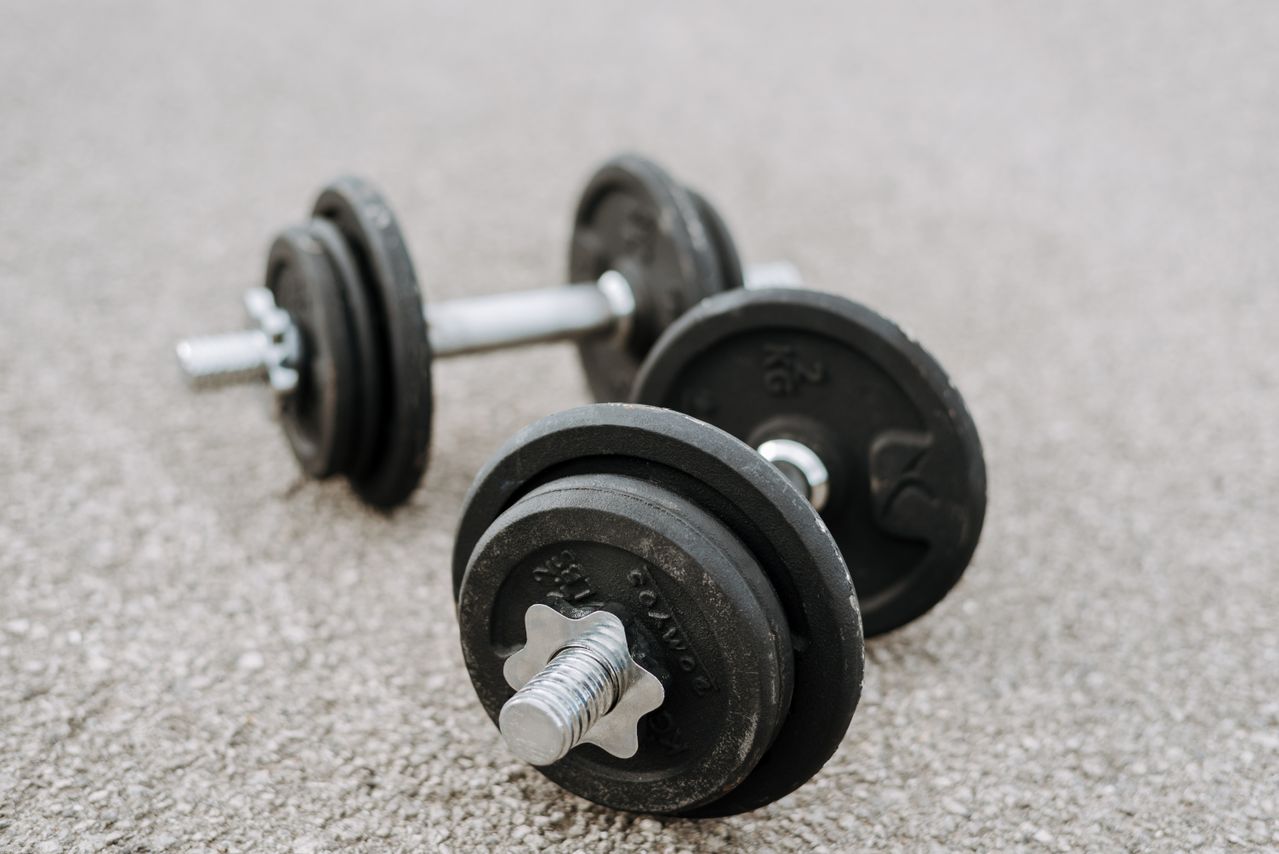
Strength and conditioning training combines exercises that improve muscular strength, endurance, power, mobility, and overall physical performance. Although athletes often use these workouts to enhance sports performance, beginners can also benefit from a well-designed strength and conditioning routine.
The key is to start with basic movements, learn proper technique, and increase the challenge gradually. You do not need complicated equipment or an advanced training program to build a strong foundation.
What Is Strength and Conditioning?
Strength training focuses on improving your muscles’ ability to produce force. It can involve bodyweight exercises, resistance bands, free weights, machines, or other forms of resistance.
Conditioning, meanwhile, focuses on your ability to sustain physical activity and recover from exercise. It can include cardiovascular training, circuits, intervals, and other activities that challenge your endurance.
When combined, strength and conditioning can create a balanced approach to fitness. You can develop stronger muscles while also improving your ability to move and exercise for longer periods.
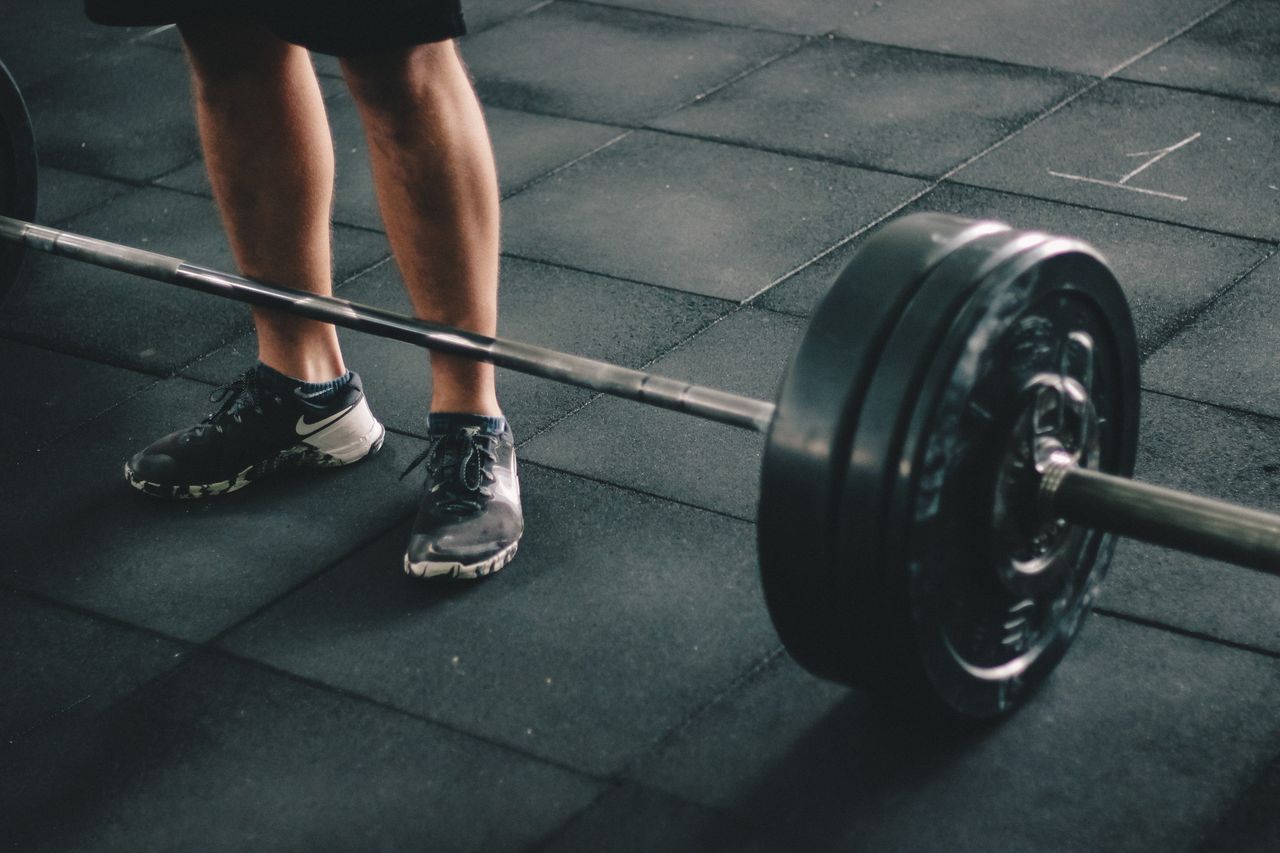
Start With Fundamental Movements
Beginners should first learn basic movement patterns. These movements provide the foundation for more advanced exercises and help you develop coordination and body control.
Important movement patterns include squatting, hinging, pushing, pulling, lunging, carrying, and rotating. Exercises such as squats, glute bridges, push-ups, rows, lunges, and planks can help you practice these patterns.
Start with bodyweight exercises or light resistance. Once you can perform each movement confidently, you can gradually increase the difficulty.
Include Strength Exercises
A strength and conditioning workout should include exercises that target the major muscle groups. You do not need dozens of movements to create an effective routine.
For example, a beginner full-body session might include:
-
Squats for the lower body
-
Push-ups for the chest, shoulders, and arms
-
Rows for the back
-
Glute bridges for the hips and glutes
-
Lunges for the legs and balance
-
Planks for core stability
Perform two or three sets of each exercise using a resistance level that allows you to maintain good form.
Add Cardiovascular Conditioning
Strength training alone does not provide all the benefits of conditioning. Include cardiovascular activities to improve your endurance and ability to sustain physical effort.
Walking, cycling, swimming, jogging, and rowing are useful options. Beginners can start with moderate sessions and gradually increase their duration or intensity.
You can also use circuit training to combine strength and conditioning. For example, perform several resistance exercises consecutively with short recovery periods.
Focus on Proper Technique
Good technique should always come before heavier weights or faster movements. Incorrect form can reduce the effectiveness of an exercise and place unnecessary stress on your body.
When learning a new movement, start slowly and focus on control. If you are unsure about your technique, consider working with a qualified fitness professional who can provide guidance.
As your technique improves, you can gradually increase resistance, repetitions, or exercise difficulty.
Use Progressive Overload
Your body adapts to exercise over time. Therefore, you need to gradually increase the training challenge to continue improving.
Progressive overload can involve adding resistance, performing more repetitions, increasing workout duration, or choosing a more challenging variation.
For example, you might begin with bodyweight squats and later progress to squats with resistance. However, make changes gradually and avoid increasing multiple training variables at once.
Develop Your Core
A strong core provides stability during many strength and conditioning exercises. Core training involves more than simply performing abdominal exercises.
Planks, bird dogs, dead bugs, and controlled carries can challenge the muscles responsible for stabilizing your torso.
Include a few core exercises in your weekly routine rather than trying to train your abdominal muscles intensely every day.
Include Mobility and Warm-Ups
Before your workout, spend several minutes preparing your body for movement. Start with light activity and then perform controlled movements related to the exercises you plan to complete.
Mobility work can also help you move comfortably through your exercises. Focus on areas that require movement for your chosen activities, such as the hips, shoulders, ankles, or upper back.
A warm-up should prepare you for training without leaving you tired before the main workout begins.
Prioritize Recovery
Training creates a stimulus, but recovery allows your body to adapt. Therefore, rest should be an important part of your strength and conditioning program.
Avoid performing demanding workouts every day, especially when you are new to exercise. Alternate challenging sessions with rest or lighter activities.
Adequate sleep, hydration, and balanced nutrition can also support recovery and help you perform better during future workouts.
Track Your Progress
Keeping a record of your workouts can help you understand how your fitness is developing. Record exercises, sets, repetitions, resistance, workout duration, and other useful information.
Over time, you may notice that you can lift more weight, perform more repetitions, exercise for longer, or complete movements with better technique.
These improvements can show that your strength and conditioning program is working, even if physical changes are not immediately noticeable.
Build a Sustainable Routine
The best strength and conditioning workout is one you can perform consistently. Beginners should avoid copying advanced programs that may place unnecessary demands on their bodies.
Start with two or three structured sessions per week and gradually increase your training as your fitness improves. Combine strength exercises with appropriate conditioning and recovery.
Ultimately, strength and conditioning workout basics come down to mastering fundamental movements, developing strength, improving endurance, progressing gradually, and recovering properly. With a consistent approach, these principles can help you build a stronger, fitter, and more capable body.
