




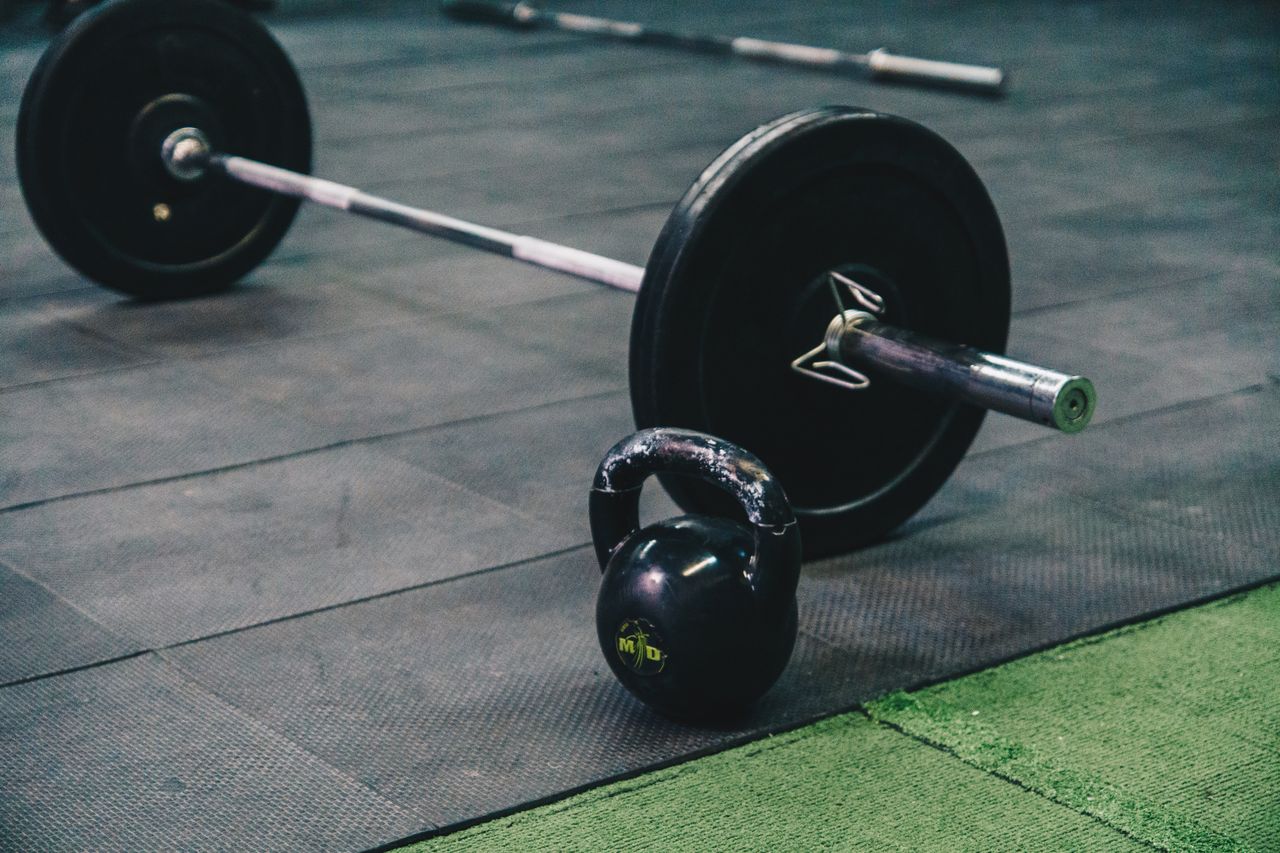
Working out regularly is important, but simply exercising more does not always produce better results. To make your workouts more effective, you need to train with purpose, use proper technique, and give your body enough time to recover. Whether you exercise at home or in a gym, small changes to your routine can make a significant difference.
Fortunately, you do not need complicated equipment or extremely long workouts. Instead, focus on consistency, gradual progression, and exercises that support your specific fitness goals.
Set Clear Workout Goals
Before changing your routine, decide what you want to accomplish. Your goal might be building muscle, improving strength, increasing endurance, losing body fat, or becoming more active.
Your goal should influence the way you train. For example, strength-focused workouts may emphasize resistance exercises, while endurance goals may require more cardiovascular activity.
Moreover, setting measurable goals allows you to track your progress. Instead of saying you want to “get fitter,” set a specific target, such as completing three workouts each week or gradually increasing the weight you can lift.
Follow a Structured Workout Plan
A structured workout plan can prevent you from wasting time and repeating exercises without purpose. Before each session, know which exercises you intend to perform, how many sets and repetitions you will complete, and how much rest you need.
A balanced workout should target the major areas of fitness. Depending on your goals, this may include strength training, cardiovascular exercise, mobility, and flexibility work.
However, keep your plan realistic. A simple routine that you follow consistently is usually more useful than an ambitious program that you abandon after a few weeks.
Focus on Proper Exercise Form
Good technique is essential for making your workouts more effective. Performing an exercise correctly helps you target the intended muscles and maintain better control.
Start with a resistance level that allows you to perform each repetition with good form. Avoid using momentum simply to move heavier weights.
If you are learning a new exercise, practice the movement with little or no resistance first. Once you understand the technique, gradually increase the challenge.
Use Progressive Overload
Your body adapts when you repeatedly expose it to the same level of exercise. Therefore, you need to gradually increase the challenge to continue progressing.
This approach is called progressive overload. You can apply it by increasing resistance, adding repetitions, performing additional sets, increasing workout duration, or choosing a more challenging exercise variation.
For example, if you can comfortably perform three sets of an exercise with excellent technique, you might gradually increase the resistance during future sessions.
Nevertheless, progress should be gradual. Increasing the difficulty too quickly can make recovery harder and may compromise your technique.

Reduce Unnecessary Rest
Rest between sets is important, but excessively long breaks can reduce workout efficiency, particularly during certain types of training.
Keep your rest periods appropriate for the exercise and your goals. More demanding strength exercises may require longer recovery between sets, while lighter exercises may require less.
During your rest periods, prepare for the next exercise, drink water, and recover your breathing. Then return to training when you are ready to perform the next set with good technique.
Include Both Strength and Cardio
A well-rounded fitness routine can combine resistance training with cardiovascular exercise. Strength training helps develop muscular strength, while cardio improves endurance and cardiovascular fitness.
You can combine them within the same workout or perform them on different days. For example, you might strength train three days per week and include walking, cycling, swimming, or another cardiovascular activity on other days.
The right balance depends on your goals, fitness level, and available time.
Make Your Workouts Challenging
An effective workout should provide an appropriate challenge. However, challenging yourself does not mean pushing yourself to exhaustion every time you exercise.
Instead, aim to finish your workout feeling that you worked hard while still maintaining control and proper technique. Over time, gradually increase the demands placed on your body.
You can also introduce variety by changing exercises, resistance, repetitions, or workout formats. This can keep training engaging while allowing you to continue developing different aspects of fitness.
Prioritize Recovery
Recovery is one of the most overlooked ways to make your workouts more effective. Your body needs time to repair and adapt after exercise.
Therefore, schedule rest days and avoid training the same muscle groups intensely without adequate recovery. Sleep, hydration, and balanced nutrition also contribute to your ability to recover.
If you regularly feel exhausted or notice that your performance is declining, consider reducing your training intensity or frequency.
Track Your Progress
Recording your workouts provides useful information about your progress. Write down your exercises, sets, repetitions, resistance, and other details that matter to you.
Over time, you can identify improvements and determine when it is appropriate to increase the difficulty.
Furthermore, progress is not always about lifting heavier weights. You may also notice better technique, greater endurance, improved mobility, or increased energy.
Stay Consistent
Finally, consistency is one of the most important factors in effective training. A perfect workout performed occasionally will not provide the same benefits as a sensible routine followed regularly.
Create a schedule that fits your lifestyle and choose activities you enjoy. If you miss a workout, simply return to your routine rather than giving up.
Ultimately, learning how to make your workouts more effective comes down to training with purpose. Set clear goals, use proper form, progressively increase the challenge, balance different types of exercise, and allow your body enough time to recover. With patience and consistency, these habits can help you get more from every workout and build lasting fitness.
