




Increasing resistance can help your muscles become stronger and improve your overall fitness. However, adding too much resistance too quickly can make exercise harder to control and may increase the chance of injury. In this article, we discuss how to increase training resistance gradually while keeping your workouts safe and manageable. The key is to start at a comfortable level, focus on good form, and make small changes as your body becomes stronger.
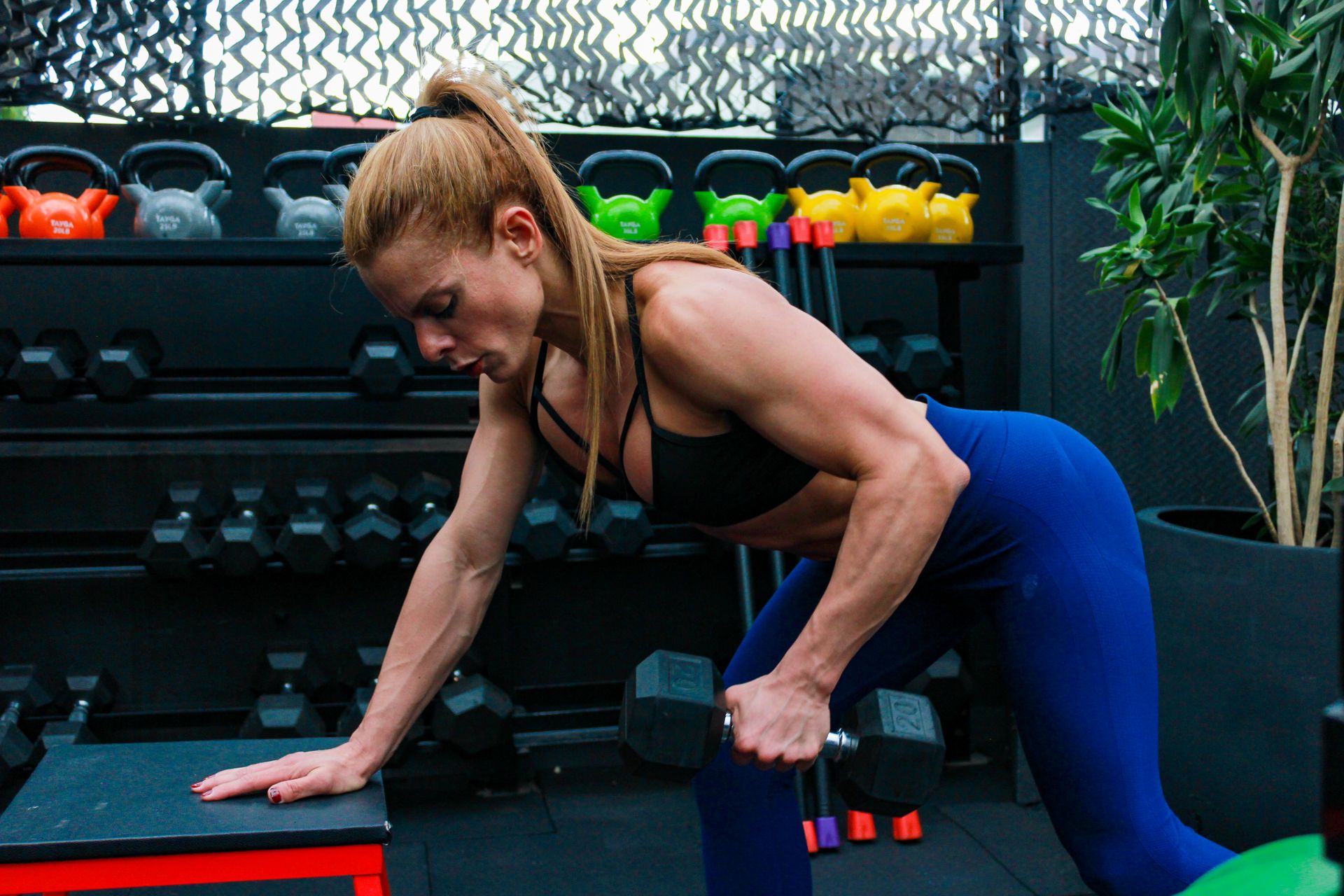
Simple Ways To Increase Training Resistance Gradually
Start with a resistance level that allows you to complete your exercises with good control. You should feel challenged without losing proper technique. Once the current resistance becomes easier, you can make a small increase. This gradual approach gives your muscles time to adjust to the new workload.
Master Your Form First
Good form should come before heavier resistance. Learn how to perform each exercise correctly with your current weight or resistance level. Keep your movements controlled and avoid using momentum to complete repetitions.
If your technique changes when you add resistance, the increase may be too large. Return to the previous level and build more strength before trying again.
Increase Weight In Small Steps
When an exercise becomes easier, add a small amount of weight rather than making a large jump. For example, you can move to the next available dumbbell or add a small amount of resistance to a machine or bar.
Small increases allow your body to adapt without making the exercise unnecessarily difficult. Give yourself time to become comfortable with the new resistance before increasing it again.
Add Repetitions First
You do not always need to add weight to make an exercise harder. You can first increase the number of controlled repetitions while keeping the same resistance.
For example, if you comfortably perform 8 repetitions, you may gradually work toward 10 or 12. Once the higher number becomes manageable with good form, you can consider a small increase in resistance.
Use Different Types Of Resistance
Resistance can come from many sources. Dumbbells, resistance bands, kettlebells, machines, and bodyweight exercises can all make movements more challenging.
Choose equipment that fits your goals and experience. If you use resistance bands, move to a slightly stronger band when the current level becomes too easy. With bodyweight exercises, you can progress by using a more challenging variation.
Adjust Workout Difficulty
You can increase difficulty without adding weight. Slowing down the movement, increasing the range of motion, or using a more challenging exercise variation can create a greater challenge.
Make only one change at a time. This makes it easier to understand how your body responds.
Track Your Progress
Keeping a simple record can help you know when to increase resistance. Write down the exercise, resistance, repetitions, and number of sets you complete.
Useful signs that you may be ready to progress include:
-
The current resistance feels easier.
-
You can complete all repetitions with good form.
-
You recover comfortably between sets.
-
You can control the entire movement.
-
You have maintained the same resistance for several sessions.
Use these signs together rather than increasing resistance simply because a certain amount of time has passed.
Do Not Increase Everything At Once
Avoid increasing weight, repetitions, sets, workout frequency, and intensity at the same time. Your body needs time to adjust to each change.
For example, you can increase repetitions first and keep the same number of sets. Later, you can add a small amount of resistance. This creates a steady progression without making the workout suddenly much harder.
Allow Enough Recovery
Your muscles need time to recover after resistance training. Include rest days or easier sessions, especially when you increase the workload.
Sleep, balanced meals, and enough fluids can support your body’s recovery. If you feel unusually tired or your performance decreases, give yourself more time to recover before increasing resistance again.
Avoid Comparing Your Progress
Everyone responds to training differently. The amount of resistance another person uses does not determine what you should use. Your goal should be to improve from your own starting point.
Focus on controlled movement, steady progress, and realistic increases. Even a small improvement can be useful when repeated consistently.
Listen To Your Body
Muscle fatigue can be normal during resistance training, but sharp pain is not something to ignore. Stop an exercise if you experience significant pain, dizziness, chest discomfort, or unusual shortness of breath.
If you have an injury, medical condition, or other health concern, speak with an appropriate health professional before making major changes to your exercise routine.
Conclusion
Learning how to increase training resistance gradually can help you build strength while keeping your workouts manageable. Start with good form and increase repetitions or resistance in small steps. Track your progress and avoid making several changes at once. Give your muscles enough time to recover and focus on your own progress instead of comparing yourself with others. A slow and consistent approach can help you become stronger while making your training easier to maintain.
