




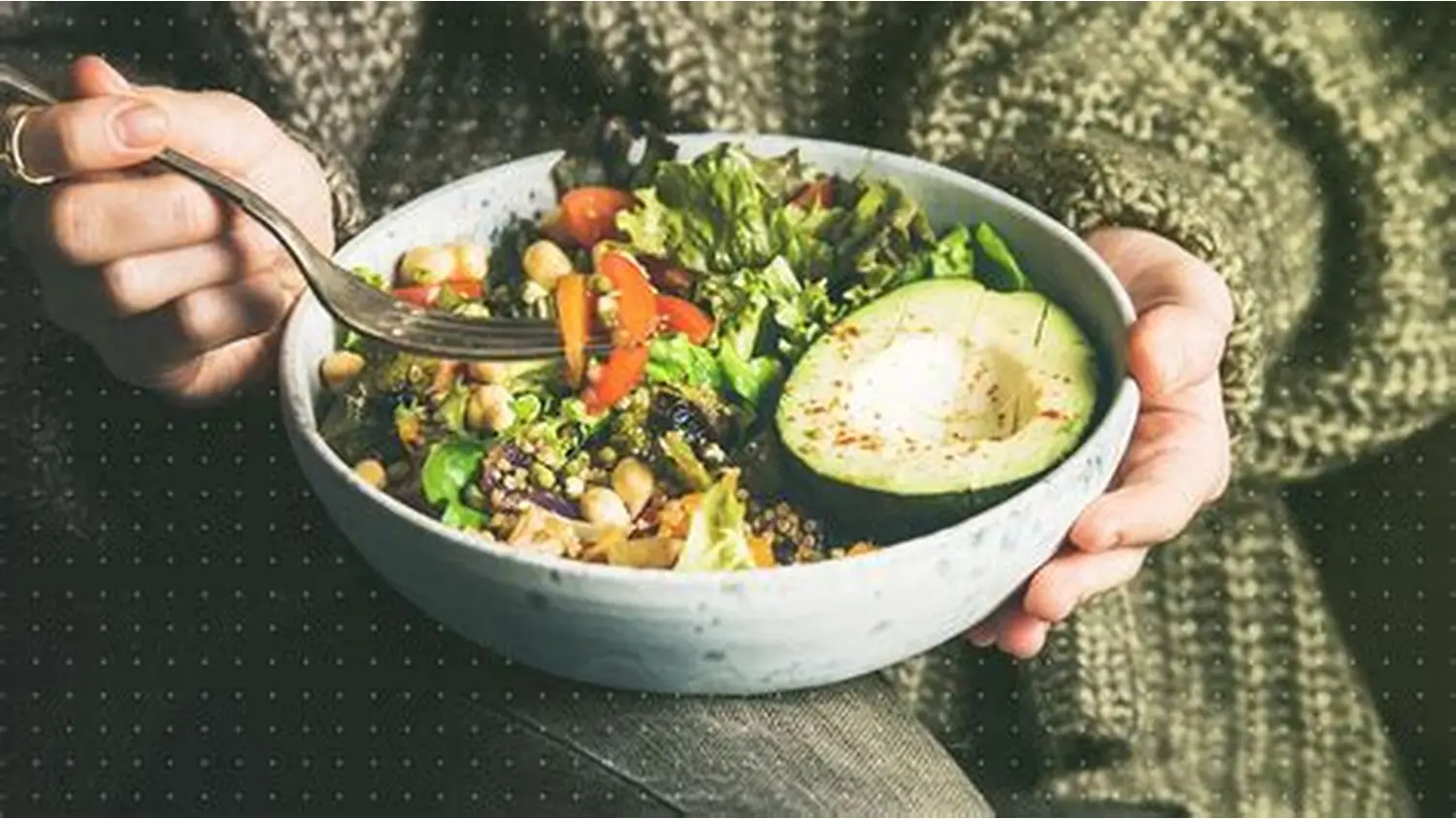
Healthy Eating Habits can make a meaningful difference in your energy, concentration, digestion, and overall well-being. However, improving the way you eat does not mean following a restrictive diet or completely changing your favorite meals. Instead, focus on making practical choices that you can repeat every day. By improving one habit at a time, you can create a balanced approach to food without making mealtimes stressful or complicated.
Start With Balanced Meals
A balanced meal gives your body a variety of nutrients and helps you stay satisfied. Rather than focusing on eliminating specific foods, aim to include different food groups throughout the day.
Try building meals around:
-
Vegetables and fruits for vitamins, minerals, and fiber.
-
Whole grains such as oats, brown rice, and whole-grain bread.
-
Protein sources such as beans, eggs, fish, poultry, nuts, or other suitable options.
-
Healthy sources of fats, including seeds, nuts, avocados, and plant-based oils.
-
Water or other suitable low-sugar beverages.
When you combine different foods, you can create meals that provide variety and flavor while supporting your nutritional needs. Furthermore, colorful ingredients can make meals more appealing and encourage you to experiment with new foods.
Improve Your Portion Awareness
Healthy eating is not only about what you eat but also about how much you eat. Portion needs vary from person to person, so avoid assuming that one serving size works for everyone.
Instead, learn to recognize your hunger and fullness signals. Eat slowly, pause during meals, and give yourself time to notice when you feel satisfied. Using smaller plates or serving food in the kitchen rather than placing large dishes directly on the table can also help you become more aware of portions.
Importantly, you do not need to measure every ingredient. Developing a better sense of appropriate portions can be more sustainable than constantly tracking every bite.
Make Fruits and Vegetables a Daily Priority
Adding more plant foods can make your meals more nutritious and interesting. If vegetables rarely appear on your plate, start with small changes rather than forcing yourself to eat large amounts immediately.
For example, add sliced fruit to breakfast, include vegetables in sandwiches, or mix leafy greens into a lunch or dinner dish. You can also keep convenient options available so that nutritious choices require less preparation.
Over time, these small additions can become part of your normal eating pattern. As a result, Healthy Eating Habits can feel less like a temporary challenge and more like a natural part of your lifestyle.
Choose Better Snacks
Snacking can either support your eating routine or leave you feeling unsatisfied. The key is to choose snacks that provide useful nutrients and fit your hunger.
Consider options such as:
-
Fresh fruit with nuts or seeds.
-
Plain yogurt with fruit.
-
Vegetable sticks with a suitable dip.
-
Whole-grain crackers with a protein-rich topping.
-
A boiled egg with fruit or vegetables.
You can also prepare snacks in advance. Keeping sensible options within easy reach makes it easier to avoid making food decisions when you are extremely hungry.
Pay Attention to Added Sugar and Highly Processed Foods
You do not need to completely avoid processed foods. Many processed foods can fit into a balanced diet. Nevertheless, eating large amounts of foods high in added sugar, excess sodium, or unhealthy fats may make it harder to maintain a nutritious overall pattern.
Start by reading food labels when available. Compare similar products and look for options that better match your nutritional goals. You can also reduce reliance on heavily processed snacks by preparing simple foods at home.
Small substitutions often work better than strict restrictions. For instance, gradually replacing sugary drinks with water or unsweetened alternatives can reduce your intake without dramatically changing your daily routine.
Stay Hydrated Throughout the Day
Hydration plays an important role in everyday health. Water is generally a simple choice, and drinking regularly throughout the day can help you maintain adequate fluid intake.
Keep a reusable bottle nearby at work, home, or while traveling. Additionally, drink water with meals and consider foods with high water content, such as fruits and vegetables.
Remember that hydration needs can differ based on factors such as activity level, climate, and individual circumstances. Therefore, pay attention to your body’s needs rather than following an identical routine to someone else.
Plan Your Meals Before Hunger Takes Over
Planning can make Healthy Eating Habits much easier to maintain. When you decide what to eat before becoming extremely hungry, you have more time to consider nutritious and convenient choices.
You do not need to create an elaborate weekly menu. Instead, plan several meals and keep versatile ingredients available. Cook larger portions when practical and use leftovers for another meal. This approach can save time while reducing the need for last-minute food choices.
Keep Your Kitchen Ready
Your environment can influence your decisions. Stock your kitchen with foods that make balanced meals easy to prepare. Wash fruits and vegetables when appropriate, organize ingredients clearly, and keep convenient nutritious snacks accessible.
At the same time, allow yourself flexibility. Food should provide enjoyment as well as nourishment, and occasional treats can fit into an overall balanced eating pattern.
Practice Mindful Eating
Mindful eating encourages you to pay attention to your food instead of eating automatically. Turn off distracting screens when possible, notice flavors and textures, and slow down enough to enjoy your meal.
This approach can help you understand your eating patterns. You may discover that you often eat because of boredom, stress, or habit rather than physical hunger. Recognizing these patterns gives you an opportunity to make more deliberate choices.
Build Progress One Meal at a Time
Improving your diet does not require perfection. Some days will include restaurant meals, celebrations, or foods that do not match your usual choices. That does not erase your progress.
Instead, focus on your overall pattern. If one meal feels less balanced, simply return to your usual approach at the next opportunity. Consistency matters more than perfection, and realistic changes are easier to maintain.
Ultimately, Healthy Eating Habits develop through repeated choices rather than sudden restrictions. Start by improving one meal, snack, or beverage at a time. As these decisions become familiar, you can gradually build a practical eating pattern that supports your energy, nourishment, and long-term well-being.


