




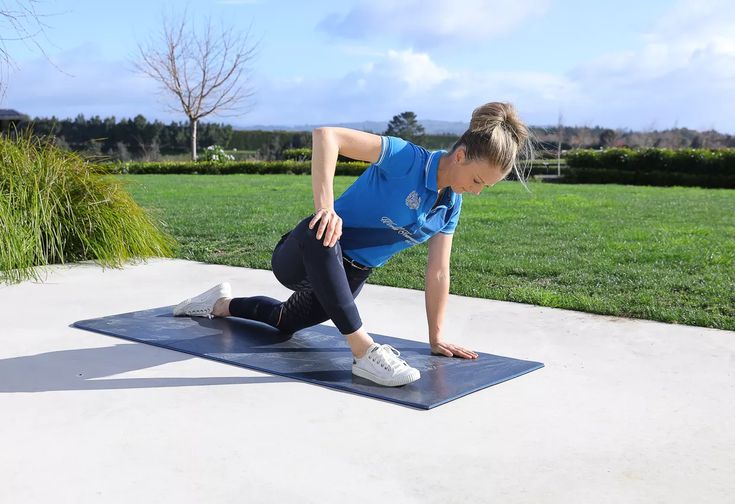
Improve Daily Mobility by making movement a regular part of your routine rather than something you only consider during exercise. Good mobility helps your joints move through comfortable ranges of motion, making everyday activities such as bending, reaching, walking, and climbing stairs easier. Fortunately, you do not need complicated equipment or lengthy training sessions to become more mobile. Instead, a few simple habits performed consistently can make a noticeable difference.
Why Daily Mobility Matters
Mobility affects how comfortably and efficiently you move throughout the day. When your body spends long periods in one position, certain areas may begin to feel stiff. For example, sitting at a desk for several hours can leave your hips, shoulders, and upper back feeling restricted.
Regular movement can help counteract this stiffness. Moreover, mobility exercises encourage controlled movement and body awareness. They can complement strength training, walking, recreational activities, and other forms of exercise.
Therefore, mobility should not be treated as something reserved for athletes. Everyone can benefit from maintaining comfortable movement as part of an active lifestyle.
Start With Simple Movement
You do not need to spend an hour stretching to get started. Instead, dedicate five to ten minutes to gentle movements that target several major areas of your body.
Focus on Major Joints
Build your routine around areas that commonly become stiff:
-
Neck and shoulders
-
Upper and lower back
-
Hips
-
Knees
-
Ankles
Move slowly and avoid forcing any position. Controlled movements are generally more useful than rushing through repetitions. If a movement causes sharp or unusual pain, stop and consider seeking professional guidance.
Add Dynamic Movements
Dynamic mobility exercises take your joints through a comfortable range of motion while your body remains active. Arm circles, hip rotations, gentle lunges, leg swings, and controlled torso rotations are simple examples.
Performing these movements before exercise can also help you prepare your body for activity. As a result, mobility work can become a natural part of both your warm-up and everyday routine.
Break Up Long Periods of Sitting
One of the easiest ways to Improve Daily Mobility is to avoid staying still for too long. Even a well-designed mobility routine cannot completely replace regular movement throughout the day.
If your work requires extended sitting, stand up periodically. Walk around the room, roll your shoulders, stretch your hips, or take a brief walk outside. These short movement breaks can help you feel less stiff and encourage better movement habits.
Additionally, consider changing your position throughout the day. Alternate between sitting, standing, and walking whenever your environment allows it.
Try a Simple Mobility Routine
A short routine can cover several important areas without taking much time.
Five-Minute Sequence
Start with gentle neck turns for about 30 seconds. Next, perform shoulder circles and arm swings. Follow those movements with controlled torso rotations.
Then, complete several hip circles before moving into gentle bodyweight lunges. Finish with ankle circles and slow calf raises.
The goal is not to push your flexibility to its limit. Instead, concentrate on smooth, controlled movement. Over time, consistent practice can make these motions feel more natural.
Connect Mobility With Everyday Habits
Another effective way to Improve Daily Mobility is to connect movement with activities you already perform. This approach reduces the need to find a separate block of time for exercise.
For instance, perform gentle stretches after waking up. During a work break, take a short walk instead of remaining at your desk. In the evening, spend several minutes moving your hips, shoulders, and spine through comfortable ranges.
By linking mobility with existing habits, you make movement easier to remember. Consequently, consistency becomes more achievable.
Strengthen Your Body Too
Mobility and strength work well together. Although mobility focuses on movement quality and range of motion, strength helps you control those positions.
Include basic strength exercises such as squats, glute bridges, rows, push-ups, and controlled lunges in your weekly routine. You can modify these exercises according to your experience and current fitness level.
Furthermore, strong muscles can help you feel more confident during everyday movements. Combining strength and mobility therefore creates a more balanced approach to physical fitness.
Listen to Your Body
Progress does not mean forcing your joints farther every day. Instead, pay attention to how your body responds to movement. Some days may feel easier than others, particularly after strenuous activity or long periods of inactivity.
When Improve Daily Mobility becomes your goal, patience is essential. Work within a comfortable range and increase your movements gradually. Consistency matters more than intensity.
If you experience persistent pain, swelling, numbness, or significant limitations in movement, consult an appropriate healthcare professional rather than attempting to correct the issue through stretching alone.

Make Mobility a Long-Term Habit
The best mobility routine is one you can maintain. You might begin with five minutes each morning and gradually add movement breaks throughout the day. Alternatively, you can incorporate mobility exercises into your existing workouts.
Remember that Improve Daily Mobility is not about achieving extreme flexibility. It is about helping your body move comfortably, confidently, and efficiently during normal activities.
Ultimately, Improve Daily Mobility by moving regularly, practicing controlled exercises, strengthening your muscles, and avoiding long periods of inactivity. Small efforts can become powerful habits when you repeat them consistently. Rather than waiting until stiffness becomes frustrating, start with a few minutes today and build a sustainable movement routine that supports your everyday life.


