





Regular physical activity can support better sleep and help your body follow a healthy daily rhythm. Exercise may also help reduce stress and improve your mood, which can make it easier to relax at night. In this article, we discuss how to improve sleep through exercise using simple activities that can fit into your daily routine. You do not need intense workouts to gain these benefits. Walking, stretching, cycling, and other moderate activities can be useful starting points.
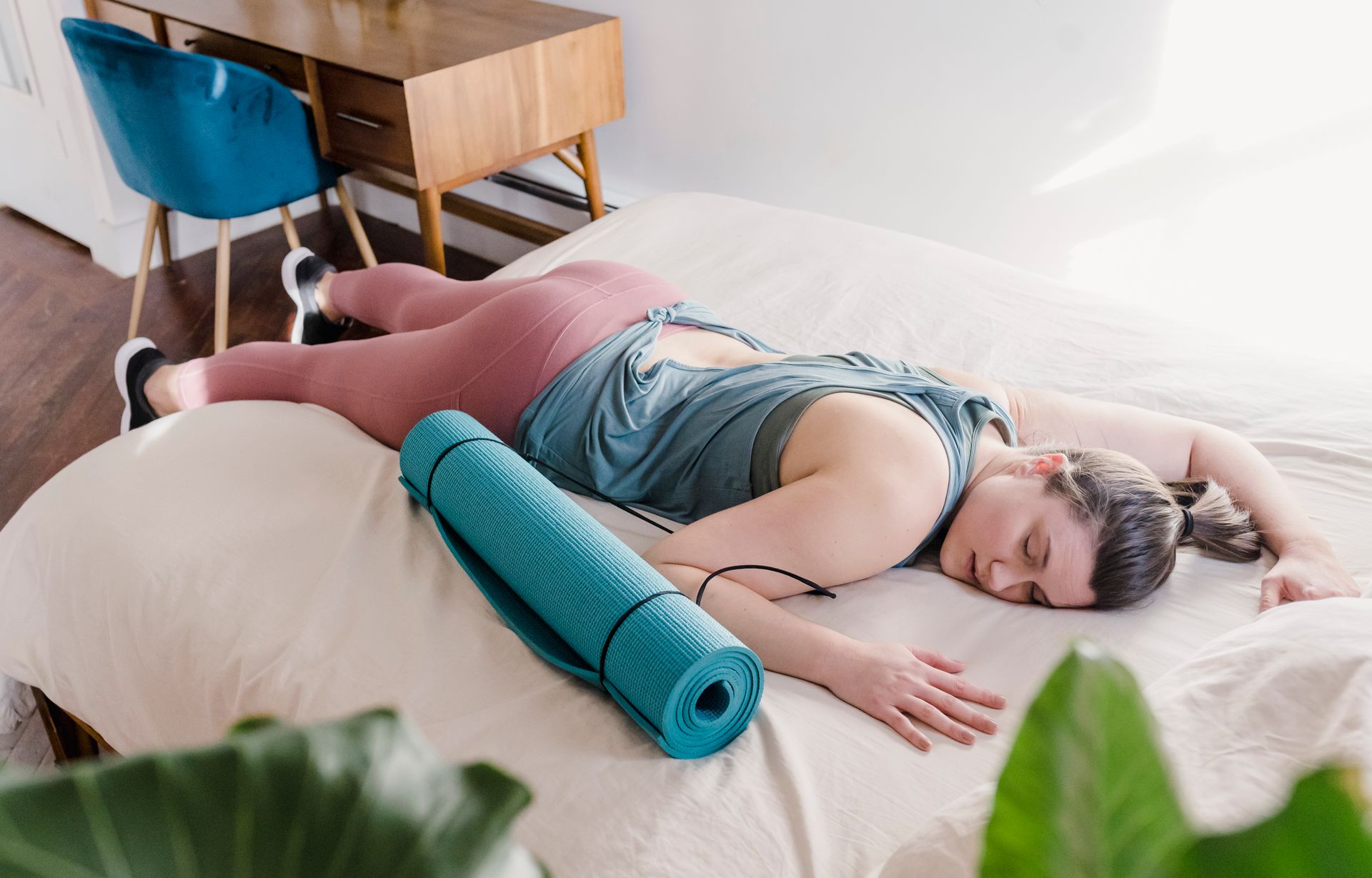
Simple Ways To Improve Sleep Through Exercise
Regular movement can help your body use energy during the day. It may also help you feel more ready for rest at night. The most important factor is consistency. Choose activities that you enjoy and can perform regularly rather than forcing yourself into a difficult workout plan.
Take A Daily Walk
Walking is a simple way to add movement to your day. A brisk walk can raise your heart rate without requiring special equipment. You can walk in the morning, during lunch, or later in the afternoon. If you have a busy schedule, several short walks can also add useful activity. Try to keep a regular walking routine so your body becomes accustomed to daily movement.
Try Moderate Cardio
Activities such as cycling, swimming, dancing, and brisk walking can support general fitness and may help with sleep. Start at a comfortable level and increase the effort gradually. You do not need to exercise until you feel exhausted. Moderate activity can provide movement without leaving you overly tired or uncomfortable.
Add Strength Exercises
Strength training can also be part of a healthy exercise routine. Bodyweight exercises such as squats, wall push-ups, lunges, and glute bridges can work several muscle groups without equipment. Perform strength workouts at a level that matches your fitness. Give your muscles enough time to recover between demanding sessions.
Use Gentle Evening Stretching
Gentle stretching can help you slow down before bed. Try simple movements for your shoulders, back, hips, and legs. Keep the stretches comfortable and avoid intense exercises close to bedtime if they make you feel more alert. Slow breathing during gentle stretching can also help create a calm transition toward your evening routine.
Exercise Earlier If Night Workouts Affect You
Some people can exercise in the evening without any problem. Others may feel more alert after intense activity. If a late workout makes it harder for you to fall asleep, move your exercise session earlier in the day. Experiment with different times and notice how your body responds. A consistent schedule that supports both exercise and sleep is usually more useful than forcing yourself to train at a specific time.
Create A Consistent Exercise Routine
Your body often responds well to regular schedules. Try to exercise around the same time on most days. This can make physical activity easier to maintain and give your day a clear structure. You can combine different activities throughout the week to keep your routine interesting.
A simple weekly plan might include:
-
Brisk walking on several days.
-
Strength exercises two or more days.
-
Gentle stretching when needed.
-
Light recreational activities you enjoy.
-
Rest or easier movement on recovery days.
Avoid Overtraining
More exercise does not always mean better sleep. Hard training without enough recovery can leave you tired, sore, or restless. Increase your activity gradually and include rest days. Pay attention to persistent fatigue or changes in your usual performance. If you regularly feel exhausted or have difficulty recovering, reduce your training and consider seeking professional advice.
Combine Exercise With Good Sleep Habits
Exercise is only one part of healthy sleep. Keep your bedroom comfortable and follow a regular bedtime when possible. Limit stimulating activities close to bedtime if they keep you awake. A calm evening routine can work well alongside regular daytime exercise.
Try to get natural daylight during the day as well. Spending time outdoors while walking or exercising can provide both movement and exposure to daylight, which may support a regular sleep-wake rhythm.
Listen To Your Body
Everyone responds to exercise differently. Start with activities that feel manageable and increase your effort slowly. If you experience chest pain, dizziness, severe shortness of breath, or other concerning symptoms during exercise, stop and seek appropriate medical attention. If sleep problems continue despite healthy habits, speak with a qualified health professional to identify possible causes.
Conclusion
Exercise can be a useful part of a healthy sleep routine. Walking, moderate cardio, strength exercises, and gentle stretching can support physical health while helping your body prepare for rest. Choose activities that you enjoy and perform them regularly. If intense evening workouts affect your sleep, try exercising earlier in the day. By combining regular movement with good sleep habits, you can create a routine that supports better rest and overall well-being.


