




You do not need a gym or expensive equipment to become fitter. Your body can provide enough resistance for many useful exercises. In this article, we discuss how to improve fitness without equipment using simple movements that you can do almost anywhere. Bodyweight exercises, walking, running, stretching, and balance work can improve strength, endurance, and movement. The most important step is to create a routine that you can follow regularly.
Simple Ways To Improve Fitness At Home Without Equipment
A good fitness routine should include different types of movement. Strength exercises build muscle. Cardio improves endurance. Stretching supports flexibility. Balance exercises help you control your body. Combining these activities can create a balanced routine without special tools.
Start With Bodyweight Exercises
Bodyweight exercises use your own weight as resistance. They can strengthen many parts of your body.
Try exercises such as:
-
Squats for your legs and hips.
-
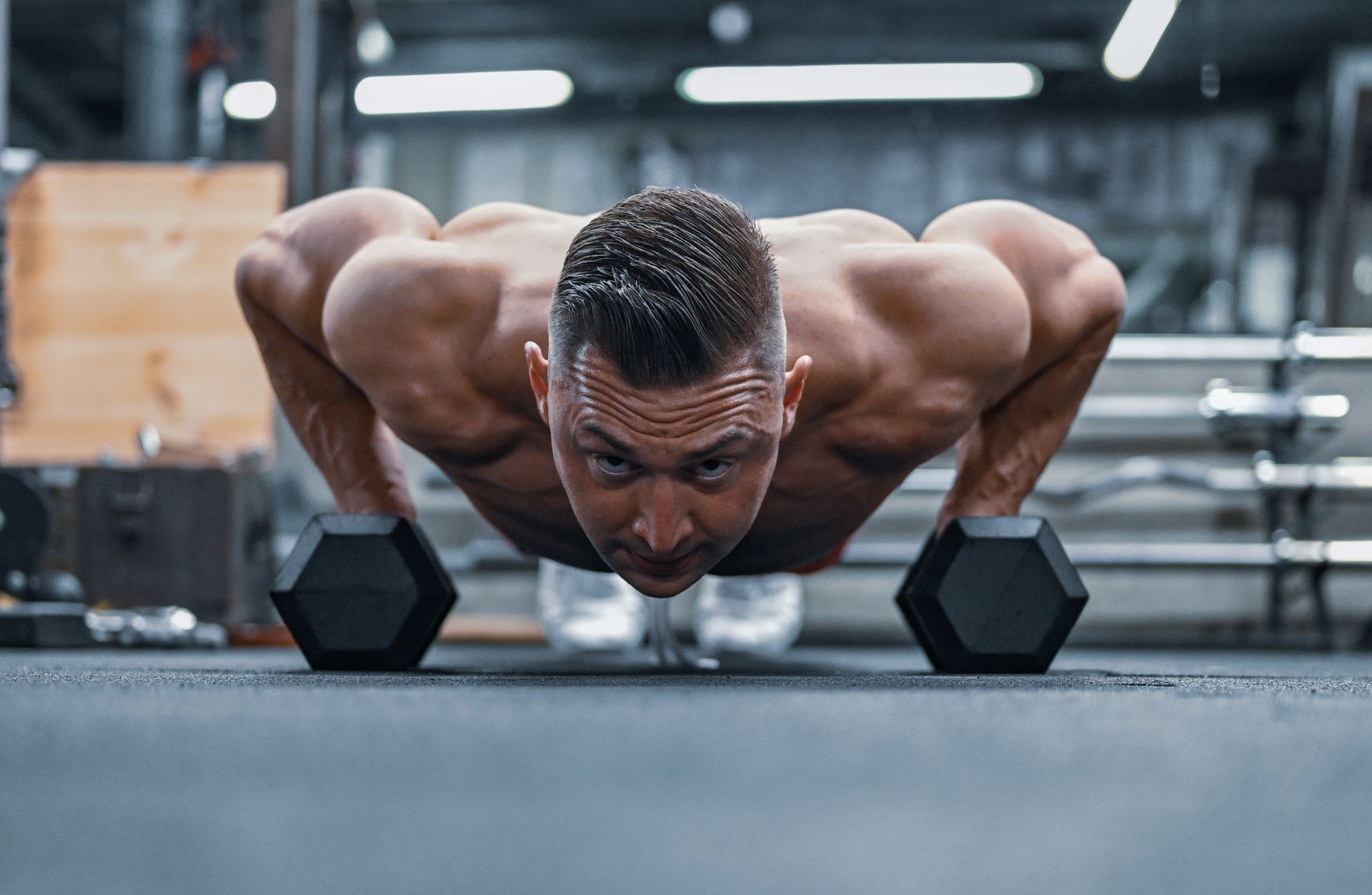
Push-ups for your chest, arms, and shoulders.
-
Lunges for your legs.
-
Glute bridges for your hips.
-
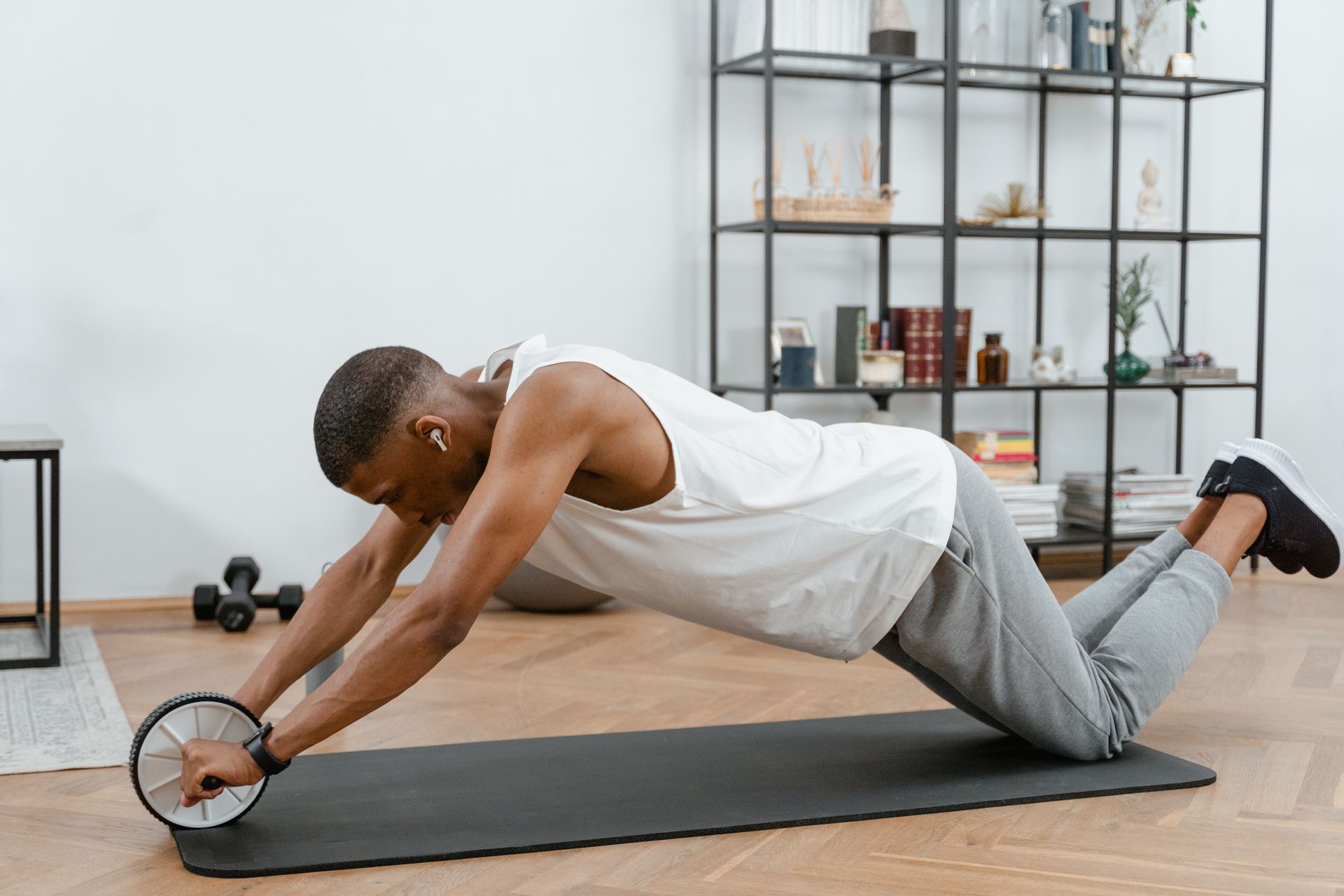
Planks for your core.
-
Calf raises for your lower legs.
Start with a small number of repetitions. Focus on controlled movements instead of rushing. As the exercises become easier, add more repetitions or another set.
Walk More During The Day
Walking is a simple way to improve fitness. You can walk outside, around your home, or during breaks at work. Start with a comfortable pace. Then, gradually increase your speed or walking time.
You can also add short periods of faster walking. For example, walk quickly for one minute and then return to a normal pace. Repeat this several times if it feels comfortable.
Try Short Cardio Workouts
Cardio does not require machines. You can march in place, jog gently, step from side to side, or dance to music.
A simple routine can include several movements for 30 seconds each. Rest between movements when needed. Over time, you can increase the active periods and reduce rest periods.
Build Strength Gradually
Your body needs time to adapt to exercise. Do not try to do too much at once. Begin with exercises that feel manageable.
For example, you can start with two sets of a few basic movements. After several sessions, add a few repetitions. Later, you can use harder versions of the same exercises.
This gradual approach can help you stay consistent and reduce the chance of doing too much too soon.
Improve Your Flexibility
Flexibility work can help you move more comfortably. Include gentle stretches after your workout or during another part of the day.
Focus on major areas such as your legs, hips, shoulders, and back. Move slowly and avoid forcing a stretch. You should feel gentle tension rather than sharp pain.
Practice Balance
Balance exercises are easy to include in a home routine. Stand on one leg while holding a stable surface nearby if needed. You can also practice slow heel-to-toe walking.
As your balance improves, you can make the movements slightly more challenging. Always choose a safe area without objects that could cause you to trip.
Create A Simple Weekly Routine
You do not need to exercise for hours each day. A balanced schedule can include different activities throughout the week.
For example:
-
Monday: Bodyweight strength exercises.
-
Tuesday: Brisk walking.
-
Wednesday: Light stretching and balance work.
-
Thursday: Bodyweight strength exercises.
-
Friday: Cardio movements.
-
Saturday: Longer walk or enjoyable outdoor activity.
-
Sunday: Rest or gentle movement.
Adjust the schedule based on your fitness level and daily routine.
Make Daily Movement A Habit
Small choices can add more activity to your day. Take the stairs when suitable. Walk short distances instead of driving when practical. Stand up and move around after sitting for long periods.
These small actions may seem simple, but they can add up over time. The goal is to move a normal part of your day.
Listen To Your Body
Exercise should challenge you without causing serious pain. Rest when you need to. Drink enough water and give your body time to recover.
If you have an injury, health condition, or concerns about starting a new exercise routine, speak with a qualified health professional first.
Conclusion
Improving fitness without equipment is possible with simple and regular movement. Bodyweight exercises can build strength, while walking and cardio can improve endurance. Stretching and balance work can support better movement. Start slowly, increase your effort over time, and choose activities you enjoy. With consistency, you can build a healthier and more active lifestyle without needing a gym or expensive equipment.


