





Fat loss does not need to involve strict diets or extreme exercise routines. A sustainable plan focuses on healthy habits that you can follow for a long time. In this article, we discuss how to create a sustainable fat loss plan using balanced meals, regular activity, proper sleep, and realistic goals. The best approach is one that fits your lifestyle and helps you make steady changes without feeling overwhelmed.
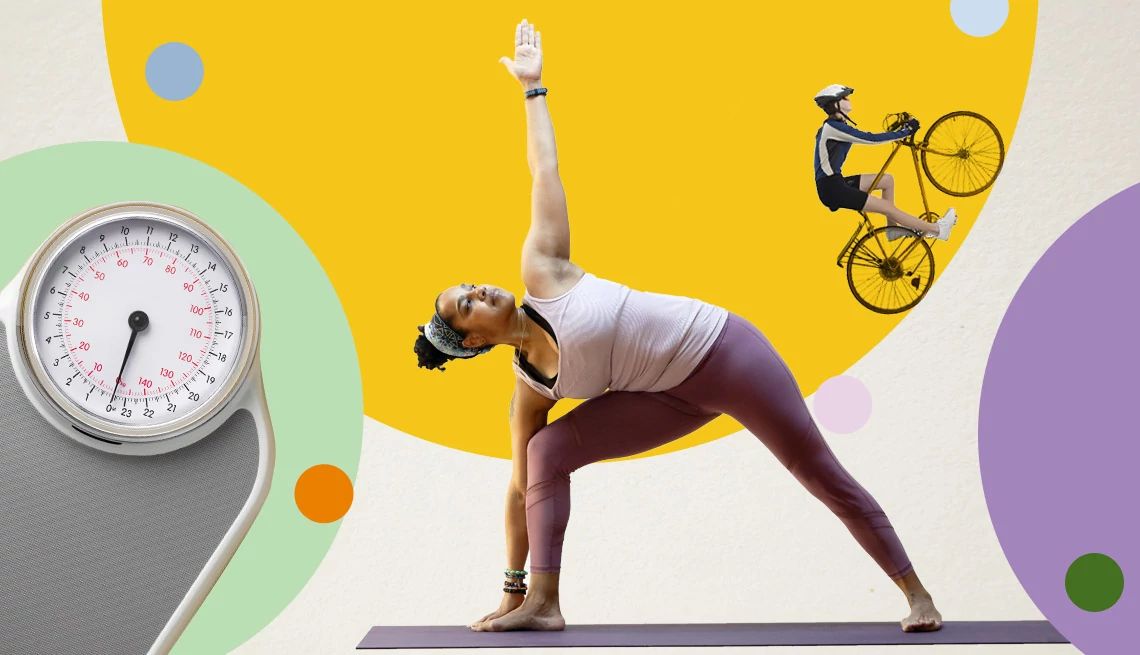
Simple Steps For A Sustainable Fat Loss Plan
Start by looking at your current habits. Consider what you usually eat, how often you exercise, how much you sleep, and how active you are during the day. This can help you identify small areas that you can improve. Avoid changing everything at once. Choose a few habits that feel realistic and build from there.
Set Realistic Goals
Clear goals can make your plan easier to follow. Instead of focusing only on a target weight, create goals related to daily habits. You might aim to eat more vegetables, walk regularly, prepare meals at home, or complete several workouts each week.
Small goals can help you stay focused and recognize progress along the way. Your plan should challenge you without becoming impossible to maintain.
Create Balanced Meals
Your meals should provide a variety of nutrients. Include vegetables, fruits, whole grains, protein sources, and healthy fats. These foods can help you create satisfying meals while supporting your overall health.
You do not need to completely remove foods that you enjoy. Instead, focus on portions, variety, and making nutritious foods a regular part of your meals.
Pay Attention To Portions
Portion size can influence how much food you consume. Large portions can make it easy to eat more than you need, even when the food is nutritious.
Eat slowly and pay attention to how full you feel. Use reasonable portions and adjust them based on your hunger, activity level, and individual needs.
Include Protein And Fiber
Protein and fiber can help make meals more satisfying. Include foods such as beans, eggs, fish, lean meats, yogurt, vegetables, fruits, and whole grains.
Adding these foods to meals can help create a balanced eating pattern. Try to include a source of protein and fiber in most meals when practical.
Increase Daily Activity
Exercise can support fat loss and improve fitness. However, you do not need to perform intense workouts every day. Walking, cycling, swimming, dancing, and other enjoyable activities can help you stay active.
Look for simple ways to move more during the day. Take short walking breaks, use stairs when suitable, or spend less time sitting for long periods.
Add Strength Training
Strength training can help you build and maintain muscle while improving physical fitness. Bodyweight exercises, resistance bands, dumbbells, and other forms of resistance can be useful.
Start with exercises that match your fitness level. Focus on proper form and gradually increase the challenge as your strength improves.
Include Cardio Exercise
Cardio activities can help you become more active and improve your endurance. Walking, jogging, cycling, swimming, and other aerobic activities can fit into a fat loss routine.
Choose activities you enjoy. You are more likely to stay consistent with exercise when it feels manageable and enjoyable.
Get Enough Sleep
Sleep is an important part of a healthy lifestyle. Poor sleep can affect energy, mood, and daily habits. Try to maintain a regular sleep schedule and create a relaxing bedtime routine.
A comfortable sleeping environment can also make it easier to get quality rest. Give your body enough time to recover after exercise and during busy periods.
Manage Stress
Stress can affect eating habits and make healthy routines harder to maintain. Find simple ways to manage stress, such as walking, reading, relaxing, spending time with friends, or practicing slow breathing.
Your goal is not to remove every source of stress. Instead, develop healthy ways to respond when stressful situations occur.
Track Your Progress
Tracking can help you understand what is working. You can record your meals, workouts, daily steps, sleep, or other habits.
Consider more than changes on the scale. Improvements in energy, fitness, strength, clothing fit, and daily habits can also show progress.
Make Your Plan Flexible
A sustainable plan should allow room for real life. Social events, holidays, busy days, and unexpected changes will happen. One meal or missed workout does not ruin your progress.
If you have an off day, return to your normal routine at the next opportunity. Avoid trying to compensate with extreme dieting or excessive exercise.
Avoid Extreme Methods
Very restrictive diets and excessive exercise can be difficult to maintain. They may also make your routine stressful and unsustainable.
Focus on gradual changes instead. A steady approach gives you more time to build habits that can remain part of your lifestyle.
Seek Professional Support
Everyone has different needs. Health conditions, medications, activity levels, and other factors can affect weight management. If you have a medical condition, take medication, or are unsure how to create a suitable plan, speak with a qualified health professional.
Professional support can help you choose a safe and realistic approach based on your individual needs.
Conclusion
Learning how to create a sustainable fat loss plan starts with realistic goals and simple habits. Build balanced meals, control portions, increase daily activity, include strength and cardio exercise, and give your body enough sleep and recovery. Manage stress and allow flexibility when life becomes busy. Most importantly, focus on habits you can maintain over time rather than quick results. A steady approach can help you build a healthier lifestyle while working toward your personal goals.

