




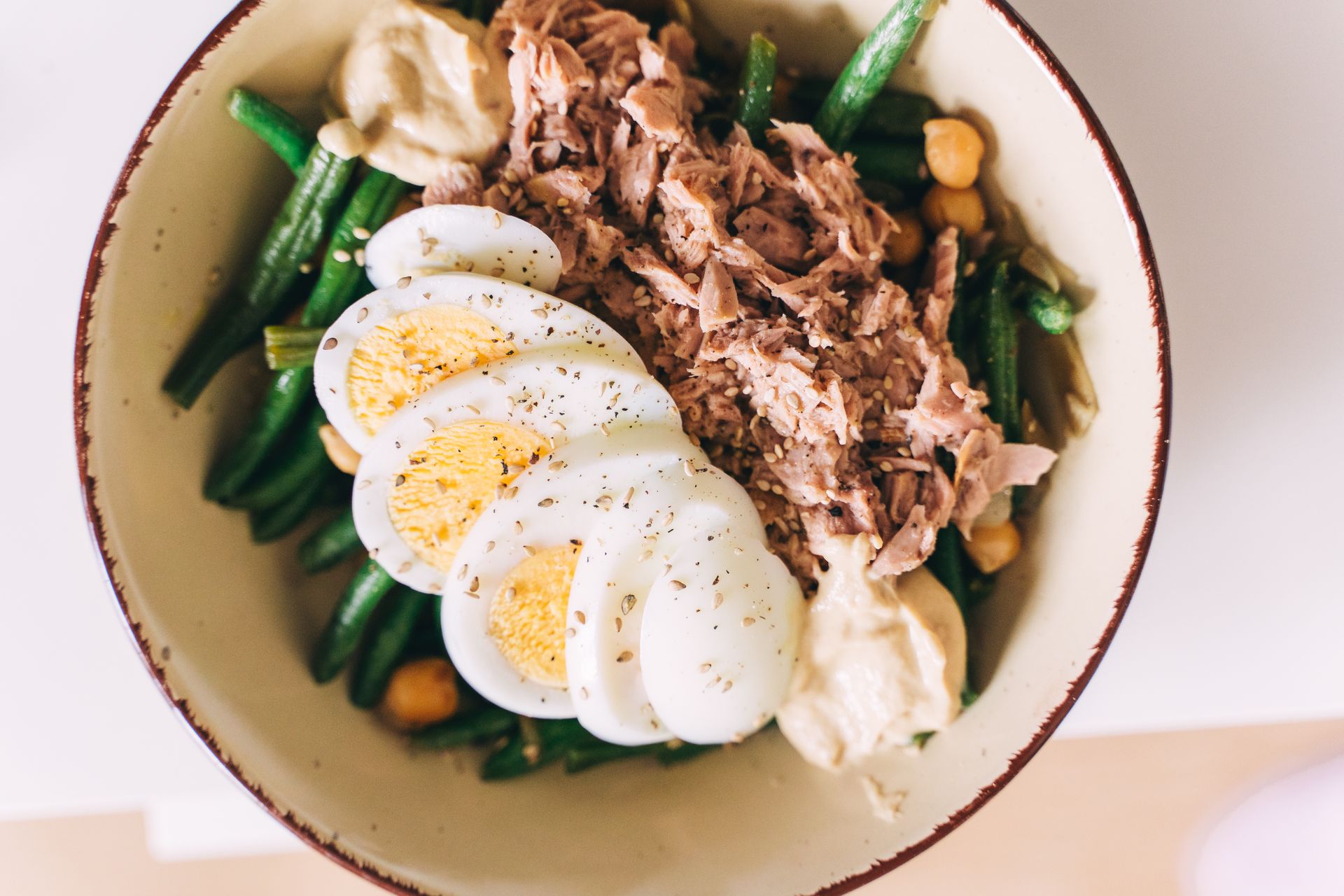
Protein plays an important role in a healthy diet. Your body uses protein to build and maintain muscles, support tissues, and perform many essential functions. Therefore, getting enough protein each day can be particularly important if you exercise regularly or want to maintain a balanced eating pattern.
However, protein needs differ from person to person. Your age, body size, activity level, fitness goals, and overall health can all influence how much protein you need. Consequently, there is no single amount that works perfectly for everyone.
Understanding your individual needs can help you make better food choices without relying on complicated diets or excessive protein intake.
Why Does Your Body Need Protein?
Protein consists of amino acids that your body uses for many important processes. It helps maintain muscles and supports the growth and repair of body tissues.
Protein also contributes to enzymes, hormones, and other substances involved in normal body functions. Therefore, protein should form part of a balanced diet alongside carbohydrates, fats, vitamins, minerals, fiber, and fluids.
If you exercise regularly, protein becomes particularly relevant because physical activity places demands on your muscles. Adequate protein intake, combined with appropriate training and recovery, can support muscle maintenance and development.
How Much Protein Do You Need?
For generally healthy adults, the basic recommended dietary allowance is approximately 0.8 grams of protein per kilogram of body weight per day. This represents a minimum level intended to meet basic nutritional needs for most adults.
However, people who exercise regularly may have higher protein needs depending on their activity and goals. For example, individuals who participate in resistance training or other demanding physical activities may benefit from a higher intake.
Rather than automatically consuming large quantities of protein, consider your overall diet, activity level, and personal goals. If you have specific nutritional or medical needs, a qualified healthcare or nutrition professional can provide individualized guidance.
Protein Needs for Active People
People with active lifestyles may need more protein than sedentary individuals. Regular exercise, particularly strength training, can increase the body’s need for nutrients that support muscle maintenance and recovery.
Therefore, active people should include good protein sources as part of their meals and snacks.
You do not necessarily need protein immediately after every workout. Instead, focus on getting adequate protein consistently throughout the day while maintaining a balanced diet.
Spread Protein Throughout the Day
Rather than consuming most of your protein in one large meal, consider distributing it across your meals.
For example, you could include eggs or yogurt at breakfast, beans or chicken at lunch, and fish, lean meat, tofu, or another protein source at dinner.
You can also include protein-rich snacks when appropriate. Yogurt, nuts, seeds, boiled eggs, or other suitable foods can help contribute to your daily intake.
Spreading protein across meals can make it easier to meet your overall needs while creating balanced meals.
Choose a Variety of Protein Sources
You do not need to rely on one type of protein. In fact, variety can make your diet more enjoyable and provide different nutrients.
Animal-based sources include eggs, fish, poultry, lean meats, milk, and yogurt. Plant-based options include beans, lentils, peas, tofu, nuts, and seeds.
If you follow a vegetarian or vegan diet, combine a variety of plant-based protein sources throughout the day to help meet your nutritional needs.
Protein and Muscle Building
Protein is important for maintaining and building muscle, but eating more protein alone does not automatically create muscle growth.
Resistance training provides the stimulus your muscles need, while adequate nutrition and recovery support the adaptation process. Therefore, combine appropriate strength training with sufficient protein, energy, sleep, and rest.
If muscle development is your goal, gradually challenging your muscles through a structured training program can complement your nutrition strategy.
Protein and Weight Management
Protein can also play a role in weight-management strategies. Protein-rich foods can contribute to feelings of fullness and can help support muscle maintenance when someone is reducing their calorie intake.
However, protein should not be viewed as a magic solution for weight loss. Overall calorie intake, food quality, physical activity, sleep, and other lifestyle factors also matter.
Therefore, build meals around a variety of nutritious foods rather than focusing exclusively on protein.
High-Protein Foods to Include
Many everyday foods can help you meet your protein needs. Consider options such as:
-
Eggs
-
Fish and seafood
-
Chicken and other lean poultry
-
Lean meats
-
Milk and yogurt
-
Beans and lentils
-
Tofu and other soy foods
-
Nuts and seeds
-
Whole grains that contribute additional protein
Combining these foods with vegetables, fruits, whole grains, and healthy fats can create balanced meals.
Do You Need Protein Supplements?
Protein powders and shakes can provide a convenient source of protein, particularly when you have difficulty getting enough from regular meals.
However, supplements are not essential for everyone. Whole foods can provide protein alongside vitamins, minerals, fiber, and other beneficial nutrients.
Therefore, prioritize nutritious foods and consider supplements based on your individual circumstances rather than assuming you need them.
Avoid Excessive Protein Intake
More protein is not always better. Extremely high protein intake may displace other important foods from your diet and may be unnecessary for your goals.
Instead, focus on achieving an appropriate intake as part of a balanced eating pattern.
People with certain health conditions may also need individualized dietary advice. If you have a medical condition or specific nutritional concern, consult a qualified healthcare professional before making significant dietary changes.
Make Protein Part of a Balanced Diet
Understanding how much protein you need each day starts with recognizing that individual requirements vary. The general adult recommendation of around 0.8 grams per kilogram of body weight provides a basic reference, while active individuals may need more depending on their training and goals.
Focus on including protein-rich foods throughout the day rather than relying on one large serving. Combine protein with nutritious carbohydrates, healthy fats, fruits, vegetables, and whole grains.
Most importantly, avoid chasing an exact number without considering your overall health and lifestyle. A balanced, varied diet supported by regular physical activity and adequate recovery can provide a strong foundation for long-term wellness.


