




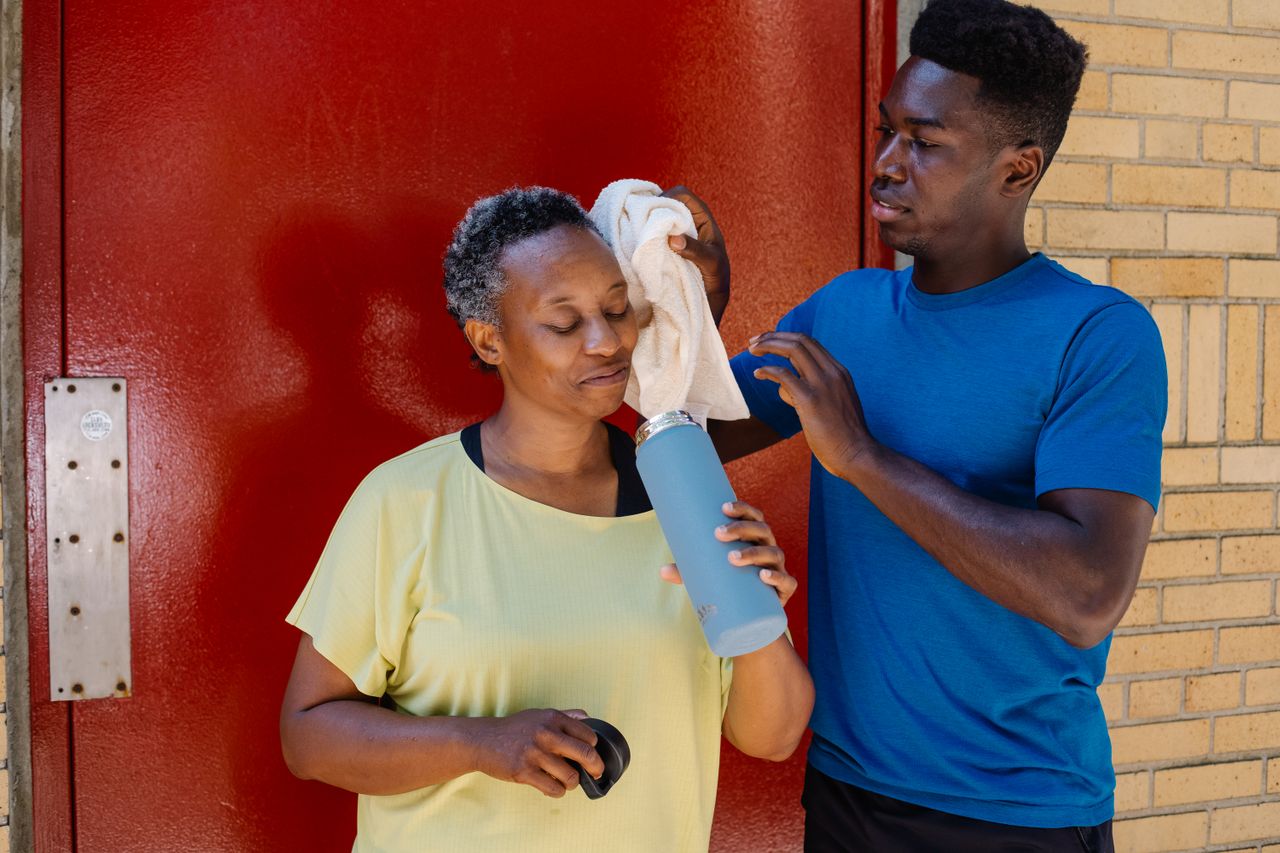
Water plays an essential role in everyday health and physical performance. Your body needs fluids to support normal functions, regulate temperature, transport nutrients, and maintain overall well-being. When you exercise, your fluid needs can increase because your body loses water through sweat.
Therefore, staying hydrated should form an important part of any fitness and wellness routine. Fortunately, you do not need a complicated strategy to support hydration. Drinking fluids regularly, paying attention to your body’s needs, and replacing fluids lost during activity can help you stay prepared for everyday movement and exercise.
Why Hydration Matters
Water supports many processes throughout the body. It helps regulate body temperature, lubricate joints, transport nutrients, and maintain normal circulation.
During physical activity, your body produces heat. Sweating helps cool you down, but it also causes you to lose fluids. If you do not replace those fluids, dehydration can develop.
Consequently, maintaining good hydration becomes particularly important when you exercise for extended periods or in hot and humid conditions.
Hydration and Exercise Performance
Even relatively modest fluid losses can affect how you feel during physical activity. You may notice increased thirst, fatigue, reduced comfort, or difficulty maintaining your usual exercise intensity.
Therefore, drinking fluids regularly can help you stay comfortable and support your ability to exercise.
However, hydration needs vary. The amount you need depends on factors such as exercise duration, intensity, temperature, humidity, body size, and how much you sweat.
Rather than following a single rule, pay attention to your individual needs.
Drink Water Throughout the Day
One of the simplest ways to stay hydrated is to drink water regularly rather than waiting until you feel extremely thirsty.
Keep water nearby at home, at work, and during exercise. A reusable bottle can make this habit easier because you always have a convenient source of fluid available.
Additionally, make hydration part of your daily routine. Drink water with meals and during breaks throughout the day.
Consistent habits can make it easier to maintain hydration without constantly thinking about it.
Hydrate Before Exercise
Starting a workout already dehydrated can make exercise feel more difficult. Therefore, make sure you drink fluids regularly before physical activity.
You do not need to consume a large amount of water immediately before exercising. Instead, maintain normal hydration throughout the day and drink according to your needs.
If you exercise in hot conditions or participate in a long workout, you may need to pay closer attention to your fluid intake.
Drink During Workouts
During exercise, your body loses fluids through sweat. Therefore, drinking during longer or more demanding workouts can help replace some of the fluid you lose.
For shorter, lower-intensity activities, you may not need to drink large amounts during the session. However, longer workouts or exercise in hot environments can increase your needs.
Keep water accessible and drink according to thirst and the conditions in which you are exercising.
Rehydrate After Exercise
Hydration remains important after your workout. Therefore, continue drinking fluids as part of your recovery routine.
If you have lost significant amounts of fluid through sweating, you may need to replace both fluids and electrolytes. This can be particularly relevant after prolonged exercise or activity in hot conditions.
For everyday workouts, water is often a practical choice. For longer or more demanding activities, individual hydration needs can vary.

Recognize Common Signs of Dehydration
Learning to recognize potential signs of dehydration can help you respond before the problem becomes more significant.
Thirst is one obvious signal. Other possible signs can include fatigue, headache, dizziness, dry mouth, or darker-than-usual urine.
However, these symptoms can have other causes as well. Therefore, do not rely on a single symptom to determine your hydration status.
If you experience severe symptoms or feel unwell during exercise, stop the activity and seek appropriate medical attention.
Eat Hydrating Foods
Drinks are not the only source of fluids. Many foods contain significant amounts of water and can contribute to your overall fluid intake.
Fruits and vegetables such as watermelon, oranges, berries, cucumber, tomatoes, and lettuce contain water alongside useful nutrients.
Including a variety of fruits and vegetables in your diet can therefore support both hydration and overall nutrition.
Consider Electrolytes During Long Workouts
Sweat contains electrolytes, including sodium and other minerals. During prolonged or particularly intense exercise, replacing electrolytes can become more important.
However, not everyone needs sports drinks or electrolyte products for ordinary workouts.
For shorter activities, water and a balanced diet may be sufficient. For endurance exercise, heavy sweating, or exercise in extreme heat, a more specific hydration strategy may be useful.
If you regularly participate in demanding endurance activities, consider getting personalized advice from a qualified healthcare or sports nutrition professional.
Limit Excessive Sugary Drinks
Some beverages contain large amounts of added sugar while providing little nutritional value. Therefore, make water your primary everyday hydration choice when appropriate.
You can add variety with unsweetened beverages or water flavored with fruit or herbs.
You do not need to completely avoid sweetened drinks, but limiting them can help you manage your overall intake of added sugars.
Hydration Supports Recovery
Good hydration also contributes to post-workout recovery. Replacing fluids lost during exercise can help your body return toward its normal fluid balance.
Therefore, include hydration alongside nutritious food, adequate sleep, and rest when planning your recovery routine.
After a demanding workout, continue drinking fluids and eat a balanced meal containing appropriate carbohydrates, protein, and other nutrients.
Make Hydration a Daily Habit
Understanding how hydration supports fitness and wellness can help you make smarter choices throughout your day. Water supports normal body functions, temperature regulation, physical activity, and recovery.
Drink regularly, stay aware of your fluid needs, and increase your attention to hydration during prolonged exercise or hot conditions. Also, include water-rich foods such as fruits and vegetables as part of a balanced diet.
Most importantly, avoid treating hydration as something you only consider during workouts. Make it a daily habit. With consistent hydration, balanced nutrition, regular exercise, and adequate recovery, you can create a stronger foundation for fitness and long-term wellness.


