




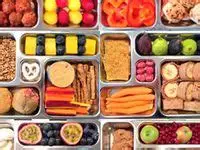
Healthy snack ideas can make busy days easier by providing convenient nourishment between meals. When work, errands, school, and other responsibilities fill your schedule, it can feel tempting to skip snacks or grab whatever is closest. However, planning a few simple options can help you make better choices without spending hours in the kitchen. The key is to choose snacks that combine useful nutrients with convenience, so you can stay satisfied while keeping your day moving.
What Makes a Good Snack?
The best healthy snack ideas do more than simply fill your stomach. Ideally, a snack should provide a combination of protein, fiber, healthy fats, or nutrient-rich carbohydrates. These nutrients can help you feel satisfied and provide energy between meals.
When choosing a snack, consider:
-
How hungry you are
-
How long until your next meal
-
Whether you need something portable
-
How much preparation time you have
-
Which foods you genuinely enjoy
You do not need complicated recipes to create a nutritious snack. In fact, simple combinations often work particularly well when time is limited.
Quick Snacks You Can Prepare in Minutes
Busy schedules call for practical solutions. Fortunately, many nutritious snacks require little or no cooking.
Fresh fruit paired with a handful of nuts offers a convenient combination of carbohydrates, fiber, and healthy fats. Similarly, plain yogurt with berries provides protein alongside naturally sweet fruit.
Other quick choices include:
-
Apple slices with peanut butter
-
Carrot or cucumber sticks with hummus
-
A boiled egg with whole-grain crackers
-
Cottage cheese with sliced fruit
-
A small handful of mixed nuts and dried fruit
-
Whole-grain toast with avocado
-
Unsweetened yogurt topped with seeds
These healthy snack ideas can fit into different routines because you can prepare many of them in advance and store them in convenient containers.
Portable Options for Work and Travel
When you spend much of the day away from home, portability becomes important. A snack that requires refrigeration or utensils may not always be practical.
Therefore, keep a few shelf-stable options available. Nuts, seeds, whole-grain crackers, and some types of dried fruit can travel easily in a bag or desk drawer.
However, portioning matters. Large packages can encourage mindless eating, especially when you are working or traveling. Instead, divide snacks into small containers or reusable bags before leaving home.
Keep an Emergency Snack Kit
A small snack supply can prevent last-minute decisions when hunger strikes. Store suitable options in your desk, backpack, or car when appropriate.
A simple emergency selection might include:
-
Unsalted nuts
-
Whole-grain crackers
-
Roasted chickpeas
-
Seeds
-
Dried fruit without excessive added sugar
Having something available can make it easier to avoid relying entirely on vending machines or convenience foods.
Prepare Snacks Ahead of Time
Preparation can turn nutritious eating into a much easier habit. Set aside a few minutes once or twice a week to wash fruit, portion nuts, chop vegetables, or prepare boiled eggs.
For example, you can create several grab-and-go containers at once. Then, when your morning becomes hectic, you can simply pick one up and leave.
Moreover, preparing different options prevents boredom. Rotate fruits, vegetables, protein sources, and spreads throughout the week so your snacks remain interesting.
Balance Convenience With Nutrition
Not every snack needs to be perfectly balanced. Sometimes you may only have access to one food, and that is completely practical. Nevertheless, when possible, combine foods that complement one another nutritionally.
For example, pair fruit with nuts or yogurt, or combine vegetables with hummus. These combinations can provide a broader range of nutrients while helping you stay satisfied.
Additionally, pay attention to drinks. Water should remain a simple everyday choice, while unsweetened tea can provide variety. Sugary drinks may provide calories without offering the same level of fullness as nutrient-rich foods.
Choose Snacks That Match Your Hunger
Your snack size should depend on your needs. If your next meal is only an hour away, you may need something small. On the other hand, if you have several hours before eating again, a more substantial snack may make sense.
Learning to recognize hunger cues can help you decide when and how much to eat. Rather than automatically reaching for a snack because the clock says so, consider whether you are physically hungry or simply bored, stressed, or distracted.
Avoid the Guilt Cycle
Busy days do not always allow perfect food choices. If you occasionally choose a less nutritious snack, there is no need to abandon your overall eating habits.
Instead, focus on your overall pattern. A balanced approach leaves room for flexibility while encouraging nutritious choices most of the time.
Build a Simple Snack Routine
Creating a reliable snack routine can make busy days more manageable. Choose several foods you enjoy, keep them accessible, and prepare portions ahead of time.
For example, you might keep fruit and yogurt available at home while storing nuts and whole-grain crackers at work. This approach reduces the number of decisions you need to make when your schedule becomes demanding.
Ultimately, healthy snack ideas do not need to be expensive, complicated, or time-consuming. With a little preparation, you can keep convenient foods available and make satisfying choices even during hectic days. Focus on simple ingredients, combine different nutrients when possible, and choose portions that match your hunger. Most importantly, create a system that fits your actual lifestyle rather than one that makes eating well feel like another chore.


