




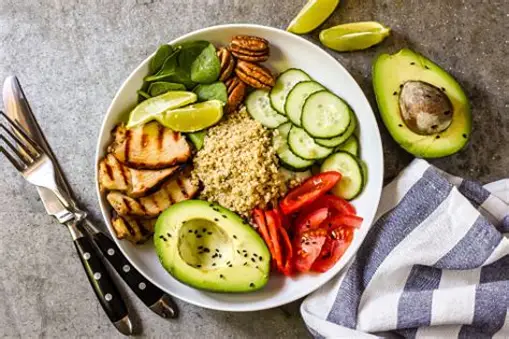
Healthy meal planning can make nutritious eating simpler, more affordable, and less stressful. Instead of deciding what to eat at the last minute, you can prepare a basic plan that gives you direction throughout the week. You do not need complicated recipes or expensive ingredients to get started. By focusing on balanced meals, practical portions, and foods you enjoy, you can develop an approach that fits comfortably into your daily routine.
Start With Simple Meals
Beginners often make meal planning harder than necessary. You do not need to prepare a different meal for every day. Instead, choose a few simple dishes that use ingredients you already enjoy.
For example, you could prepare grilled chicken with vegetables and rice for one meal, then use leftover chicken in wraps or a salad the following day. This approach saves time while reducing food waste.
Build Balanced Plates
A balanced meal should provide a combination of important nutrients. Rather than concentrating on one food group, include several types of food in appropriate portions.
Try building meals around:
-
Protein sources such as eggs, beans, fish, chicken, or lean meat
-
Vegetables and fruits for vitamins, minerals, and fiber
-
Whole grains or other carbohydrate sources for energy
-
Healthy fats from foods such as nuts, seeds, avocado, or olive oil
This simple structure can help you create satisfying meals without following complicated rules.
Plan Before You Shop
A shopping list can make healthy meal planning much easier. Before visiting the grocery store, check your refrigerator, freezer, and cupboards. Then write down the ingredients you actually need.
Organize your list by category, such as vegetables, proteins, grains, dairy, and pantry items. This strategy can help you shop more efficiently and reduce impulse purchases.
Additionally, consider your schedule before choosing meals. If you know you have a busy evening, plan a quick meal instead of selecting something that requires extensive preparation.
Prepare Ingredients in Advance
Meal preparation does not mean cooking every meal for an entire week in one sitting. Instead, prepare ingredients that you can combine in different ways.
You might wash vegetables, cook a batch of rice, boil eggs, or prepare beans ahead of time. Store prepared ingredients safely in appropriate containers and use them within a suitable period.
Make Leftovers Work for You
Leftovers can become one of your biggest advantages. Cook enough food for another meal and transform it into something different.
For instance, leftover roasted vegetables can become part of a grain bowl, while cooked beans can work in salads, wraps, or soups. Consequently, you spend less time cooking while still enjoying variety.
Choose Nutritious Foods You Enjoy
A meal plan should fit your preferences. If you fill it with foods you dislike, you may struggle to follow it consistently.
Instead, identify nutritious foods you genuinely enjoy and build meals around them. You can also experiment with herbs, spices, sauces, and different cooking methods to add flavor without making meals unnecessarily complicated.
Remember that healthy meal planning does not require perfection. Occasional takeout, restaurant meals, or favorite treats can fit into an overall balanced eating pattern.
Keep Your Budget in Mind
Eating well does not always require expensive specialty products. Many affordable foods provide excellent nutritional value.
Beans, lentils, eggs, oats, rice, seasonal vegetables, frozen produce, and whole grains can form the foundation of many inexpensive meals. Compare prices, purchase foods you regularly use, and avoid buying large quantities simply because they appear cheaper.
Planning portions also helps prevent unnecessary waste. When you know what you will cook, you are less likely to purchase ingredients that remain unused.
Create a Flexible Weekly Plan
Your schedule can change, so leave room for flexibility. Instead of assigning one rigid meal to every day, create a short list of breakfast, lunch, dinner, and snack options.
For example:
-
Choose two or three breakfast options.
-
Prepare two main proteins for the week.
-
Select several vegetables and carbohydrate sources.
-
Keep a few convenient snacks available.
-
Reserve one or two meals for leftovers or flexible choices.
This system provides structure without making your routine feel restrictive.

Make Healthy Eating a Habit
Successful healthy meal planning depends on creating a system that you can repeat. Start with a few meals, shop with a list, prepare ingredients ahead of time, and adjust your plan according to your lifestyle.
Over time, planning becomes easier because you learn which foods you enjoy, how much you need, and how long different meals take to prepare. You also gain greater control over your choices during busy days.
Ultimately, healthy meal planning is not about creating a perfect menu. It is about making nutritious choices easier and more convenient. Start small, remain flexible, and build a routine that supports your goals without adding unnecessary stress to your life.


