




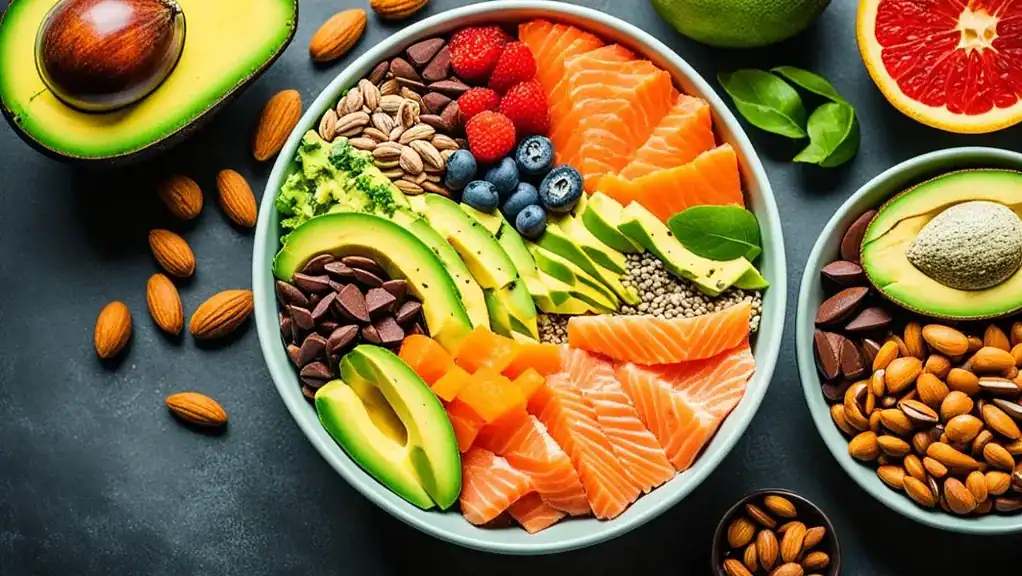
Healthy Foods for Weight Management can make it easier to build satisfying meals while supporting your nutrition goals. Rather than relying on restrictive diets or eliminating favorite foods, focus on nutrient-dense ingredients that provide protein, fiber, vitamins, minerals, and healthy fats. When you choose foods that keep you satisfied, you can create an eating pattern that feels practical and sustainable.
Build Meals Around Nutrient-Dense Foods
Weight management becomes easier when your meals provide plenty of nutrition without relying heavily on highly processed ingredients. Whole or minimally processed foods can provide essential nutrients while helping you create balanced meals.
For example, combine a protein source with vegetables, a fiber-rich carbohydrate, and a moderate portion of healthy fat. This combination can provide lasting satisfaction and steady energy throughout the day.
Prioritize Protein-Rich Foods
Protein can help you feel satisfied after meals while supporting muscle maintenance. It also works well as the foundation of breakfast, lunch, dinner, and snacks.
Good options include:
-
Eggs
-
Chicken and turkey
-
Fish and seafood
-
Greek yogurt
-
Cottage cheese
-
Beans and lentils
-
Tofu and tempeh
-
Lean beef
-
Nuts and seeds
Choose options that suit your dietary preferences and budget. Additionally, spreading protein across your meals can make it easier to meet your daily nutritional needs.
Eat More Fiber-Rich Foods
Fiber adds bulk to meals and can support feelings of fullness. It also contributes to healthy digestion and supports a balanced diet.
Vegetables, fruits, legumes, whole grains, nuts, and seeds provide useful sources of fiber. Instead of drastically changing your diet, increase these foods gradually and drink enough fluids throughout the day.
Choose Plenty of Vegetables
Vegetables can add volume, color, texture, and nutrients to meals without contributing excessive calories. Dark leafy greens, carrots, tomatoes, peppers, broccoli, cabbage, green beans, and cauliflower can all fit into a balanced eating pattern.
Try filling a substantial portion of your plate with vegetables. You can roast them, steam them, stir-fry them, add them to soups, or enjoy them raw with a nutritious dip.
Include Whole Fruits
Fruit can satisfy a desire for something sweet while providing fiber, vitamins, minerals, and naturally occurring carbohydrates.
Apples, oranges, berries, bananas, pears, mangoes, and melons are versatile choices. Whole fruit generally provides more fiber than fruit juice, so choose the whole option more often when possible.
Furthermore, pair fruit with protein or healthy fats when you want a more substantial snack. For example, an apple with nut butter or berries with unsweetened yogurt can provide a balanced combination.
Select High-Quality Carbohydrates
Carbohydrates do not automatically prevent weight management. In fact, nutritious carbohydrate sources can provide energy for exercise and daily activities.
Consider foods such as:
-
Oats
-
Brown rice
-
Whole-grain bread
-
Quinoa
-
Sweet potatoes
-
Potatoes
-
Barley
-
Beans
-
Lentils
Portion size still matters, especially when your overall calorie intake influences your goals. Therefore, focus on the quality and quantity of carbohydrates rather than eliminating them completely.
Add Healthy Fats in Moderate Portions
Healthy fats can improve meal satisfaction and help your body absorb certain fat-soluble vitamins. However, fats contain more calories per gram than protein or carbohydrates, so portions can add up quickly.
Useful choices include avocados, olive oil, nuts, seeds, and fatty fish. Measure calorie-dense ingredients when necessary, particularly if you are working toward a specific energy target.
Choose Satisfying Snacks
Smart snacks can help you manage hunger between meals. However, snacks should complement your overall eating pattern rather than become an automatic habit.
Try options such as:
-
Greek yogurt with berries
-
A piece of fruit with a small handful of nuts
-
Carrot and cucumber sticks with hummus
-
A boiled egg with fruit
-
Cottage cheese with sliced vegetables
-
Air-popped popcorn
Choose snacks according to your hunger, activity level, and meal schedule.
Pay Attention to Drinks
Beverages can contribute significant calories without creating the same sense of fullness as solid foods. Sugary sodas, sweetened coffees, energy drinks, and frequent alcoholic beverages can therefore make weight management more challenging.
Water should remain your primary beverage. Unsweetened tea, coffee, and sparkling water can also provide variety without adding substantial calories.
Practice Portion Awareness
Even nutritious foods can contribute more calories than expected when portions become very large. Instead of banning foods, learn how different portions fit into your overall diet.
Use smaller serving dishes when helpful, eat slowly, and pause before taking additional food. Most importantly, pay attention to hunger and fullness cues rather than eating automatically.
Create a Sustainable Eating Pattern
The most effective approach is one you can maintain over time. Healthy Foods for Weight Management should fit your culture, preferences, schedule, budget, and nutritional needs.
Rather than searching for a single “perfect” food, build meals around variety and balance. Include protein at regular meals, eat plenty of vegetables and fruit, choose mostly high-fiber carbohydrates, and use healthy fats in sensible portions.
Ultimately, Healthy Foods for Weight Management are not about deprivation. They provide the foundation for satisfying meals that support consistent nutrition and healthier habits. By choosing nourishing foods most of the time while allowing flexibility, you can create an eating pattern that supports your goals without making food unnecessarily complicated.

