





Good nutrition plays an important role in supporting your health throughout life. However, healthy eating does not require complicated meal plans, strict restrictions, or temporary diets. Instead, long-term wellness comes from developing practical eating habits that provide your body with the nutrients and energy it needs.
By choosing a variety of nutritious foods and creating balanced meals, you can support your energy, fitness, and overall well-being. Furthermore, sustainable eating habits can make healthy choices easier to maintain as your lifestyle and nutritional needs change.
Build Balanced Meals
A balanced meal should provide a variety of nutrients. Therefore, include different food groups rather than relying heavily on one type of food.
Aim to include vegetables or fruit, a protein source, a carbohydrate source, and healthy fats where appropriate. For example, a meal could combine grilled fish or beans with vegetables, whole grains, and avocado.
This approach provides variety while helping you meet your nutritional needs. Additionally, balanced meals can make it easier to maintain steady energy throughout the day.
Eat More Fruits and Vegetables
Fruits and vegetables provide essential vitamins, minerals, fiber, and other beneficial nutrients. Consequently, they should form a regular part of a healthy eating pattern.
Try to include a variety of colors and types throughout the week. Leafy greens, berries, carrots, tomatoes, peppers, citrus fruits, and other produce can all contribute to a diverse diet.
You can also make vegetables easier to eat by adding them to soups, salads, sandwiches, omelets, stir-fries, and other everyday meals.
Choose Whole and Minimally Processed Foods
Whole and minimally processed foods can provide valuable nutrients while helping you create a balanced diet. Examples include whole grains, legumes, vegetables, fruits, eggs, fish, nuts, seeds, and other nutritious foods.
However, you do not need to eliminate processed foods completely. Instead, make nutrient-rich foods the foundation of your diet while enjoying other foods in moderation.
This flexible approach can make healthy eating more realistic and sustainable.
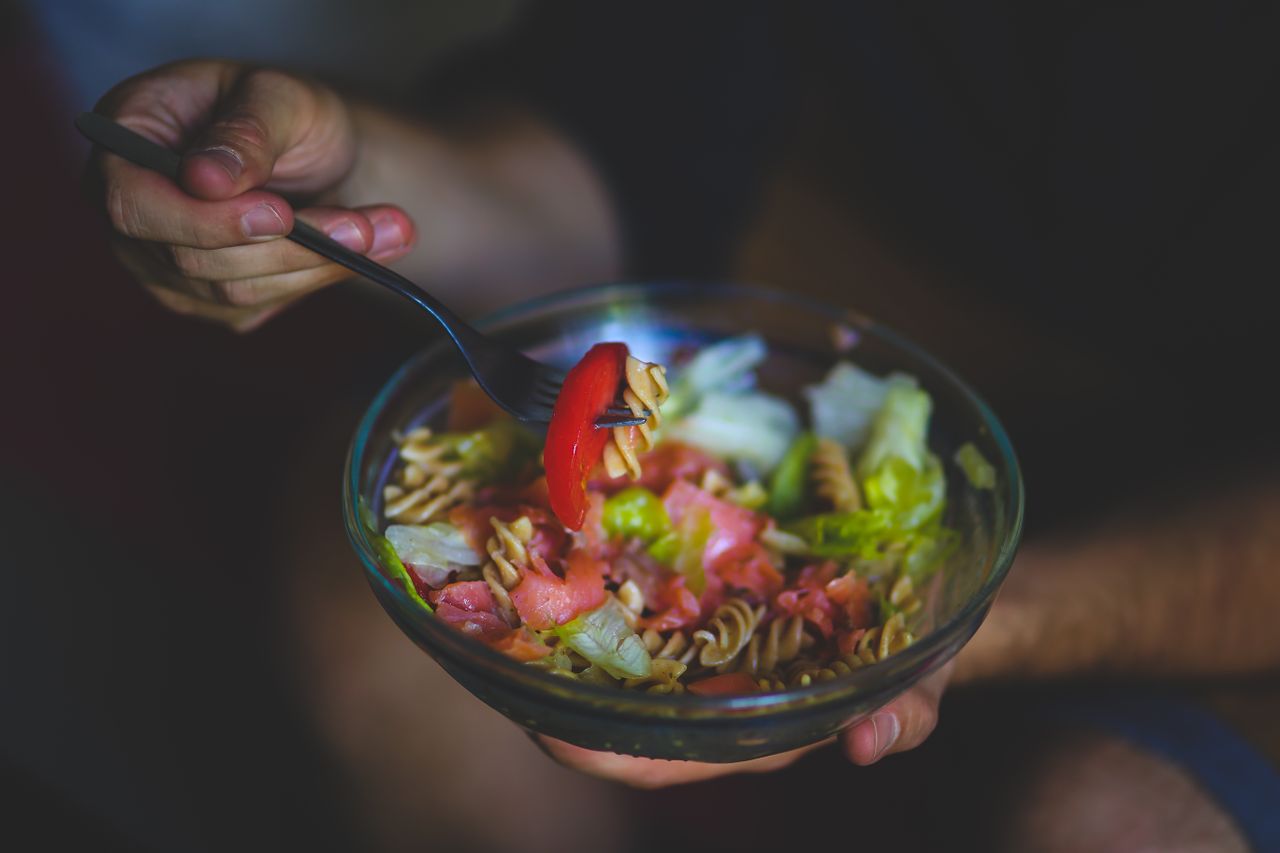
Include Protein With Meals
Protein supports many important functions in the body and plays a key role in maintaining muscle. Therefore, include suitable protein sources throughout your day.
Options include fish, eggs, poultry, lean meats, beans, lentils, tofu, yogurt, nuts, and seeds.
You do not need to rely on one particular protein source. Instead, vary your choices to add nutritional variety to your meals.
Choose Healthy Sources of Fat
Dietary fat also forms part of a balanced eating pattern. Healthy fat sources include avocados, nuts, seeds, olive oil, and certain types of fish.
Add these foods to meals in appropriate portions. For example, sprinkle seeds over yogurt or salads, add avocado to a meal, or use a small amount of olive oil when preparing vegetables.
Rather than avoiding fat altogether, focus on choosing nutritious sources and maintaining balance.
Stay Hydrated
Water is essential for normal body functions, so hydration should remain part of your everyday wellness routine.
Drink water regularly throughout the day and pay attention to your needs during exercise or hot weather. Keeping a reusable bottle nearby can make drinking water more convenient.
Additionally, remember that hydration needs vary between individuals. Your activity level, environment, and other factors can influence how much fluid you require.
Practice Mindful Eating
Healthy eating involves more than what you eat. How you eat can also influence your habits.
Therefore, try to eat without rushing whenever possible. Pay attention to your hunger and fullness cues, and take time to enjoy your meals.
Avoid automatically eating while distracted by television, phones, or other activities. By paying more attention to your food, you may become more aware of your eating patterns and portion sizes.
Plan Your Meals
Meal planning can make healthy eating easier, particularly when you have a busy schedule. Before the week begins, think about the meals you are likely to prepare and create a simple shopping list.
Preparing ingredients in advance can also save time. Wash and cut vegetables, cook grains, prepare protein sources, or portion snacks so they are ready when needed.
As a result, you can reduce the temptation to rely on less nutritious convenience foods when you are short on time.
Avoid Extreme Diets
Strict diets may promise fast results, but they can be difficult to maintain over the long term. Eliminating entire food groups without a medical or nutritional reason may also make it harder to achieve a balanced diet.
Instead, focus on gradual improvements. Replace some highly processed foods with more nutritious options, add more vegetables to your meals, or reduce sugary drinks.
Small changes can become lasting habits when you introduce them gradually.
Enjoy Food Without Guilt
Food should provide nutrition, but it can also provide enjoyment and social connection. Therefore, you do not need to feel guilty about occasionally enjoying your favorite foods.
A sustainable approach allows flexibility. You can eat nutritious foods most of the time while still enjoying special meals, desserts, or other foods you like.
This balanced mindset can make healthy eating more enjoyable and reduce the pressure to follow unrealistic rules.
Listen to Your Body
Your nutritional needs can change depending on your age, activity level, lifestyle, and other factors. Therefore, pay attention to how different foods and eating patterns affect your energy, hunger, and overall well-being.
If you have specific dietary needs or health concerns, consider speaking with a qualified healthcare or nutrition professional for personalized guidance.
Make Healthy Eating a Lifestyle
Developing healthy eating habits for long-term wellness does not require perfection. Instead, focus on balanced meals, nutritious foods, adequate hydration, mindful eating, and practical meal planning.
Most importantly, create habits that fit your lifestyle. You do not need to transform your diet overnight. Start with small changes and gradually build on them.
Over time, consistent choices can create a sustainable eating pattern that supports your energy, fitness, and overall wellness. A balanced approach allows you to nourish your body while still enjoying the foods and experiences that make life enjoyable.


