




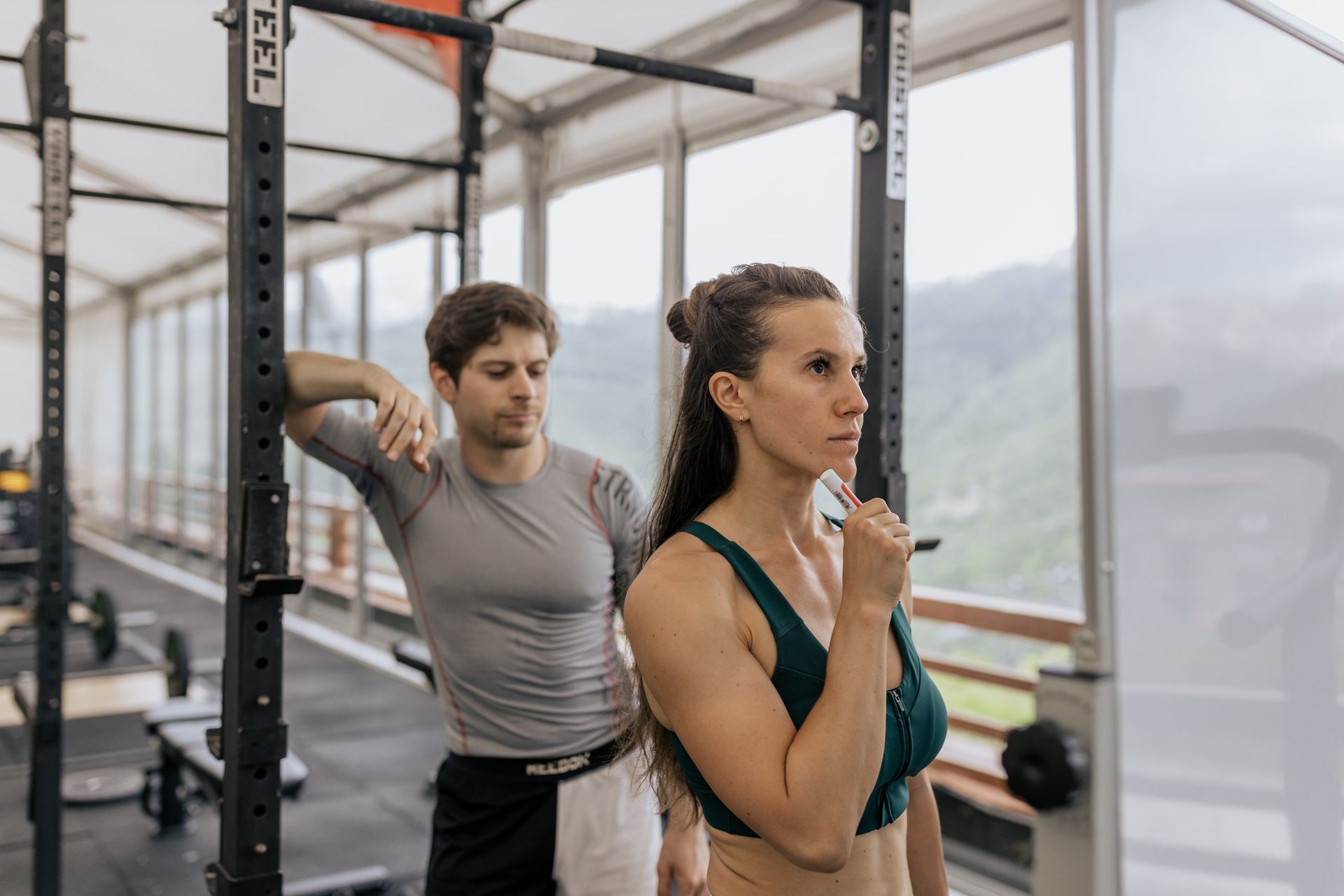
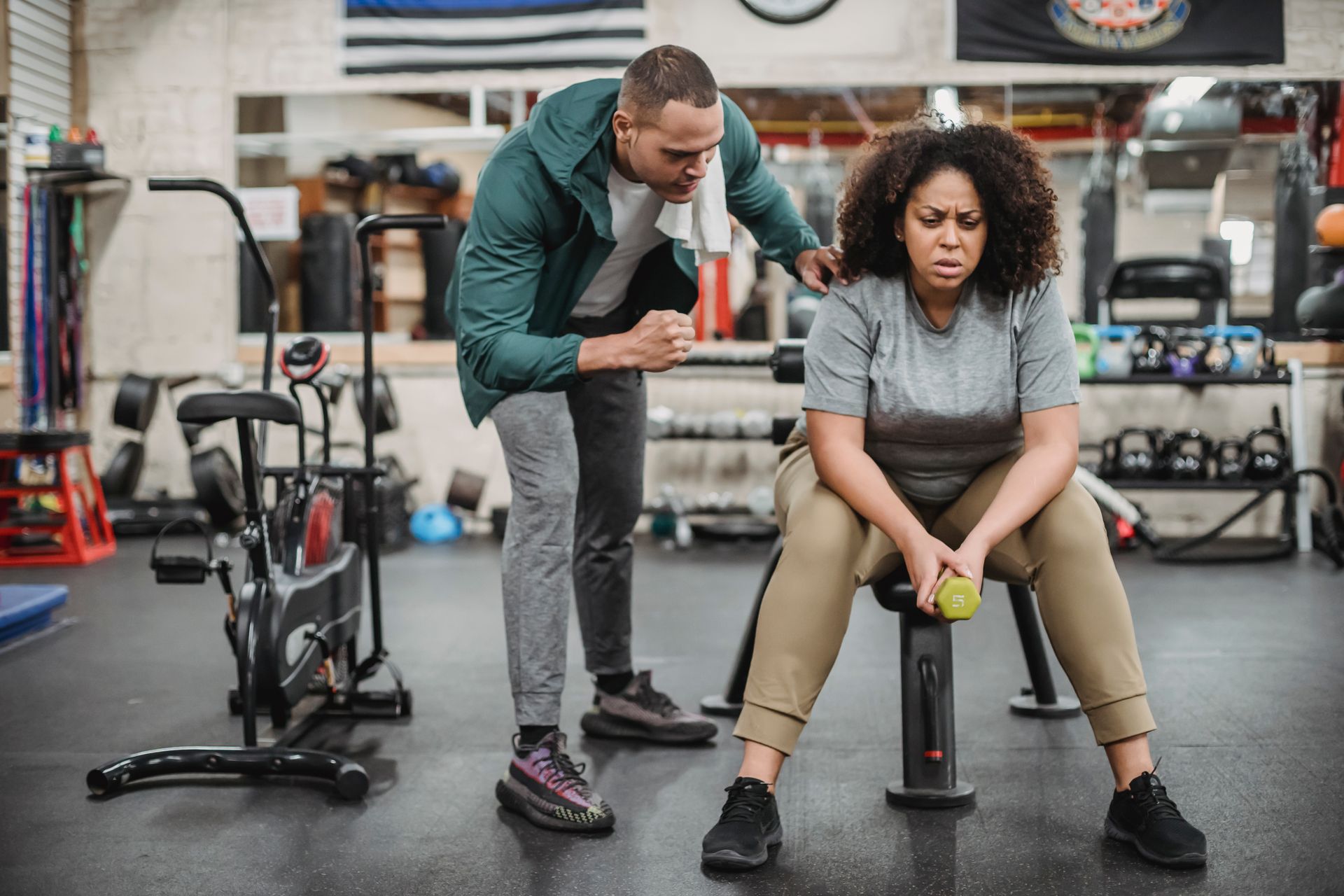
Personal training can help you exercise with better structure and guidance. However, mistakes can reduce the value of your workouts and make progress harder. In this article, we discuss common personal training mistakes to avoid and simple ways to improve your approach. Rushing through exercises, ignoring recovery, using poor form, and following unrealistic goals can all create problems. A better approach focuses on steady progress, proper technique, and a routine that matches your needs.
Common Personal Training Mistakes To Avoid For Better Results
A good training plan should match your fitness level and goals. Problems often occur when people try to copy advanced workouts or increase the workload too quickly. Start with exercises you can perform correctly and make gradual changes as your body becomes stronger.
Skipping The Warm-Up
Starting a demanding workout without preparing your body can move feel difficult. A short warm-up can gradually increase your heart rate and prepare your muscles and joints for activity. Simple movements such as walking, marching, or gentle dynamic exercises can be enough.
A warm-up does not need to be long. The goal is to prepare your body for the type of exercise you plan to perform.
Using Poor Exercise Form
Good form helps you control each movement and target the intended muscles. Rushing through repetitions or using a position that feels unstable can reduce the quality of an exercise.
Ask your trainer to check your technique when you are learning a new movement. Focus on controlled repetitions rather than trying to complete as many as possible.
Trying To Progress Too Quickly
Progress is important, but your body needs time to adapt. Adding too much weight, resistance, duration, or intensity at once can make workouts unnecessarily difficult.
Increase one part of your routine gradually. If an exercise becomes easy while your form remains strong, you can consider a small increase in difficulty.
Ignoring Recovery
More exercise is not always better. Your body needs time to recover after demanding workouts. Poor recovery can leave you tired and may affect your performance.
Include rest or easier activity when needed. Getting enough sleep and eating a balanced diet can also support recovery.
Following Someone Else’s Program
A workout that works well for another person may not suit you. People have different goals, fitness levels, schedules, and physical needs.
Your training plan should reflect your own situation. A qualified trainer can help you select exercises and workloads that match your ability.
Focusing Only On One Type Of Exercise
Doing only one type of activity may leave other areas of fitness underdeveloped. Depending on your goals, consider including strength, aerobic activity, mobility, and balance exercises.
You do not need to include everything in every session. Spread different activities across the week in a way that fits your schedule.
Ignoring Pain
Exercise can cause normal muscle tiredness, but sharp or unusual pain should not be ignored. Continuing an exercise that causes significant pain can make a problem worse.
Stop the movement if something feels wrong and seek appropriate professional advice when necessary. A trainer should also be willing to modify an exercise rather than telling you to push through serious discomfort.
Setting Unrealistic Goals
Unrealistic expectations can lead to frustration. Fitness improvements often take time, and progress may not happen at the same speed every week.
Set practical goals that you can measure. You might focus on completing a certain number of sessions, improving your exercise form, increasing walking time, or gradually building strength.
Not Communicating With Your Trainer
Your trainer cannot know how you feel unless you tell them. Explain when an exercise feels too difficult, when your schedule changes, or when you have concerns about a movement.
Good communication allows your trainer to make useful adjustments. You should feel comfortable asking questions and giving honest feedback.
Skipping Rest Because Of Motivation
Feeling motivated can encourage you to train hard, but rest still matters. Exercising intensely every day may not give your body enough time to recover.
Follow a balanced schedule and allow easier days when appropriate. Consistency over time is more useful than pushing yourself hard for a short period.
Failing To Track Progress
Without some form of tracking, it can be difficult to know whether your routine is working. You do not need a complicated system. Record useful information such as workout duration, repetitions, resistance, or how an exercise feels.
Progress can also include better balance, improved technique, greater endurance, or increased confidence.
Choosing A Trainer Without Checking Their Background
The quality of guidance matters. Before working with a trainer, ask about their qualifications, experience, and approach. Make sure they understand your goals and are willing to adapt exercises when needed.
Avoid trainers who promise extremely fast results or pressure you into buying unnecessary products or services.
Conclusion
Avoiding common personal training mistakes can make exercise safer and more productive. Warm up before demanding activity, use good form, increase difficulty gradually, and give your body enough time to recover. Avoid copying other people’s programs and communicate openly with your trainer. Most importantly, listen to your body and focus on realistic progress. A consistent and flexible approach can help you build stronger fitness habits over time.
