

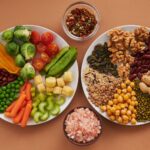



Balanced Plate Guide principles can help you create nutritious, satisfying meals without making food preparation complicated. A balanced meal does not require strict measurements or an elaborate menu. Instead, you can combine several food groups in sensible portions to provide energy, protein, fiber, vitamins, minerals, and healthy fats. Once you understand the basic structure, you can apply it to breakfast, lunch, dinner, and snacks with greater confidence.
Understand the Basics of a Balanced Meal
A well-rounded meal typically includes a combination of vegetables or fruit, protein-rich foods, whole grains or other carbohydrate sources, and healthy fats. Each component serves a different purpose.
Vegetables and fruits provide important vitamins, minerals, fiber, and other beneficial plant compounds. Protein helps support muscles and keeps meals satisfying, while carbohydrates provide a readily available source of energy. Healthy fats contribute flavor and help your body absorb certain fat-soluble vitamins.
Therefore, rather than focusing on one particular food, think about how different foods work together.
Start With Vegetables and Fruit
One simple way to follow a Balanced Plate Guide approach is to make produce an important part of your meal. Vegetables can add color, texture, fiber, and nutrients without requiring complicated preparation.
Try options such as:
-
Spinach, cabbage, kale, or other leafy greens
-
Carrots, tomatoes, peppers, or cucumbers
-
Broccoli, cauliflower, or green beans
-
Pumpkin, squash, or sweet potatoes
-
Fresh or frozen fruits
You do not need to eat the same vegetables every day. Instead, rotate different colors and varieties throughout the week to keep meals interesting.
Choose Seasonal Options
Seasonal produce can offer variety while making meal planning easier. Local fruits and vegetables may also fit naturally into your regular shopping routine.
If fresh produce is not available, frozen or canned options can still work. When choosing canned foods, check labels where appropriate and select options with less added sugar or sodium.
Add a Quality Protein Source
Protein makes an important contribution to a satisfying meal. Animal-based options include eggs, fish, chicken, lean meat, and dairy products. Plant-based choices include beans, lentils, peas, tofu, nuts, and seeds.
For example, you could pair grilled chicken with vegetables and brown rice. Alternatively, combine lentils with vegetables and a whole-grain carbohydrate.
A Balanced Plate Guide approach does not require you to eat one particular type of protein. Instead, choose options that suit your preferences, budget, culture, and dietary needs.
Select Nutritious Carbohydrates
Carbohydrates often receive unnecessary criticism, yet they can play an important role in a nutritious eating pattern. The key is to consider the quality and overall portion.
Whole grains such as oats, brown rice, whole-grain bread, and maize-based whole-grain options can provide carbohydrates alongside fiber and other nutrients. Potatoes, sweet potatoes, beans, and fruit can also contribute carbohydrates to a meal.
Rather than eliminating carbohydrates, combine them with protein, vegetables, and healthy fats. This combination can make meals more filling and satisfying.
Include Healthy Fats
Healthy fats can add flavor and satisfaction to your meals. Examples include avocado, nuts, seeds, olive oil, and some types of oily fish.
You do not need large quantities. A small serving can complement vegetables, grains, and protein effectively.
For instance, add avocado to a bean-based meal or sprinkle seeds over a vegetable salad. These simple additions can improve both the taste and nutritional variety of your plate.
Use Portion Awareness
Building balanced meals does not mean measuring every ingredient. Instead, use visual cues to create reasonable proportions.
As a general starting point, make vegetables and fruit a substantial part of the meal, then add a protein source and a carbohydrate source. Include a smaller amount of healthy fat.
Your needs can vary depending on factors such as age, activity level, body size, health status, and personal goals. Consequently, treat these proportions as a flexible framework rather than a strict rule.
Make Your Meals More Interesting
Following the Balanced Plate Guide does not mean eating bland or repetitive food. Herbs, spices, garlic, ginger, citrus, and other flavorful ingredients can transform simple meals.
You can also change your cooking methods. Roast vegetables for a deeper flavor, steam them for a lighter option, or stir-fry them with a modest amount of oil.
Furthermore, experiment with different combinations. A grain bowl, vegetable soup, bean stew, omelet, or colorful salad can all become balanced meals when you combine complementary food groups.
Plan Before You Shop
Meal planning can make balanced eating considerably easier. Before shopping, think about several meals you can prepare using overlapping ingredients.
For example, purchase vegetables that work in salads, stir-fries, soups, and roasted dishes. Cook a larger batch of beans, grains, or another staple and use portions across several meals.
This strategy can reduce food waste and save preparation time. More importantly, having nutritious ingredients available makes it easier to assemble a balanced meal when you are hungry.
Keep the Approach Flexible
The most useful Balanced Plate Guide strategy allows room for personal preferences and occasional indulgences. You do not need to make every meal perfect.
Instead, look at your overall eating pattern. If one meal contains fewer vegetables than usual, you can include more produce later. Similarly, if you eat a richer meal on one occasion, simply return to your usual habits afterward.
Balance develops over time rather than appearing on a single plate.
Build Better Meals With Confidence
Learning to create balanced meals can simplify everyday nutrition. Focus on variety, include several food groups, choose nutrient-rich ingredients, and adjust portions according to your individual needs.
Ultimately, a Balanced Plate Guide mindset encourages you to think beyond individual foods. By combining vegetables or fruit, protein, nutritious carbohydrates, and healthy fats, you can create meals that are flavorful, satisfying, and nourishing without unnecessary complexity.


