




Losing weight does not require extreme diets or exhausting workouts. Small changes to your daily habits can create a healthier routine that you can maintain over time. In this article, we discuss the best ways to begin losing weight and how to make simple changes to your food choices, activity levels, sleep, and daily habits. The goal is to build steady habits rather than look for quick results.
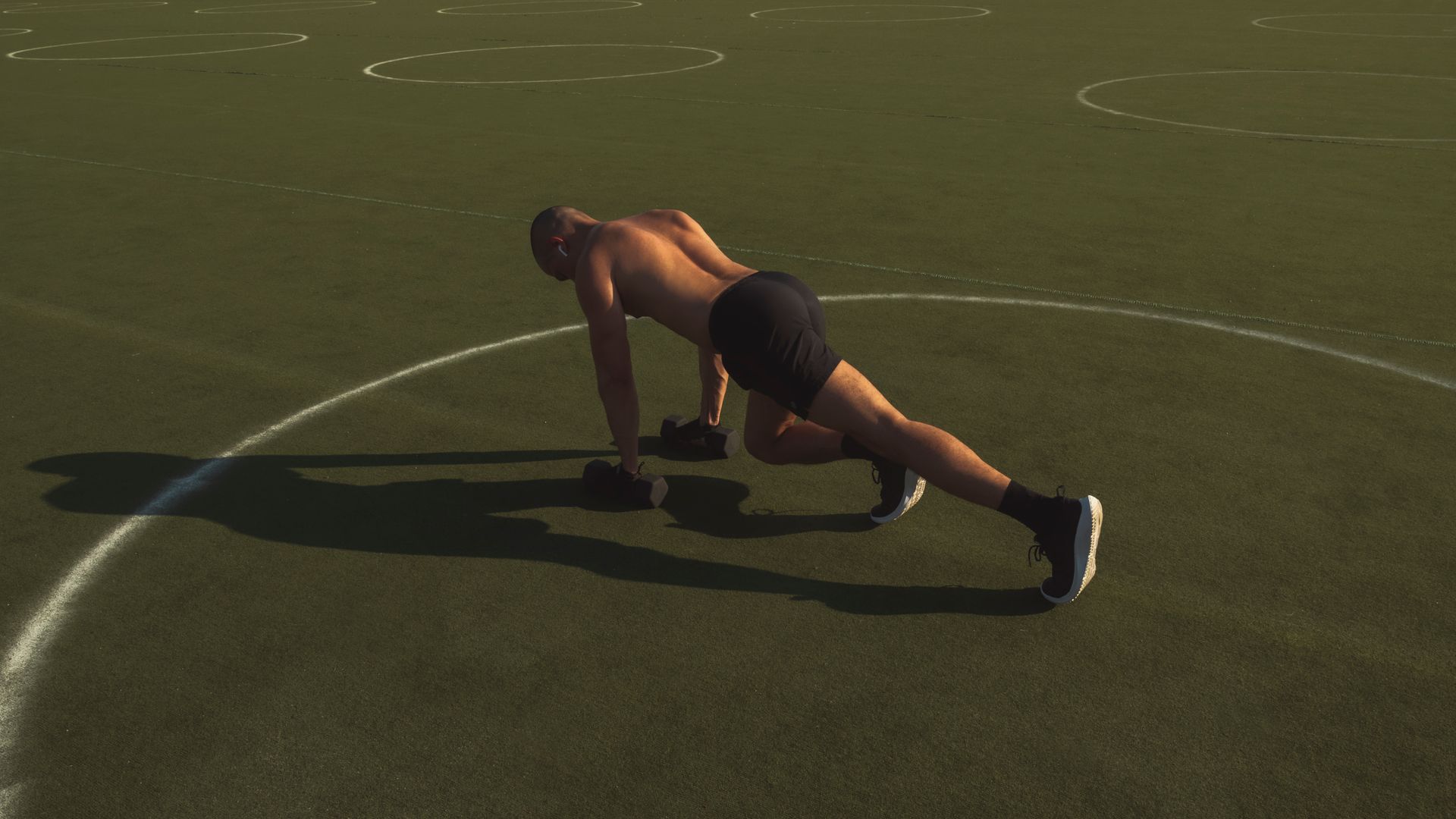
Best Ways To Begin Losing Weight With Simple Habits
A good starting point is to focus on habits that you can follow regularly. Avoid making too many changes at once. Instead, choose a few realistic goals and give yourself time to adjust. Consistent habits can be easier to maintain than strict plans that are difficult to follow.
Eat More Whole Foods
Whole foods can provide useful nutrients and help you create balanced meals. Include vegetables, fruits, whole grains, beans, lean protein sources, and healthy fats in your meals.
Try to make gradual changes instead of removing many foods at once. For example, you can add more vegetables to a meal or choose whole grains more often.
Control Portion Sizes
How much you eat matters as well as what you eat. Large portions can make it easy to consume more energy than your body needs.
Use reasonable portions and eat slowly. Pay attention to your hunger and fullness signals instead of eating quickly or automatically.
Drink More Water
Water can help you stay hydrated throughout the day. Replacing sugary drinks with water can also reduce your intake of added sugar and extra calories.
Keep water available during the day so it is easier to choose when you feel thirsty. Your fluid needs can vary based on activity, weather, and other factors.
Add More Daily Movement
You do not need to begin with intense workouts. Walking, taking the stairs, doing household tasks, and spending less time sitting can all add movement to your day.
Start with an activity you enjoy and gradually increase how often or how long you do it. Regular movement can become an important part of a healthy routine.
Try Strength Training
Strength exercises can help build and maintain muscle. Bodyweight movements, resistance bands, and weights can all be used for strength training.
Start with simple exercises such as squats, lunges, wall push-ups, and rows. Focus on proper form and increase the challenge slowly.
Include Cardio Activity
Walking, cycling, swimming, dancing, and other activities can raise your heart rate and help you become more active. Choose activities that you enjoy so you are more likely to continue them.
You can begin with short sessions and gradually increase the duration as your fitness improves.
Build Balanced Meals
A balanced meal can include several food groups. Combining protein, vegetables, whole grains, and healthy fats can help create satisfying meals.
Simple meal ideas include:
-
Eggs with vegetables and whole-grain toast.
-
Chicken with vegetables and brown rice.
-
Beans with vegetables and whole grains.
-
Yogurt with fruit and nuts.
-
Fish with vegetables and potatoes.
Choose portions that fit your needs and adjust meals based on your preferences.
Get Enough Sleep
Sleep can affect your energy, mood, and daily habits. Poor sleep may make it harder to stay active and make balanced food choices.
Try to keep a regular sleep schedule and create a relaxing bedtime routine. A comfortable, quiet, and dark sleeping environment can also support better rest.
Manage Stress
Stress can affect eating habits and make it harder to stay consistent with healthy routines. Find simple ways to manage daily stress, such as walking, relaxing, spending time with loved ones, or practicing slow breathing.
You do not need to eliminate stress completely. Focus on finding healthy ways to respond to it.
Track Your Habits
Tracking can help you understand your daily routine and identify areas that need improvement. You can record meals, activity, sleep, water intake, or other habits.
Do not become focused only on the number on the scale. Changes in energy, fitness, clothing fit, and daily habits can also show progress.
Avoid Extreme Changes
Very strict diets can be difficult to maintain. Skipping meals, removing entire food groups without a reason, or exercising excessively may make your routine harder to sustain.
Instead, focus on gradual changes. Allow yourself time to develop habits that fit your lifestyle.
Set Realistic Goals
Set goals that are specific and manageable. Instead of trying to change everything immediately, choose one or two habits to work on first.
For example, you could aim to walk regularly, eat more vegetables, drink more water, or prepare more meals at home. Once these habits become easier, you can add another goal.
Seek Professional Guidance When Needed
Weight management can be affected by health conditions, medications, age, and other individual factors. If you have a medical condition, are taking medication, or are unsure how to begin, speak with a qualified health professional.
Professional guidance can help you choose an approach that is appropriate for your individual needs.
Conclusion
The best ways to begin losing weight involve simple and sustainable habits. Eat balanced meals, pay attention to portions, drink enough water, increase daily movement, exercise regularly, sleep well, and manage stress. Avoid extreme changes and focus on gradual progress instead. A healthy routine takes time to build, so be patient with yourself and choose habits that you can maintain for the long term.

