




Stretching can help beginners move more comfortably and build a simple fitness habit. It can also help you become more aware of how your body moves. In this article, we discuss the best stretching routines for beginners and simple ways to add them to your day. You do not need special equipment or a large space. A few gentle movements can help you work on flexibility while keeping your routine simple and manageable.
Simple Stretching Routines For Beginners To Try
Beginners should start with slow and gentle movements. You should feel a mild stretch, not sharp pain. Avoid bouncing while stretching because sudden movements can place extra stress on muscles and joints. Breathe normally and allow your body to relax as you move through each position.
Neck And Shoulder Stretches
Neck and shoulder stretches can be useful after sitting for long periods. Sit or stand comfortably and slowly move your head from side to side. You can also gently tilt your head toward one shoulder without forcing it. For your shoulders, make slow shoulder rolls in both directions. Keep the movements controlled and stop if you feel pain or unusual discomfort.
Chest Stretch
A chest stretch can help you move your shoulders and upper body comfortably. Stand near a doorway and place your forearms or hands against the frame if it feels comfortable. Slowly move your body forward until you feel a gentle stretch across your chest. Keep the movement controlled and avoid pushing too far.
Upper Back Stretch
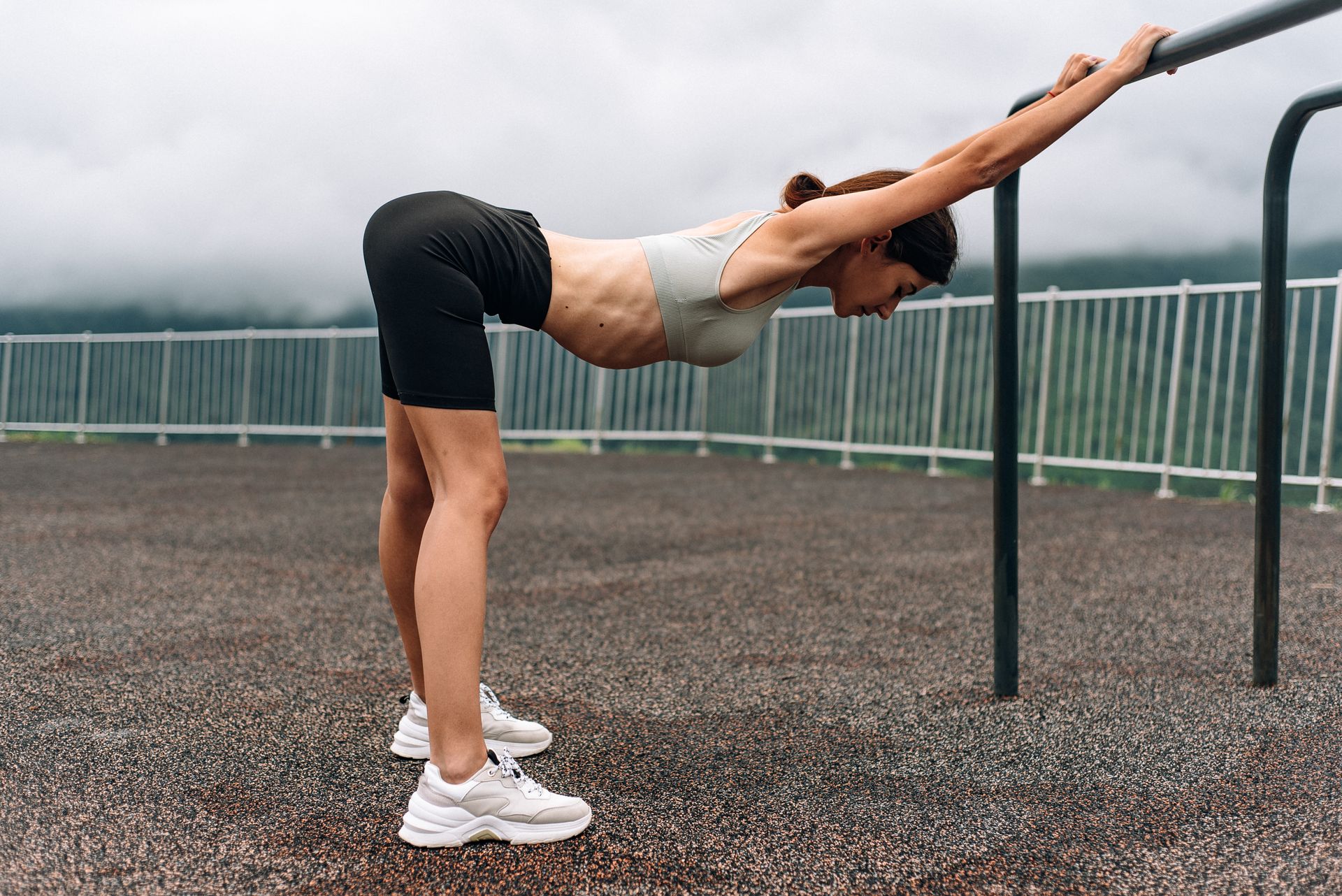
The upper back can become stiff after long periods of sitting. Bring your arms forward and gently reach them away from your body. You can also clasp your hands and slowly round your upper back while keeping the movement comfortable. Take slow breaths and relax your shoulders as you hold the position.
Standing Side Stretch
A standing side stretch works the sides of your body. Stand with your feet comfortably apart and raise one arm overhead. Slowly lean to the opposite side without twisting your body. Return to the center and repeat on the other side. Keep your movement gentle and controlled.
Hamstring Stretch
Your hamstrings are located at the back of your thighs. To stretch them, sit on the edge of a stable chair and extend one leg forward with your heel on the floor. Keep your back comfortable and lean forward slightly from your hips. Stop when you feel a gentle stretch behind your thigh. Do not force your body toward your toes.
Calf Stretch
Calf stretches are simple to perform while standing. Place your hands against a wall for support. Step one foot back and keep the heel on the floor. Bend your front knee slightly while keeping the back leg comfortable. You should feel a gentle stretch in the calf of the back leg. Switch sides after holding the position for a comfortable period.
Hip Stretch
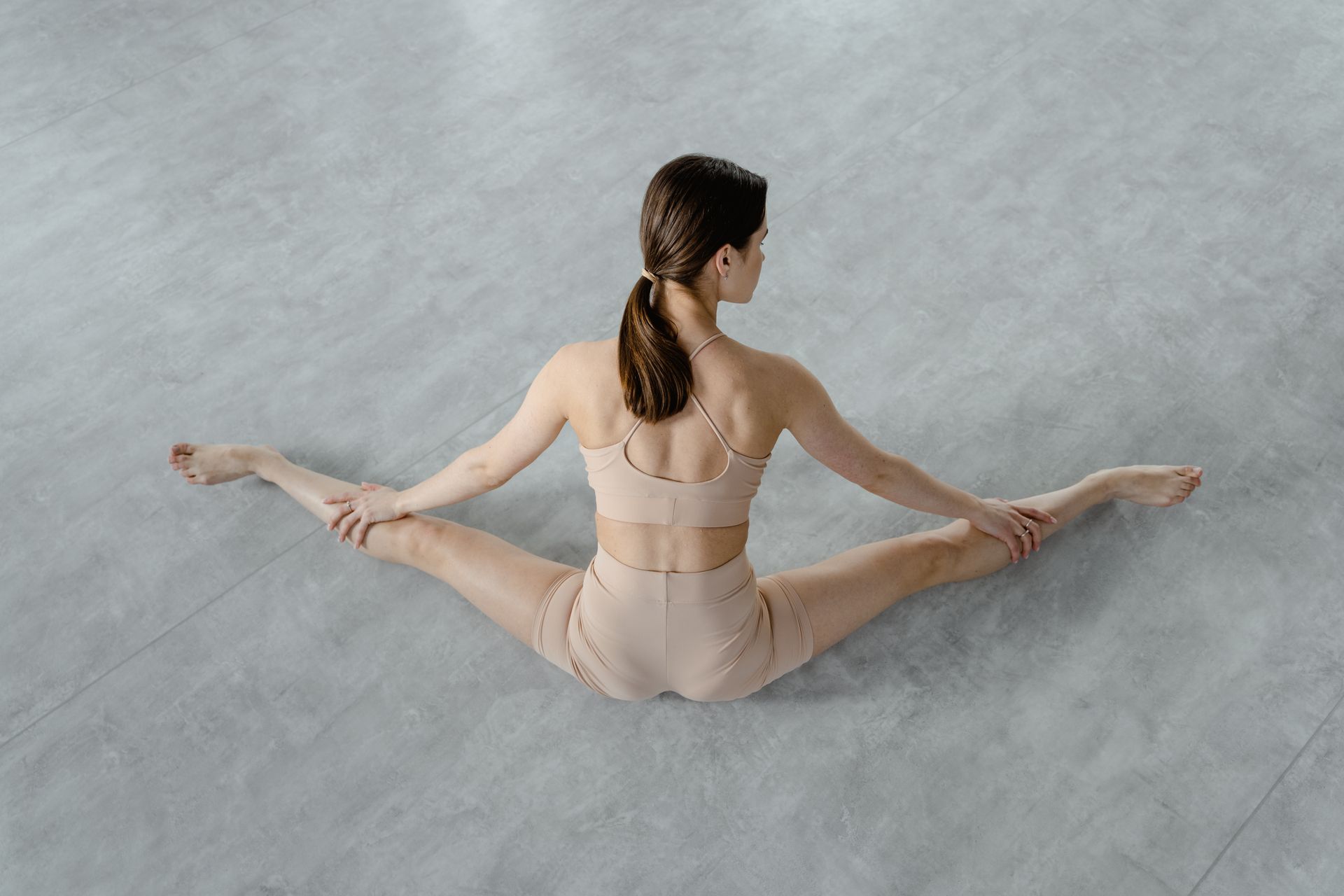
Hip stretches can help beginners work on lower-body mobility. Sit comfortably and bring one ankle toward the opposite thigh if this position feels safe. Keep your back relaxed and lean forward slightly if you feel a gentle stretch around your hip. Avoid forcing the movement or pressing on the knee.
Gentle Quadriceps Stretch
The quadriceps are the muscles at the front of your thighs. Stand near a wall or chair for balance. Bend one knee and bring your foot toward the back of your body. Hold your ankle only if you can do so comfortably. Keep your knees close together and avoid pulling the foot forcefully.
Create A Short Beginner Routine
A simple routine can include several stretches for different areas of the body. You can perform the routine after a light warm-up or at another comfortable time of day.
-
Gentle neck movements.
-
Shoulder rolls.
-
Chest stretch.
-
Upper back stretch.
-
Standing side stretch.
-
Hamstring stretch.
-
Calf stretch.
-
Gentle quadriceps stretch.
Move slowly through each exercise. Spend a comfortable amount of time on each side and avoid pushing beyond your current range of motion.
Warm Up Before Deeper Stretching
Your body may move more comfortably after a few minutes of light activity. Walk around your home, march gently in place, or perform easy movements before stretching. This can help prepare your muscles and joints. You do not need an intense warm-up. The goal is simply to get your body moving.
Stretch Regularly
Consistency can make stretching easier over time. You can stretch after waking up, during a work break, after a walk, or before bed. Choose a time that fits your routine. A short session that you repeat regularly can be easier to maintain than a long session that you rarely complete.
Avoid Common Beginner Mistakes
Beginners sometimes try to stretch too far or move too quickly. Avoid bouncing, forcing a joint, or holding your breath. Do not compare your flexibility with someone else’s. Everyone starts at a different level. Focus on gradual progress and comfortable movement instead.
If you have an injury, ongoing pain, or a medical condition that affects your movement, consider speaking with a qualified health professional before starting a new stretching routine.
Conclusion
The best stretching routines for beginners are simple, gentle, and easy to repeat. Neck, shoulder, chest, back, hip, thigh, and calf stretches can help you work on comfortable movement throughout your body. Start slowly and avoid forcing any position. With regular practice, you can gradually improve your flexibility and make stretching a useful part of your daily routine.


