




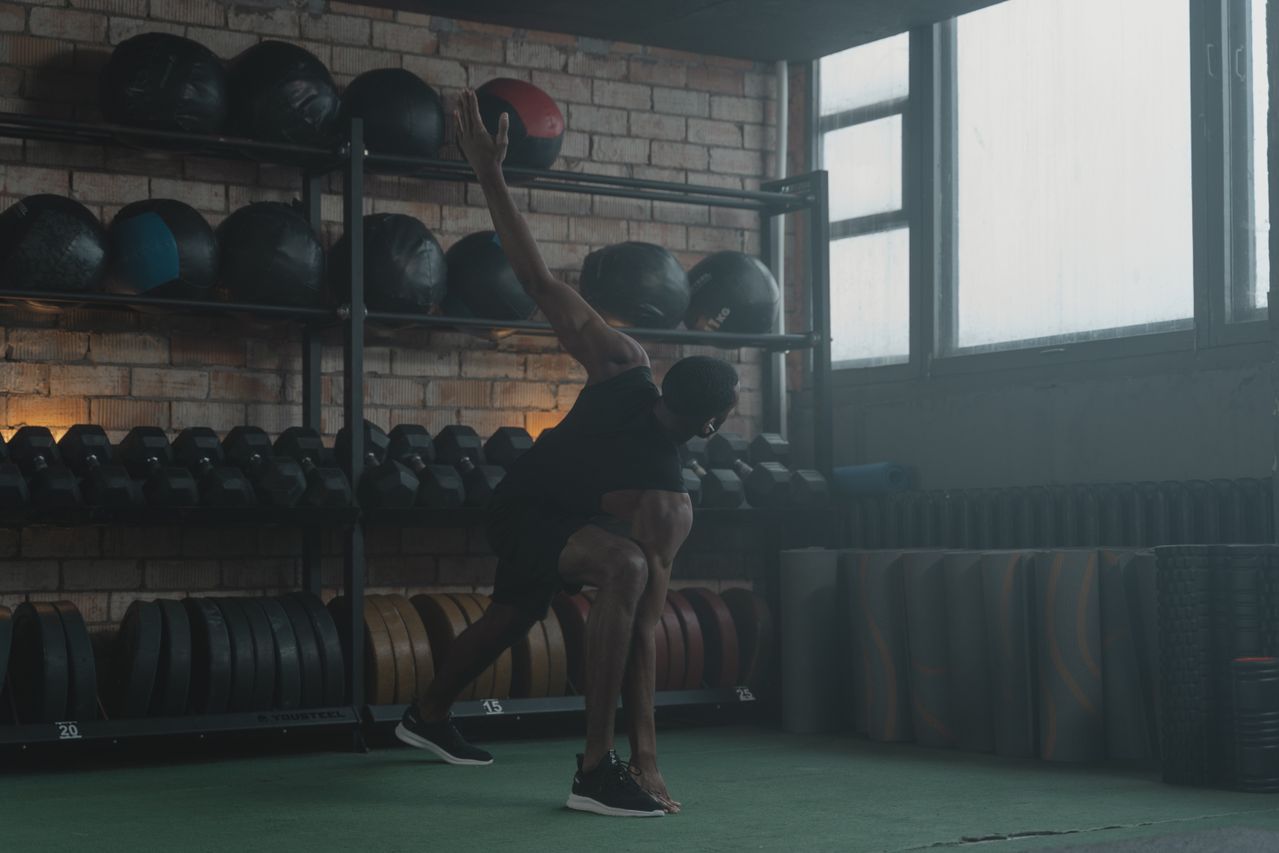
Starting a fitness routine can feel challenging, especially if you are unsure which exercises to choose or how often to train. Fortunately, full-body workouts provide a simple and effective way for beginners to build strength, improve fitness, and develop healthy exercise habits.
A full-body workout targets several major muscle groups during one session. As a result, you can train your entire body without spending hours in the gym. Whether you exercise at home or use a fitness center, the following beginner-friendly approach can help you get started safely and confidently.
Why Choose Full-Body Workouts?
Full-body workouts are ideal for beginners because they allow you to practice fundamental movements regularly. Instead of dedicating separate days to individual muscle groups, you can train your legs, upper body, core, and other major muscles during the same session.
Moreover, full-body training can be convenient for people with busy schedules. Exercising two or three times per week can provide a practical foundation without requiring daily gym visits.
However, beginners should focus on consistency and proper technique rather than trying to complete extremely difficult workouts.
Start With Bodyweight Squats
Squats are one of the best full-body workouts for beginners because they strengthen the lower body while teaching an important functional movement.
Stand with your feet approximately shoulder-width apart. Keep your chest lifted, engage your core, and slowly lower your hips as though you are sitting in a chair. Then, push through your feet to return to the starting position.
Start with 2–3 sets of 8–12 repetitions. As your strength improves, you can gradually make the exercise more challenging by adding resistance.
Add Push-Ups
Push-ups primarily work the chest, shoulders, and arms while also requiring your core to remain stable.
If standard push-ups feel too difficult, begin with an easier variation. You can perform them against a wall or with your hands elevated on a sturdy surface. Once you become stronger, gradually progress toward traditional floor push-ups.
Aim for 2–3 sets of 6–12 controlled repetitions, depending on your fitness level.
Try Glute Bridges
Glute bridges are an excellent beginner exercise for strengthening the glutes and supporting the muscles around the hips.
Lie on your back with your knees bent and your feet flat on the floor. Keep your arms beside your body. Then, squeeze your glutes and raise your hips until your body forms a comfortable straight line from your shoulders toward your knees. Lower your hips slowly and repeat.
Complete 2–3 sets of 10–15 repetitions.
Include a Beginner-Friendly Row
Pulling exercises are important because a balanced workout should train both pushing and pulling movements. If you have access to resistance bands or light weights, a row is a useful addition.
Keep your back in a comfortable neutral position and pull the resistance toward your body while keeping your movements controlled. Avoid using momentum to complete the exercise.
Perform 2–3 sets of 8–12 repetitions with a resistance level that allows you to maintain good technique.
Strengthen Your Core With Planks
A strong core can help you maintain stability during many other exercises. Planks are a simple way for beginners to develop core endurance.
Place your forearms on the floor and extend your legs behind you. Keep your body aligned and avoid allowing your hips to drop or rise excessively.
Start with 2–3 sets of 15–30 seconds. Gradually increase the duration as your core becomes stronger.
Finish With Light Cardio
After strength exercises, consider adding a short period of cardiovascular activity. Walking, cycling, swimming, or another low-impact activity can help improve endurance.
For beginners, even 10–20 minutes of comfortable cardio can be a useful starting point. Over time, you can gradually increase the duration or intensity.
Additionally, choose activities you enjoy. You are more likely to remain consistent when exercise feels manageable and enjoyable.
Give Your Body Time to Recover
Recovery is just as important as training. Beginners often feel tempted to exercise every day, but your body needs time to adapt to new physical demands.
Allow rest or lighter activity between challenging full-body sessions. Get adequate sleep, stay hydrated, and eat a balanced diet to support your training.
If you experience unusual or persistent pain, stop the exercise and seek appropriate professional advice.
Create a Simple Weekly Routine
A beginner could perform a full-body workout two or three times per week, with recovery days between sessions.
For example:
-
Monday: Full-body workout
-
Tuesday: Rest or light walking
-
Wednesday: Full-body workout
-
Thursday: Rest
-
Friday: Full-body workout
-
Saturday: Optional light cardio
-
Sunday: Rest
This schedule provides regular training while giving your muscles time to recover.
Focus on Consistency
The best full-body workouts for beginners are not necessarily the hardest ones. Instead, they are workouts that you can perform consistently while maintaining good technique.
Start with manageable exercises, learn the correct movement patterns, and gradually increase the challenge. Most importantly, be patient with your progress.
With regular training, proper recovery, and realistic expectations, full-body workouts can help you develop strength, endurance, confidence, and long-term fitness habits.
