




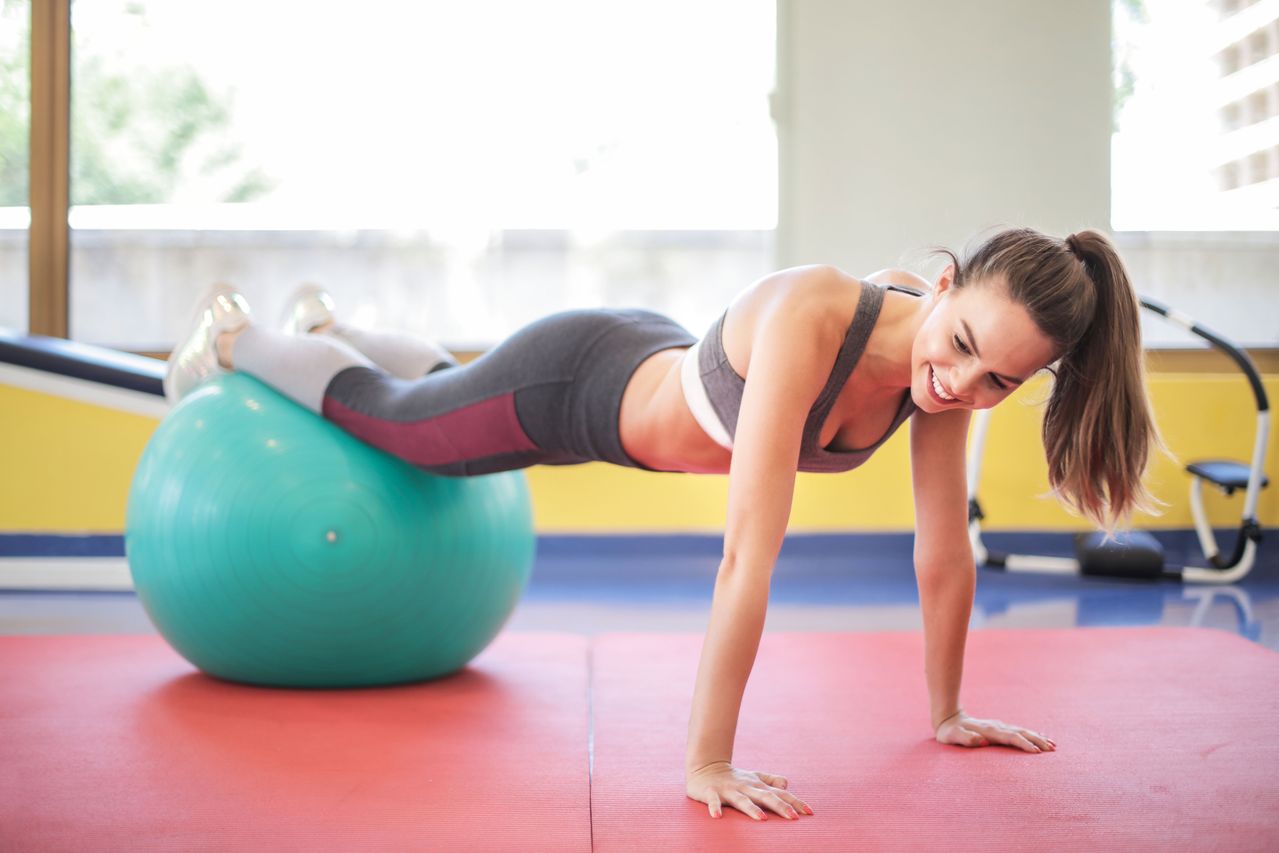
A strong and stable core plays an important role in everyday movement, exercise, balance, and posture. Your core includes more than your abdominal muscles. It involves muscles around your abdomen, back, pelvis, and hips that work together to stabilize your body.
Fortunately, you do not need complicated equipment to strengthen your core. With consistent training and proper technique, exercises such as planks, dead bugs, bird dogs, and bridges can help develop better stability and control.
Why Core Strength Matters
Your core helps stabilize your body while you move. A strong core can make everyday activities such as lifting, walking, bending, and carrying feel more controlled.
Furthermore, core stability supports many other exercises. When your torso remains stable, you can perform movements such as squats, lunges, presses, and rows with better control.
However, effective core training is not simply about doing hundreds of crunches. A balanced routine should challenge your core to resist movement, maintain stability, and coordinate with the rest of your body.
Planks
Planks are among the best exercises for core strength and stability because they require your abdominal and supporting muscles to maintain a stable body position.
Start by placing your forearms on the floor and extending your legs behind you. Keep your body aligned and engage your core while breathing normally.
Beginners can start with 15–30 seconds for two or three sets. As your strength improves, gradually increase the duration.
Focus on maintaining good alignment rather than holding the plank for as long as possible.
Dead Bugs
Dead bugs are an excellent beginner-friendly exercise for developing core control. They teach you to stabilize your torso while moving your arms and legs.
Lie on your back with your arms raised and knees bent. Slowly extend one arm and the opposite leg while keeping your lower back comfortably controlled. Return to the starting position and switch sides.
Perform 8–12 repetitions per side for two or three sets.
Move slowly and avoid rushing the exercise. Control is more important than speed.
Bird Dogs
Bird dogs challenge your core while also developing balance and coordination.
Start on your hands and knees. Slowly extend one arm and the opposite leg while keeping your torso stable. Hold briefly, then return to the starting position and switch sides.
Perform 8–12 repetitions per side.
Avoid rotating your hips or lifting your leg higher than you can control. The goal is to maintain stability throughout the movement.
Glute Bridges
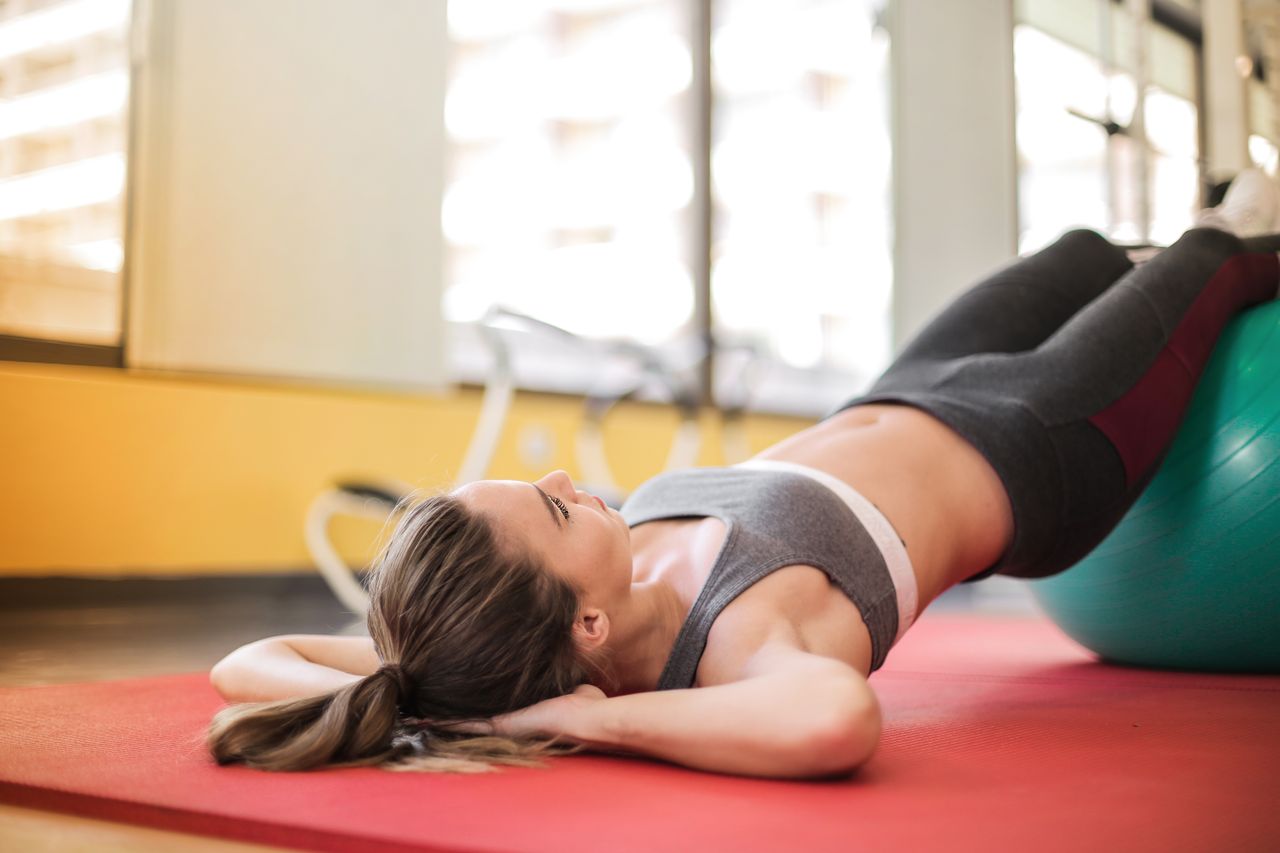
Glute bridges strengthen the glutes and muscles around the hips while also requiring core stability.
Lie on your back with your knees bent and your feet flat on the floor. Keep your arms beside your body. Engage your core, squeeze your glutes, and raise your hips in a controlled manner.
Pause briefly at the top before lowering your hips.
Complete 10–15 repetitions for two or three sets. As you improve, you can progress to more challenging variations.
Side Planks
Side planks target the muscles responsible for lateral stability, including muscles along the sides of your torso.
Lie on your side and support yourself with your forearm. Lift your hips while keeping your body aligned. Hold the position while maintaining controlled breathing.
Beginners can modify the exercise by keeping their lower knee on the floor.
Start with 10–20 seconds per side and gradually increase the duration as your stability improves.
Mountain Climbers
Mountain climbers combine core stability with movement and cardiovascular conditioning.
Begin in a high plank position. Bring one knee toward your chest, return it, and then alternate with the other leg.
Start slowly so you can maintain good control. As your fitness improves, you can gradually increase the pace.
Although mountain climbers can raise your heart rate, maintaining a stable torso should remain your priority.
Pallof Press
If you have access to a resistance band or cable machine, the Pallof press is another useful core exercise. It challenges your core to resist rotation.
Attach a resistance band securely at approximately chest height. Stand sideways to the anchor point and hold the band with both hands. Bring your hands toward your chest, then press them forward while resisting the band’s pull.
Perform 8–12 repetitions per side.
Use controlled movements and choose a resistance that allows you to maintain stable posture.
Build a Simple Core Routine
You do not need to perform every core exercise in one session. Instead, choose three or four movements that challenge different aspects of stability.
For example:
-
Plank: 20–30 seconds
-
Dead bugs: 10 repetitions per side
-
Side plank: 15–20 seconds per side
-
Bird dogs: 10 repetitions per side
Complete two or three rounds, depending on your fitness level.
You can perform this routine two or three times per week alongside your regular strength or fitness program.
Focus on Technique and Progression
Core exercises are most effective when you perform them with control. Avoid rushing through repetitions simply to increase your numbers.
As the exercises become easier, gradually increase the duration, repetitions, resistance, or difficulty. However, do not progress if you cannot maintain proper technique.
Additionally, remember that core strength develops through a combination of training, recovery, and consistent practice.
Support Your Core With Full-Body Training
Although dedicated core exercises are useful, compound movements also challenge your core. Squats, lunges, rows, presses, and carries require your torso to remain stable while other parts of your body move.
Therefore, include core exercises as part of a balanced fitness program rather than treating them as your entire workout.
Ultimately, the best exercises for core strength and stability are those that challenge your muscles while allowing you to maintain controlled movement. By combining planks, dead bugs, bird dogs, bridges, side planks, and other suitable exercises, you can develop a stronger and more stable core over time.
