




Core stability helps your body stay controlled during exercise and everyday movement. A strong and stable core can support your posture, balance, and ability to move with confidence. In this article, we discuss the best core exercises for stability and simple ways to include them in your workout routine. You do not need advanced equipment to begin. Simple exercises performed with good form can help train the muscles around your stomach, hips, and lower back.
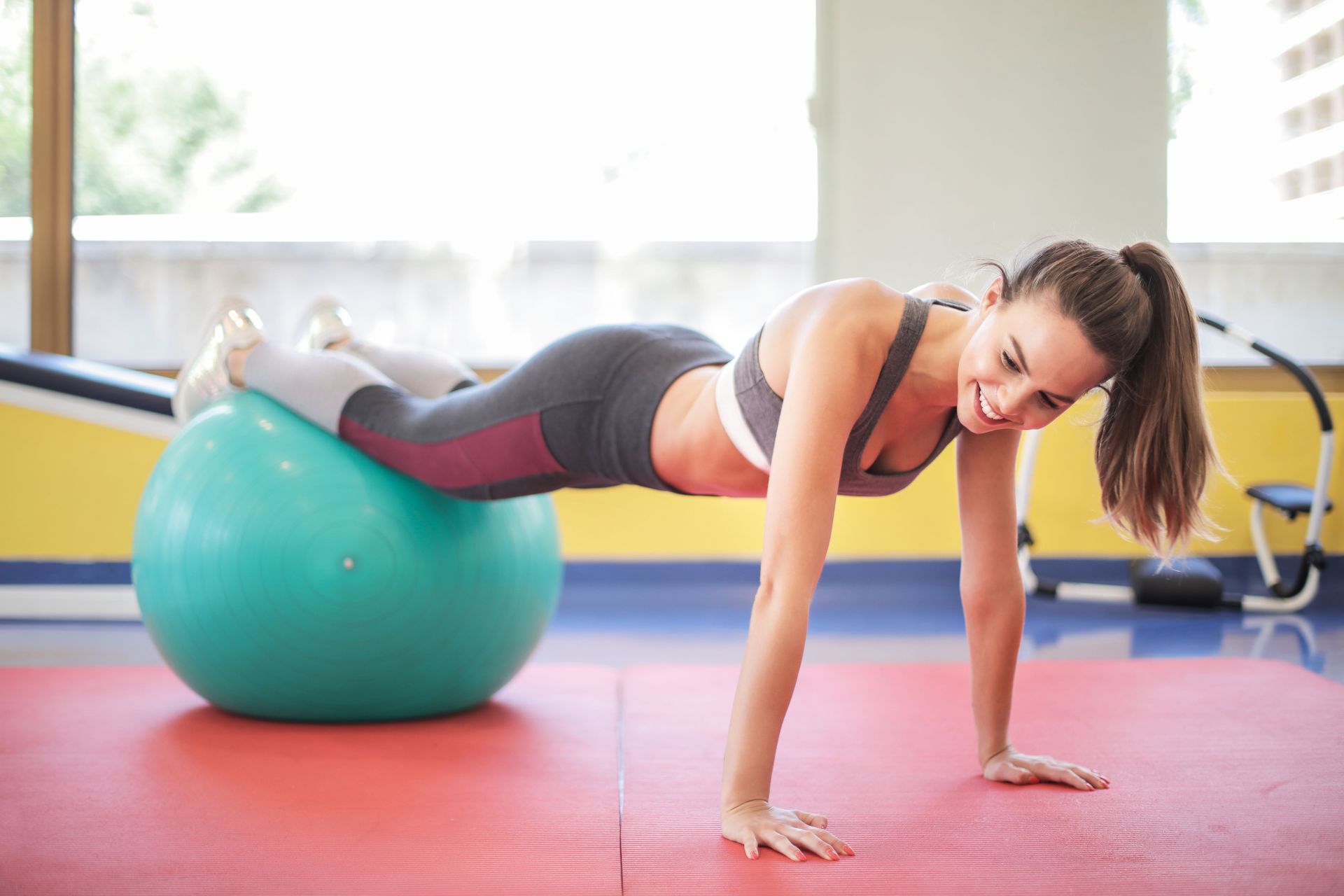
Simple Core Exercises For Stability And Better Control
Core training is not only about doing many sit-ups. Stability exercises teach your core muscles to keep your body steady while your arms and legs move. Start with simple movements that you can perform comfortably and increase the challenge as your control improves.
Plank
The plank is a simple exercise that challenges several core muscles at once. Start with your hands or forearms on the floor and keep your body in a straight line. Tighten your core and avoid allowing your hips to drop or rise too much.
Beginners can hold the position for a short period and rest before repeating it. As your strength improves, you can gradually increase the holding time.
Bird-Dog
The bird-dog exercise trains your core while also challenging balance and coordination. Start on your hands and knees, then slowly extend one arm and the opposite leg. Keep your back steady and return to the starting position with control.
Focus on keeping your hips level rather than trying to lift your arm and leg as high as possible. Move slowly and repeat on both sides.
Dead Bug
The dead bug can help you practice keeping your core stable while your arms and legs move. Lie on your back with your knees bent and arms raised. Slowly lower one arm and the opposite leg while keeping your lower back controlled.
Return to the starting position and switch sides. If the movement feels difficult, make the range of motion smaller.
Glute Bridge
Glute bridges can strengthen the hips and support core stability. Lie on your back with your knees bent and feet flat on the floor. Lift your hips slowly, pause briefly, and then lower them with control.
Keep your movements smooth and avoid pushing your hips too high. Focus on using your hips and maintaining a stable body position.
Side Plank
The side plank works the muscles along the side of your core. Start on one side with your elbow under your shoulder and lift your hips while keeping your body aligned.
Beginners can place their lower knee on the floor for extra support. As you become stronger, you can straighten both legs and hold the position for longer.
Pallof Press
The Pallof press uses resistance to challenge your ability to keep your torso stable. Stand with a resistance band secured safely to one side. Hold the band near your chest and slowly press your hands forward without allowing your body to rotate.
Return your hands to your chest and repeat. Keep the resistance manageable and focus on staying steady.
Step-Ups
Step-ups can challenge your core while also working your legs and improving balance. Stand in front of a stable step and place one foot on it. Push through the raised foot to step up, then carefully return to the floor.
Use a low step when starting. Keep your movements controlled and use support if you need help with balance.
How To Create A Simple Core Routine
You can combine several exercises into a short routine. Choose movements that challenge different parts of your core and focus on control rather than speed.
A simple routine could include:
-
15 to 30 seconds of plank.
-
6 to 10 bird-dog repetitions on each side.
-
6 to 10 dead bug repetitions on each side.
-
8 to 12 glute bridges.
-
15 to 30 seconds of side plank on each side.
-
8 to 12 controlled step-ups on each side.
Rest between exercises when needed. You can complete one or two rounds when starting and gradually increase the workload as your fitness improves.
Focus On Proper Form
Good technique is important for core exercises. Avoid holding your breath or rushing through movements. Keep your body controlled and stop when you can no longer maintain good form.
If an exercise feels too difficult, use an easier version. Quality movement is more useful than completing a large number of repetitions with poor control.
Progress Gradually
As your stability improves, you can increase the challenge in small ways. You might hold a plank for a little longer, perform more controlled repetitions, or use a suitable resistance band.
Do not make several changes at once. Give your body time to adjust before adding another challenge.
Allow Time For Recovery
Core muscles also need recovery after demanding workouts. You do not need to train your core intensely every day. Include rest or lighter activity between challenging sessions.
A balanced routine that includes strength, cardio, mobility, and rest can support overall fitness.
Listen To Your Body
Core exercises should feel challenging but controlled. Stop if you experience sharp pain, dizziness, chest discomfort, or unusual shortness of breath. If you have an injury, medical condition, or other health concern, speak with an appropriate health professional before starting a new exercise routine.
Conclusion
The best core exercises for stability include planks, bird-dogs, dead bugs, glute bridges, side planks, Pallof presses, and controlled step-ups. These movements can help train your core to stay stable while your body moves. Start with simple versions, focus on proper form, and increase the challenge gradually. With regular practice and enough recovery, core stability can support better balance, posture, and control during exercise and everyday activities.
