




Building full-body strength does not require dozens of exercises. Instead, you can focus on compound movements that train multiple muscle groups at the same time. These exercises help you develop strength efficiently while improving coordination, balance, and movement control.
Whether you train at home or in a gym, compound exercises can form the foundation of an effective strength program. By learning proper technique, choosing appropriate resistance, and progressing gradually, you can build a stronger and more capable body.
What Are Compound Exercises?
Compound exercises involve multiple joints and muscle groups during a single movement. Unlike isolation exercises, which generally target one primary muscle group, compound movements allow several muscles to work together.
For example, a squat trains the legs and hips while also requiring your core to stabilize your body. Similarly, a row works the back and arms while challenging your torso to remain stable.
Because they train multiple areas simultaneously, compound exercises can make workouts more efficient.
Squats
Squats are one of the best compound exercises for full-body strength. They primarily train the quadriceps, hamstrings, glutes, and hips while requiring your core to stabilize your torso.
Beginners can start with bodyweight squats. As your technique improves, you can progress to goblet squats, dumbbell squats, or barbell variations.
Focus on controlled movement and maintain a comfortable range of motion. Choose resistance that allows you to perform each repetition with good technique.
Deadlift Variations
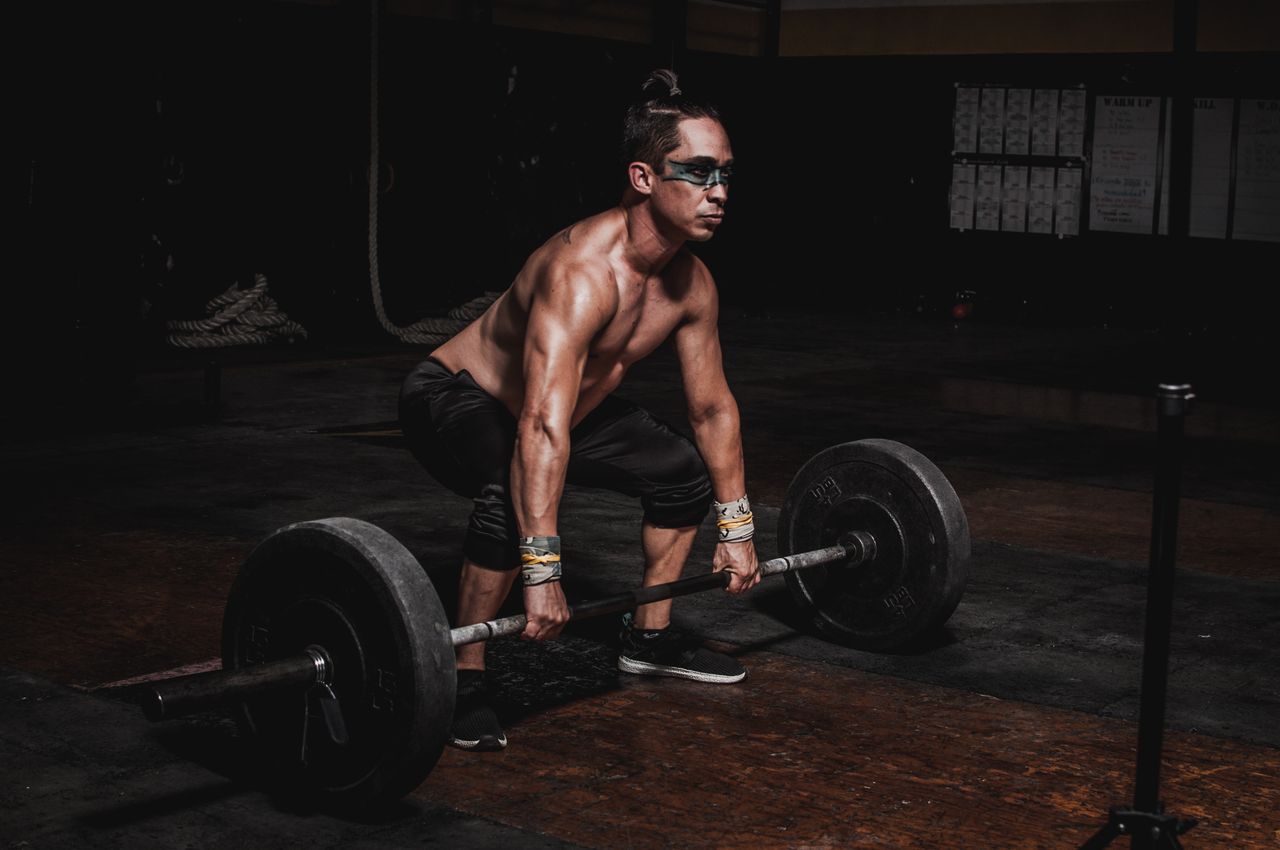
Deadlift variations strengthen the posterior chain, including the glutes, hamstrings, and back. They also teach an important hip-hinge movement pattern.
Beginners can practice the hip hinge with little or no weight before progressing to a suitable deadlift variation.
Keep the movement controlled and avoid using excessive weight. If you are unfamiliar with deadlift technique, consider getting guidance from a qualified fitness professional.
Push-Ups
Push-ups are a highly accessible compound exercise that trains the chest, shoulders, arms, and core. Because they require no equipment, you can perform them almost anywhere.
If standard push-ups are too challenging, start with wall or elevated push-ups. As you become stronger, gradually progress toward floor push-ups and more demanding variations.
Keep your body controlled throughout the movement rather than rushing through repetitions.
Rows
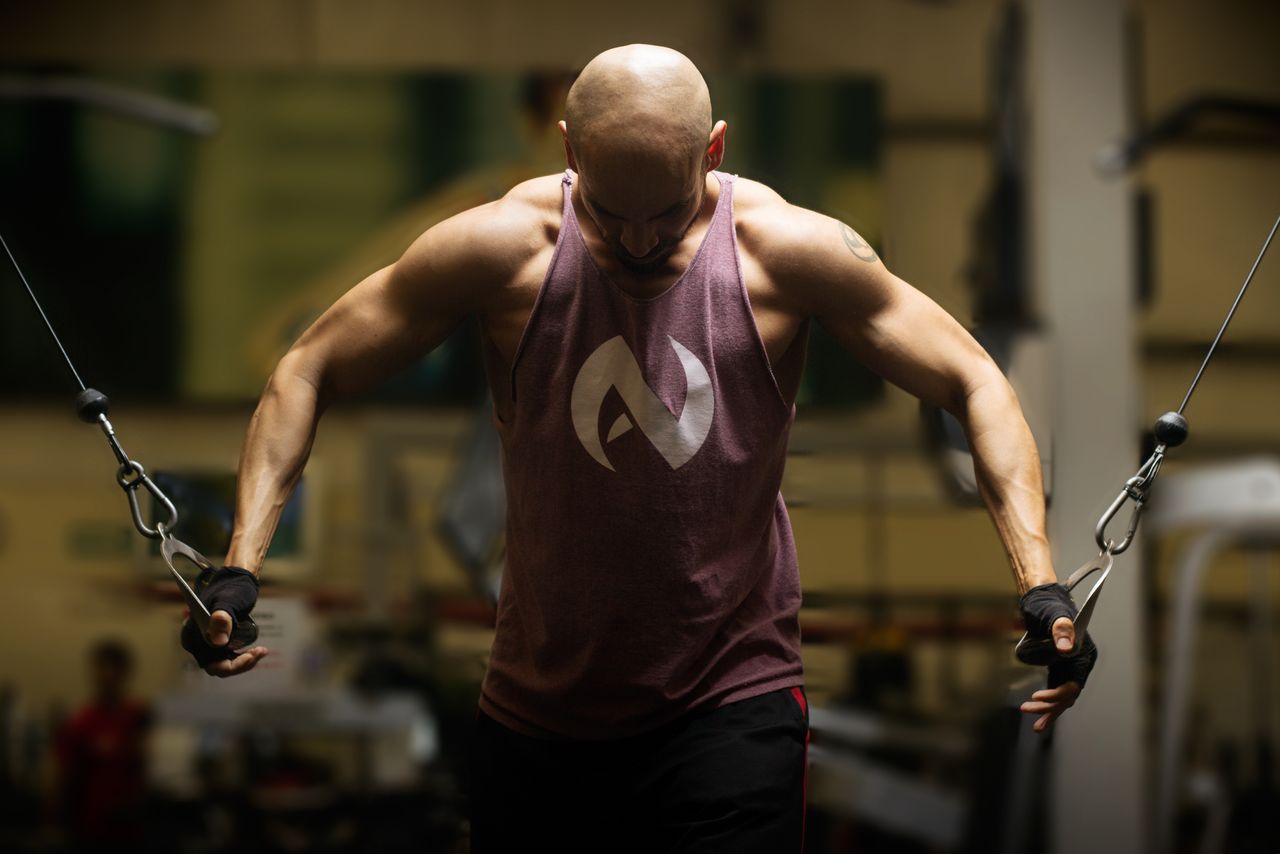
Rows train the muscles of the upper and middle back while also involving the arms and rear shoulders. They provide an important pulling movement to balance pressing exercises.
You can perform rows with dumbbells, resistance bands, cables, or other suitable equipment.
Keep your torso stable and pull the resistance toward your body in a controlled manner. Avoid using excessive momentum to complete repetitions.
Overhead Presses
Overhead presses strengthen the shoulders and arms while also challenging the core and other stabilizing muscles.
You can perform this exercise with dumbbells, resistance bands, or a barbell, depending on your experience and equipment.
Start with a manageable resistance and maintain a stable posture. Avoid arching your lower back excessively as you press the weight overhead.
Lunges
Lunges train the legs and glutes while also challenging balance and coordination. Because each leg works independently, they can help develop control and stability.
Beginners can start with stationary or reverse lunges before progressing to walking lunges or weighted variations.
Keep your movements controlled and use a stable support if necessary while learning the exercise.
Pull-Ups
Pull-ups are a challenging compound exercise that primarily trains the back and arms while requiring significant core control.
If you cannot perform a full pull-up yet, use assisted variations, resistance bands, or other suitable progressions.
Focus on controlled movement rather than swinging your body. Gradually build the strength needed to perform the exercise independently.
Farmer’s Carries
Farmer’s carries are simple but effective for developing full-body strength and stability. They involve walking while holding weights at your sides.
The exercise challenges your grip, shoulders, core, hips, and legs. It also encourages you to maintain good posture while moving under load.
Start with manageable weights and walk for a controlled distance. Increase the resistance or distance gradually as your strength improves.
Build a Full-Body Workout
You do not need to perform every compound exercise in one session. Instead, select movements that cover different movement patterns.
A simple beginner routine could include:
-
Squats: 2–3 sets of 8–12 repetitions
-
Push-ups: 2–3 sets of 6–12 repetitions
-
Dumbbell rows: 2–3 sets of 8–12 repetitions per side
-
Glute bridges or a light hip-hinge exercise: 2–3 sets of 10–15 repetitions
-
Reverse lunges: 2 sets of 8–10 repetitions per leg
-
Farmer’s carries: 2–3 controlled walks
Rest as needed between sets and prioritize proper technique.
Use Progressive Overload
Once your exercises become easier, gradually increase the training challenge. You can add resistance, perform more repetitions, increase the number of sets, or progress to a more demanding variation.
However, do not increase the difficulty so quickly that your technique suffers. Consistent, gradual progression is more sustainable than constantly attempting maximum efforts.
Prioritize Recovery
Compound exercises can place significant demands on multiple muscle groups. Therefore, recovery should be an important part of your training plan.
Allow adequate time between demanding full-body sessions and prioritize sleep, hydration, and balanced nutrition. If your performance consistently declines or you experience unusual fatigue, consider reducing your training load.
Focus on Technique
The effectiveness of compound exercises depends heavily on good movement quality. Before adding significant resistance, learn how to perform each movement correctly.
Start with bodyweight or light resistance and practice controlled repetitions. If you are uncertain about technique, working with a qualified fitness professional can help you learn appropriate movement patterns.
Stay Consistent
The best compound exercises for full-body strength are those you can perform safely and consistently. Squats, deadlift variations, push-ups, rows, presses, lunges, pull-ups, and carries can provide a strong foundation for a balanced program.
Rather than constantly changing exercises, give your body time to adapt and track your performance over several weeks. With proper technique, progressive overload, adequate recovery, and consistent training, compound exercises can help you build impressive full-body strength over time.
