



Starting an exercise routine can feel challenging when you are unsure which exercises to choose, how often to train, or how much intensity you need. Fortunately, beginners do not need complicated programs to improve their fitness. A simple, structured routine can help you build strength, improve endurance, increase confidence, and develop healthy exercise habits.
The best beginner exercise programs focus on consistency, proper technique, gradual progress, and adequate recovery. Whether you prefer exercising at home, walking outdoors, or training at a gym, there is a beginner-friendly program that can fit your lifestyle.
Full-Body Strength Training
Full-body strength training is one of the best beginner exercise programs because it targets several major muscle groups during each session. It also allows beginners to practice fundamental movements regularly.
A simple workout can include:
-
Bodyweight squats
-
Push-ups or wall push-ups
-
Glute bridges
-
Lunges
-
Resistance-band rows
-
Planks
Start with two or three sessions per week. Perform approximately two or three sets of each exercise, using a number of repetitions that allows you to maintain good form.
As your strength improves, gradually increase repetitions or resistance.
Walking Fitness Program
Walking is an excellent starting point for people who are new to exercise. It requires minimal equipment, can be performed almost anywhere, and allows you to control the intensity.
Begin with 15–20 minutes of comfortable walking several times per week. Once this becomes easier, gradually increase the duration or pace.
For example, you could progress from a relaxed walk to a brisk walk. You can also add short periods of faster walking to make your sessions more challenging.
Most importantly, choose a pace that feels manageable and increase your activity gradually.
Beginner Cardio Program
If you want to improve your cardiovascular fitness, a beginner cardio program can provide a structured way to build endurance.
Start with activities such as cycling, swimming, brisk walking, or low-impact aerobic exercises. Aim for approximately 20–30 minutes per session, two or three times per week.
Initially, keep the intensity moderate. You should be able to exercise without feeling completely exhausted. Over time, you can gradually increase the duration or intensity as your fitness improves.
Home Bodyweight Program
You do not need a gym membership to begin exercising. A home bodyweight program can help you develop strength while keeping your routine simple.
Try a circuit containing:
-
10–15 squats
-
6–12 push-ups using an appropriate variation
-
8–12 reverse lunges per leg
-
10–15 glute bridges
-
8–12 bird dogs per side
-
15–30 seconds of planking
Complete one or two rounds initially. As you become more comfortable, increase the number of rounds.
Furthermore, bodyweight exercises are easy to modify. For example, beginners can perform push-ups against a wall before progressing to elevated or floor push-ups.
Beginner Gym Program
If you prefer training at a gym, start with a simple full-body program rather than trying to use every machine.
A beginner gym session might include a leg exercise, a pushing exercise, a pulling exercise, a hip-focused movement, and a core exercise.
For example, you could use a leg press, chest press, seated row, hip bridge, and plank. Choose manageable resistance and concentrate on learning the correct movement patterns.
If you are unfamiliar with gym equipment, consider asking a qualified fitness professional to show you how to use it safely.

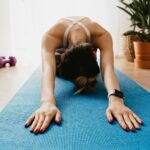
Beginner Flexibility and Mobility Program
Strength and cardio are important, but mobility also deserves attention. A simple mobility routine can help you move comfortably and prepare your body for other forms of exercise.
Include gentle movements for areas such as the shoulders, hips, ankles, and upper back. You can perform these exercises for 5–10 minutes before workouts or during lighter recovery days.
However, avoid forcing your joints into uncomfortable positions. Controlled, comfortable movement is more important than trying to achieve extreme flexibility.
Beginner Circuit Training
Circuit training combines several exercises into one continuous workout. It can provide an efficient way to develop strength and cardiovascular fitness at the same time.
Choose four to six simple exercises. Perform each exercise for a set number of repetitions or a short period, then move to the next exercise.
For example, a beginner circuit could include squats, wall push-ups, marching in place, glute bridges, and bird dogs.
Rest between exercises when necessary. As your fitness improves, you can gradually increase the work period or reduce unnecessary rest.
Create a Weekly Routine
Whatever program you choose, organize your workouts into a realistic weekly schedule. Beginners should not feel pressured to exercise intensely every day.
A simple schedule might look like this:
-
Monday: Full-body strength training
-
Tuesday: 20–30-minute walk
-
Wednesday: Rest or gentle mobility
-
Thursday: Full-body strength training
-
Friday: Light cardio
-
Saturday: Optional recreational activity
-
Sunday: Rest
This approach provides variety while allowing enough recovery between demanding sessions.
Progress Gradually
One of the most important principles for beginners is gradual progression. Your body needs time to adapt to exercise, so avoid increasing the difficulty too quickly.
You can progress by adding repetitions, increasing resistance, extending your walking time, or choosing a slightly more challenging exercise variation.
However, proper technique should remain your priority. If increasing the difficulty causes your form to break down, reduce the challenge and focus on performing the movement correctly.
Make Exercise a Habit
The best beginner exercise program is one you can maintain. Choose activities that fit your schedule and that you genuinely enjoy.
Do not worry if your first workouts feel difficult. Fitness develops over time, and small improvements can eventually add up to significant progress.
Ultimately, the best beginner exercise programs to try are simple, balanced, and sustainable. Whether you choose walking, home workouts, strength training, cardio, or a combination of activities, focus on consistency and gradual improvement. With realistic goals and adequate recovery, you can build a strong foundation for a healthier and more active lifestyle.
